
PhonoSphere
How the phonograph moved from laboratory marvel to the centre of Canadian home life—and how records evolved from fragile cylinders to stereo vinyl.
Every artifact pictured here comes from the VinylCentric archive: either an original object or a high-resolution scan made for preservation and public access.
A voice, captured for the first time
Thomas Edison’s hand-cranked phonograph turned sound into something that could be preserved, replayed and shared. It also began the first of many battles over how recorded sound should be made.
“Mary had a little lamb…”
A young Thomas Edison presented his new recording and playback invention at the White House in 1877. The tinfoil used by the earliest machines was extremely fragile; only about twenty of those first recordings survive.
Alexander Graham Bell soon improved the design by adopting the far more durable wax cylinder. Cylinders offered better fidelity than early discs—but they were slow to manufacture and held only one recording.
The record becomes a mass medium
Shellac 78 RPM discs could be stamped in seconds and played on both sides. They became the worldwide standard for half a century, despite being heavy, fragile and short.
Big bands, crooners and bobby-soxers
By the 1930s and 1940s, recorded music was dominated by big bands, crooners and large orchestras. Teenagers became a powerful force in live music and record sales, making and breaking stars.
Home dancing was enormously popular. Albums—packages designed to hold several 78s—made longer classical works and Broadway scores practical, while their colourful cover art helped turn recorded music into a visual culture.
Furniture first, phonograph second
Edison-style horns disappeared during the 1920s, replaced by playback systems hidden inside wooden furniture. Manufacturers aimed their marketing squarely at the person expected to manage the home décor: the woman of the household.
The message was consistent—the machine must sound good, but it also had to belong in the room.
Columbia changes the record
The Long Playing record combined quiet vinyl, fine microgrooves and a lightweight tonearm. Twenty-two minutes of music could now fit on each side of a twelve-inch disc.
Jaws dropped.
In June 1948, Columbia unveiled an entirely new record system. The vinyl LP offered excellent fidelity with far less surface noise, played at 33⅓ RPM and used a tonearm gentle enough not to destroy its delicate grooves.
Dr. Peter Goldmark led the development team. Columbia mass-produced an inexpensive player attachment and put it on sale in time for Christmas. By the end of 1948, the company reported sales of 1,250,000 LPs.
The War of the Speeds
RCA Victor rejected Columbia’s offer and answered the LP with a competing system: the colourful, compact 45 RPM single and a fast-changing player.
33⅓ versus 45
RCA brought its art department and marketing force to the new format. The 45s were colour-coded, fun and easy to use. Soon they were “sweeping the nation.”
Consumers were less delighted. They paused their purchases while the two giants fought. Third-party manufacturers responded with machines that could play every size and speed.
In January 1950 RCA finally brought its vast catalogue to the LP. The 45 survived and flourished for another fifty years as the natural format for pop singles, jukeboxes and radio promotion.
Stereo arrives ahead of schedule
The record companies agreed on the Westrex 45/45 stereo system—but seemed in no hurry to launch it. Sidney Frey of Audio Fidelity forced their hand.
Five hundred records changed the timetable
Frey sent stereo tape masters to Westrex, ostensibly for testing. Instead, he pressed 500 copies and distributed them to audio and record stores. The major companies were caught flat-footed and rushed their own stereo records and equipment to market.
By September 1958, most labels were releasing stereo LPs using the Westrex system—the basis of the standard still used today.
So happy. So approving.
Early stereo adapted the existing phonograph with an awkward external speaker. Larger integrated consoles quickly followed, designed to blend into the living room—or disappear into the furniture entirely.
Canadian homes were far smaller than they are today. The radio, television, mono phonograph and new stereo all competed for space. Marketing promised that sound and décor could finally live together.
A distinctly Canadian record culture
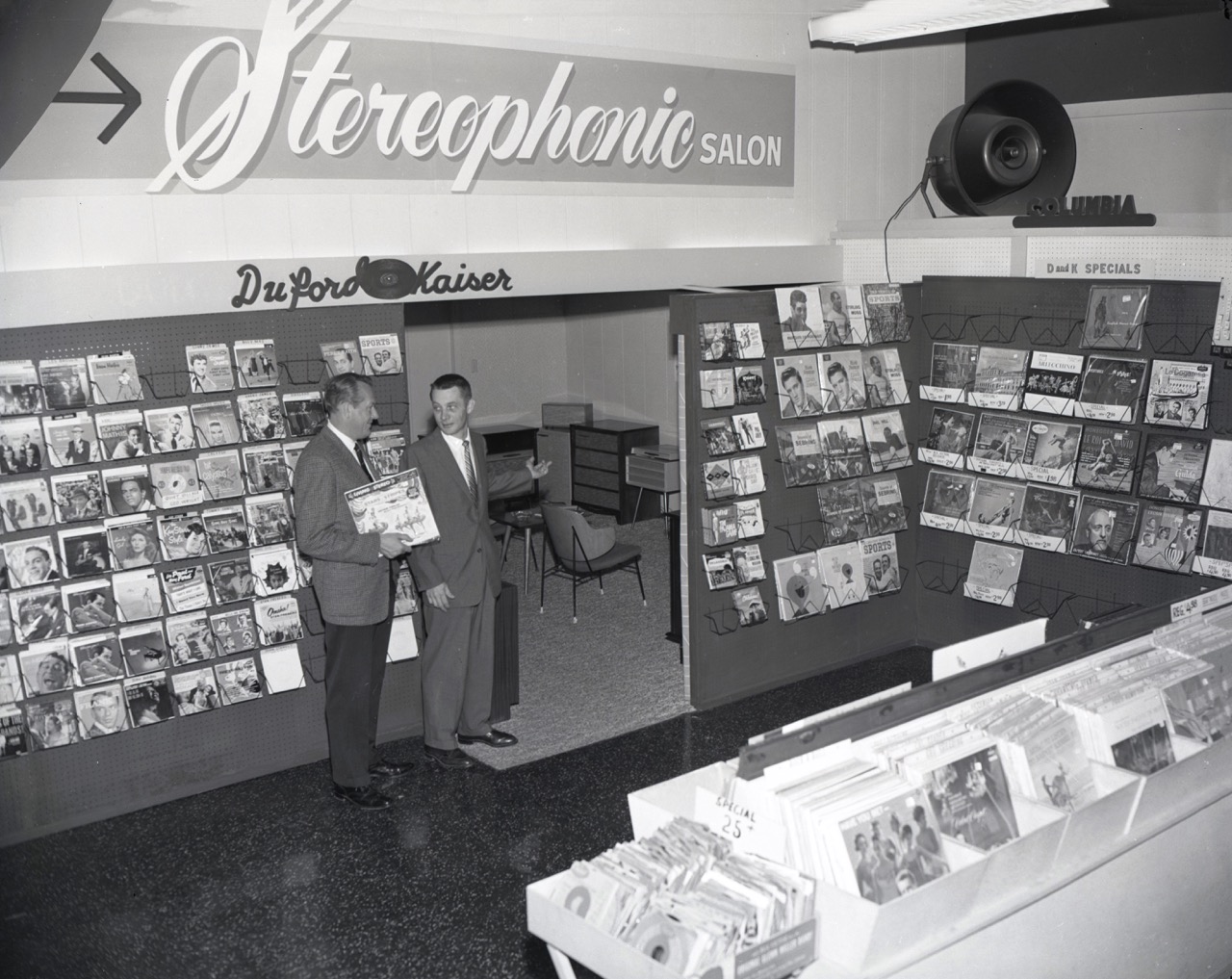
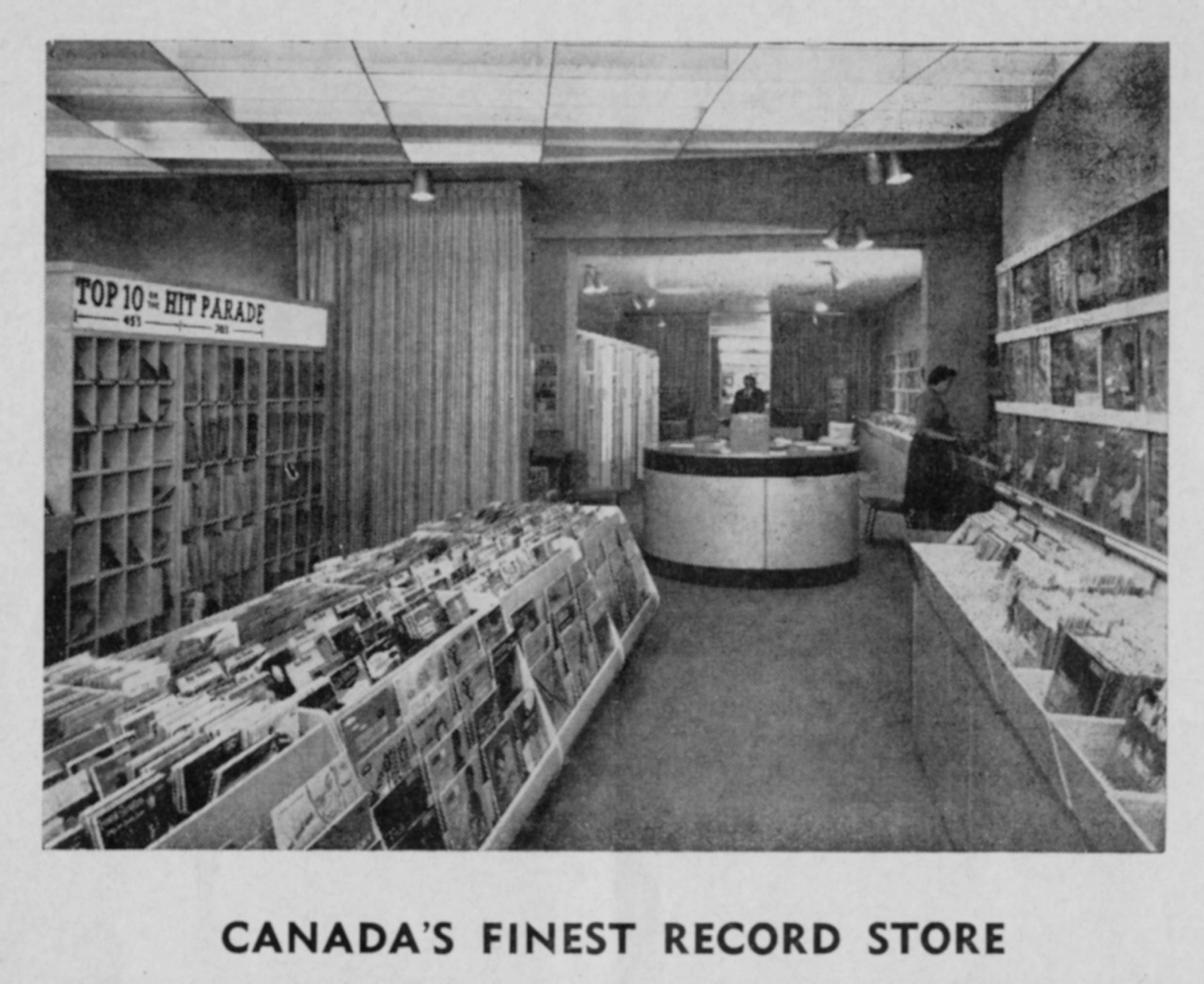
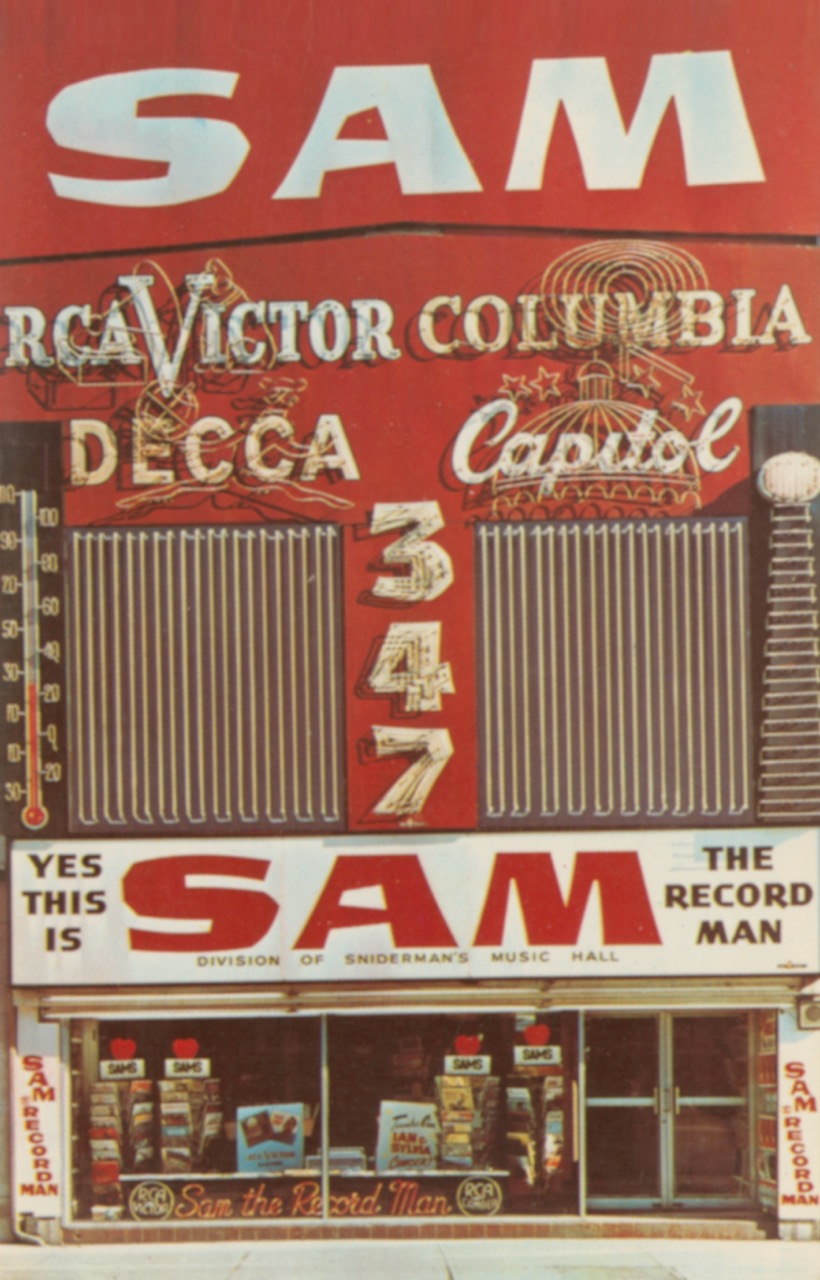
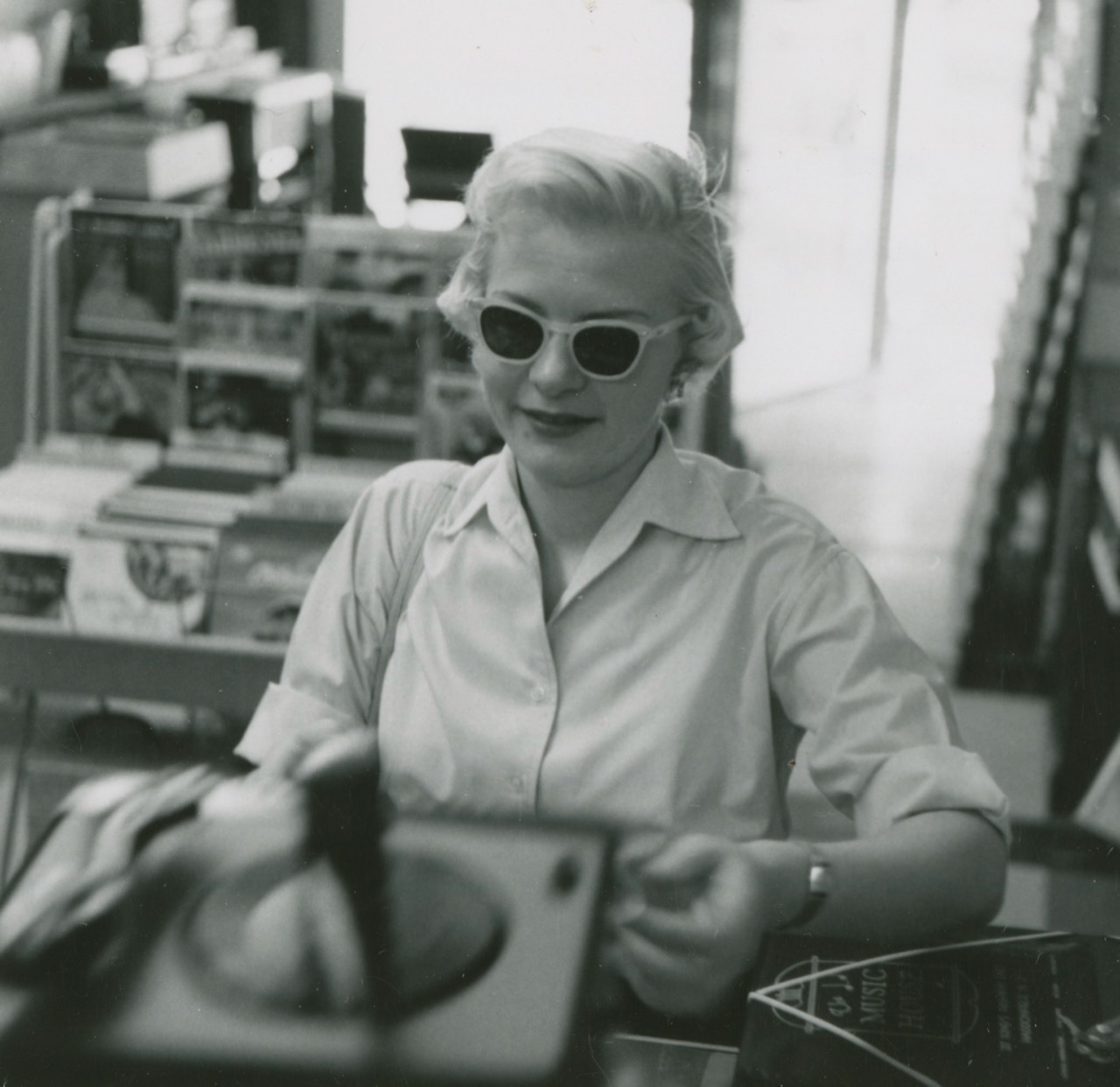
The formats were international, but the stores, labels, artists and machines built around them developed a character of their own.
From archive to public memory
VinylCentric scans and digitizes music-related artifacts for preservation, conservation and public access. The source material on this page is not stock imagery: it is drawn from the museum’s own growing archive.
That includes Canadian record stores, early independent labels, the first Canadian LP releases, and personal histories such as Alice Murphy’s 1952 encounter with Duke Ellington during a CFCF radio blood drive.
A mother’s lesson
Years later, Alice told her son Ken how controversial it had been for some people to see her draw blood from a Black man. “Intolerant of a great jazz musician?” he asked, still young and naïve. She answered only with a knowing, sad smile.
Electrohome: sound designed for Canadian rooms
Founded in Kitchener as Pollock Manufacturing, Electrohome built Canada’s first phonograph player and later became one of the country’s boldest makers of home audio.
From furniture to the Space Age
Electrohome’s consoles of the 1940s, ’50s and ’60s were designed to merge with the home. In the early 1970s, the Apollo series broke sharply with that tradition, capturing the excitement of the space race in designs aimed at younger buyers.
The company continued with the sculptural 700 Series. By 1978, however, the stereo console as finely crafted furniture was virtually extinct, displaced by component systems and overseas manufacturing.