
Hot From Harlem
Black musical revues, brilliant showmanship and Montréal nights in the 1940s and 1950s.
Talented musicians, dancers, impresarios and stage crews made the revue a true spectacle—and helped shape the path from rhythm and blues to soul, Motown and funk.
The form
The Revue Takes the Stage
A Spectacle Built From Many Traditions
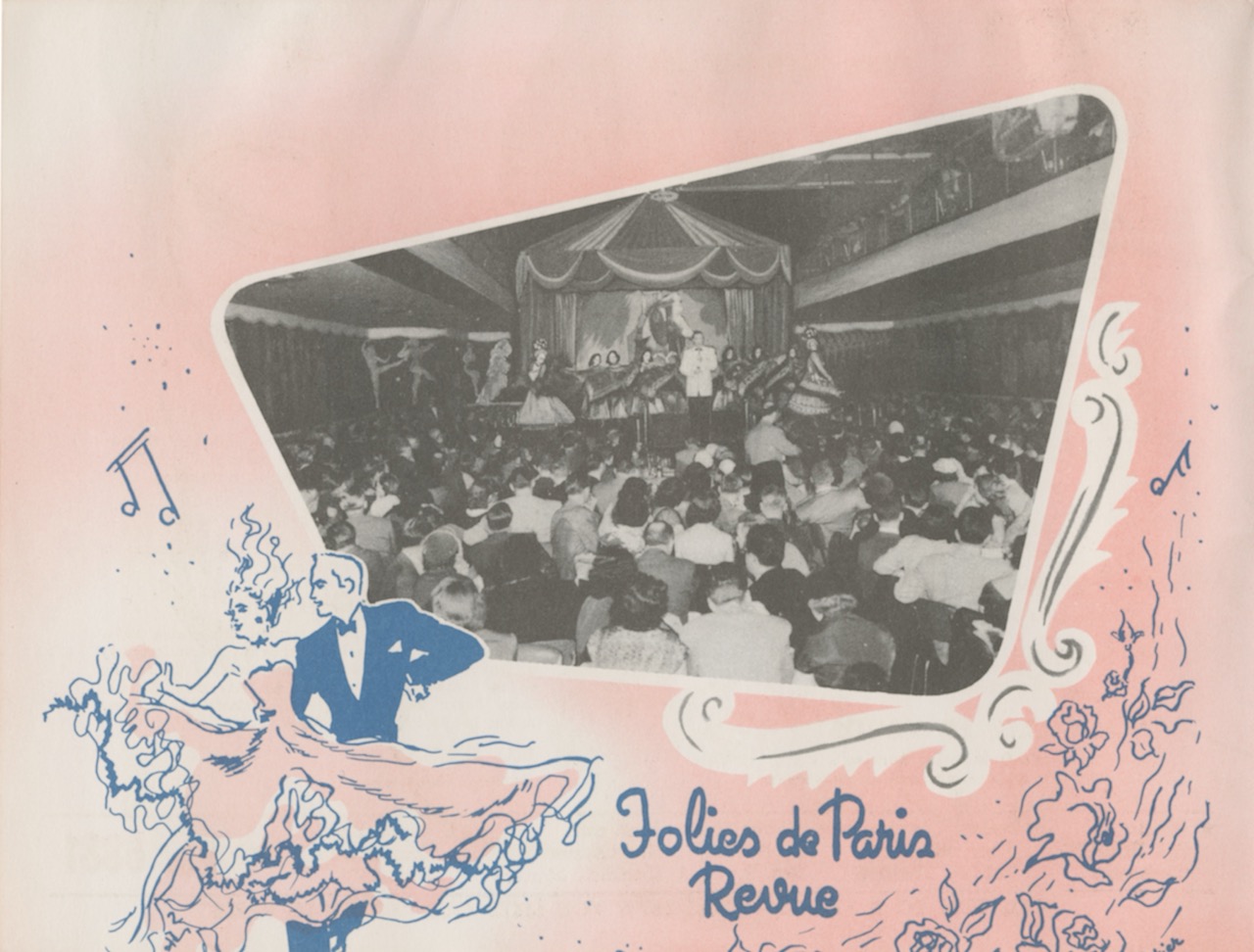
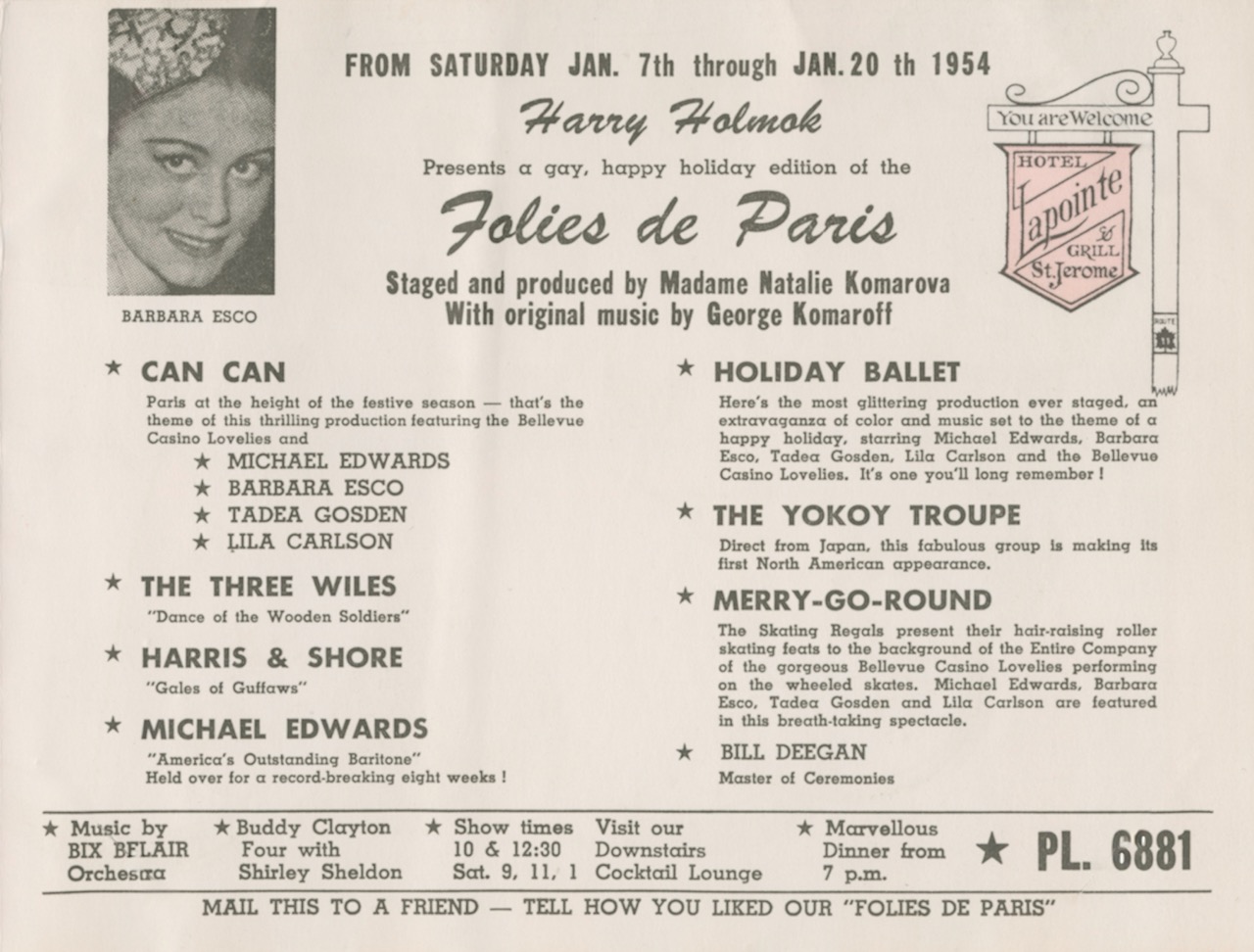
The origins of the musical revue can be traced to the late nineteenth and early twentieth centuries. Its name comes from the French word for “review.” Travelling performers created shows that reviewed local events and politics, while the form absorbed elements of vaudeville, burlesque, cabaret and theatrical extravaganzas such as the Ziegfeld Follies.
Some revues celebrated a particular theme—Country and Western “Opry-style” shows among them—but performance was always central: choreography, stage presence, flamboyant costume or formalwear, polish and showmanship were de rigueur.
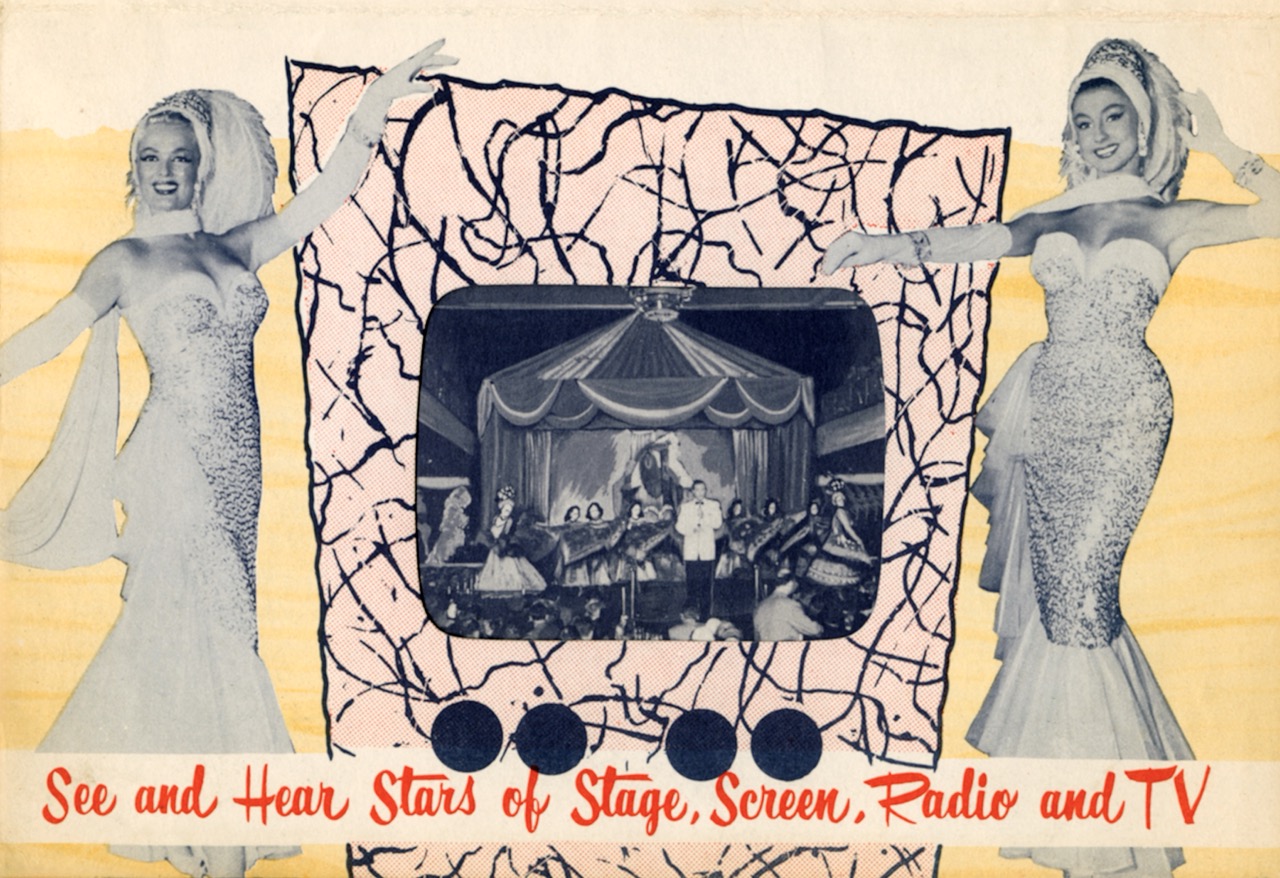
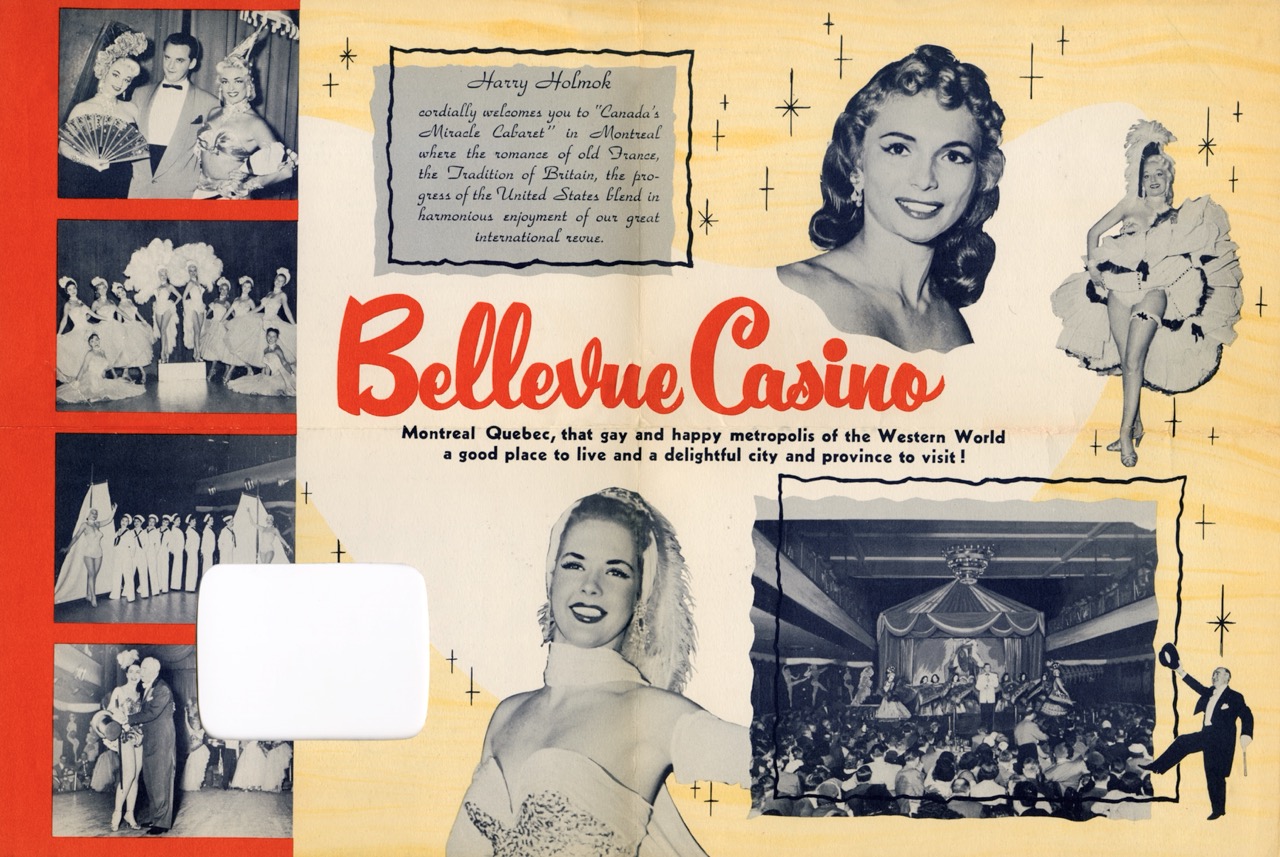
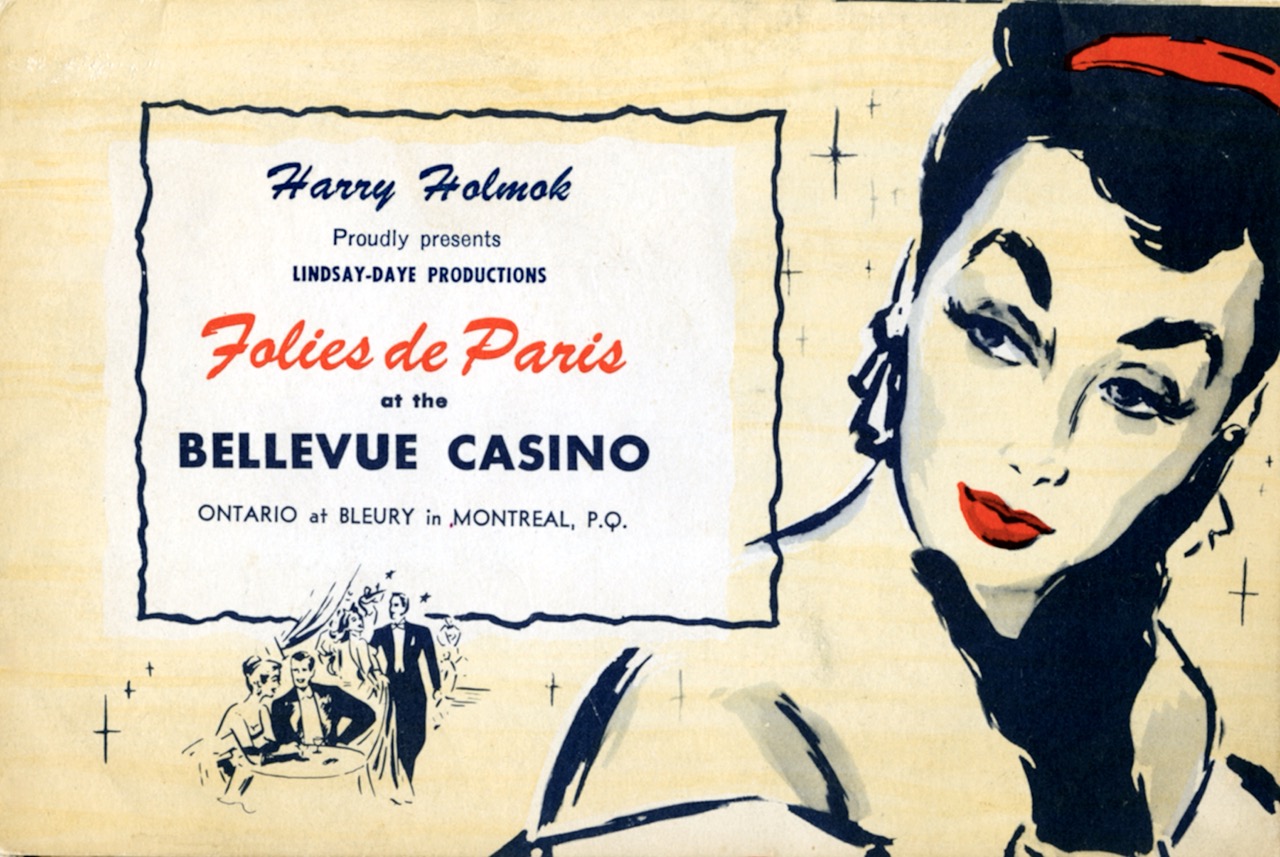
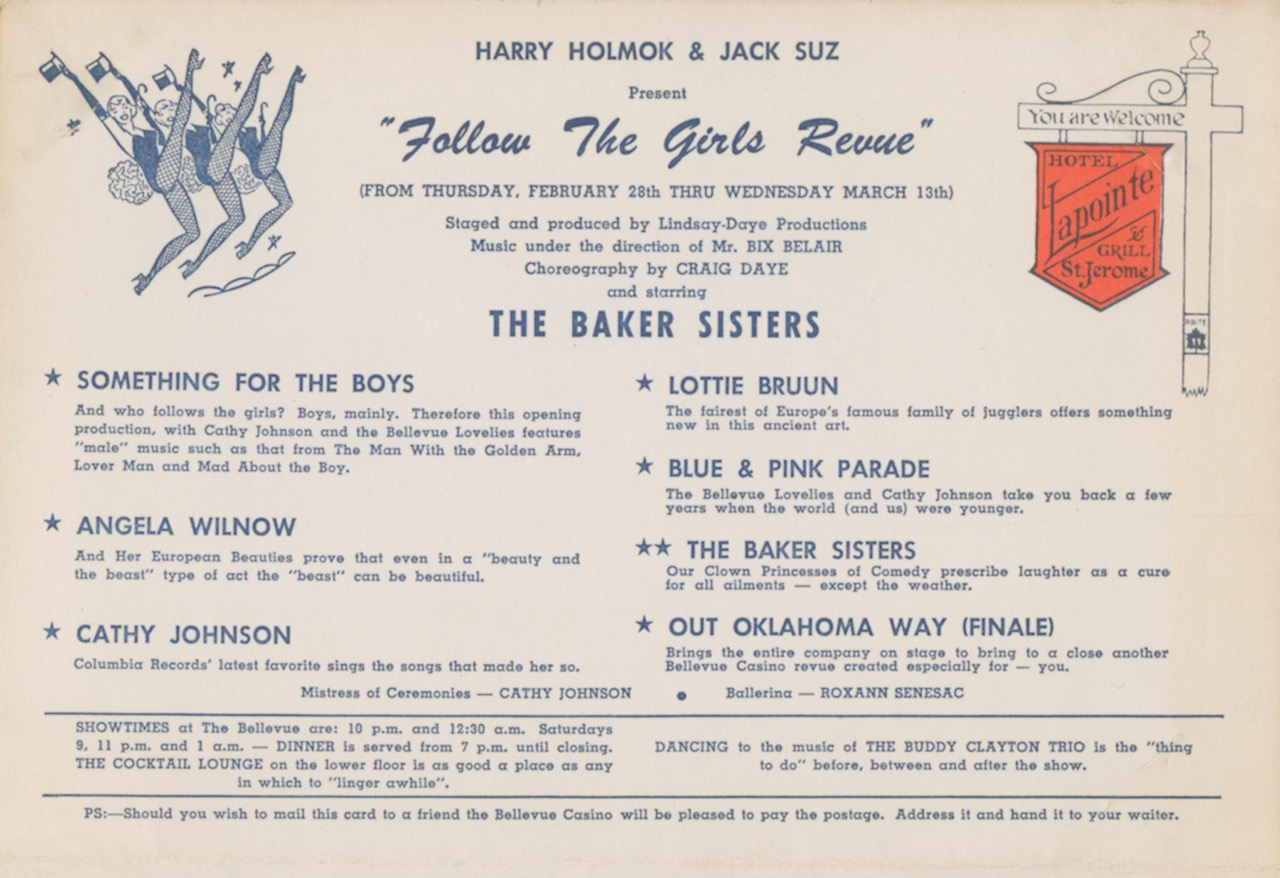
From Harlem to the Touring Circuit
Most musical revues of the period were developed and produced in Harlem, New York, although some emerged from Buffalo or Philadelphia. Harlem’s deep talent pool flourished during the Harlem Renaissance of the 1920s through the 1940s.
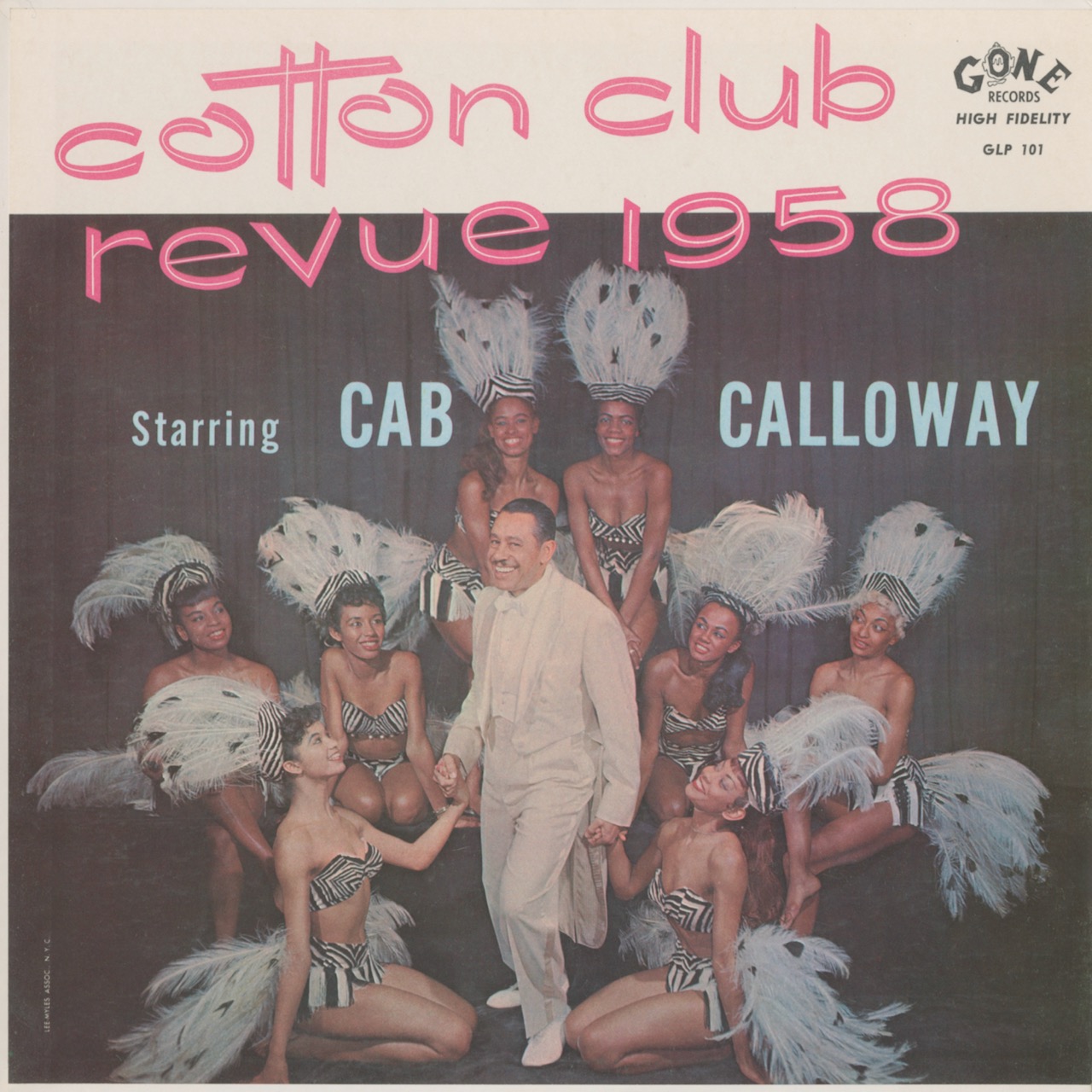
Revues played famous rooms such as the Apollo and Cotton Club, then travelled an extensive network of theatres, cabarets and nightclubs across the northeastern United States. Engagements ranged from a single night to a year or more.
Wide-open Montréal
A Northern Stop on the Circuit
Montréal After Dark
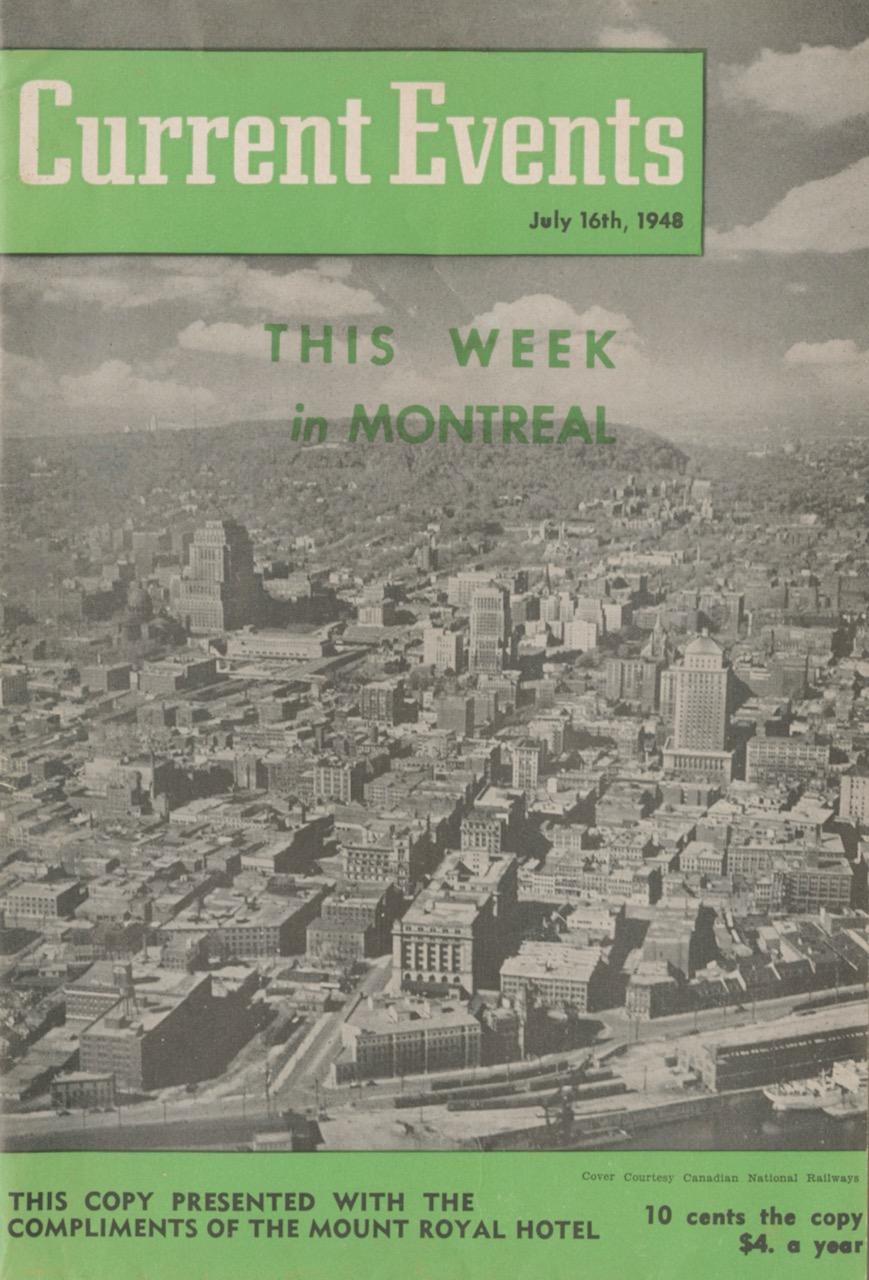
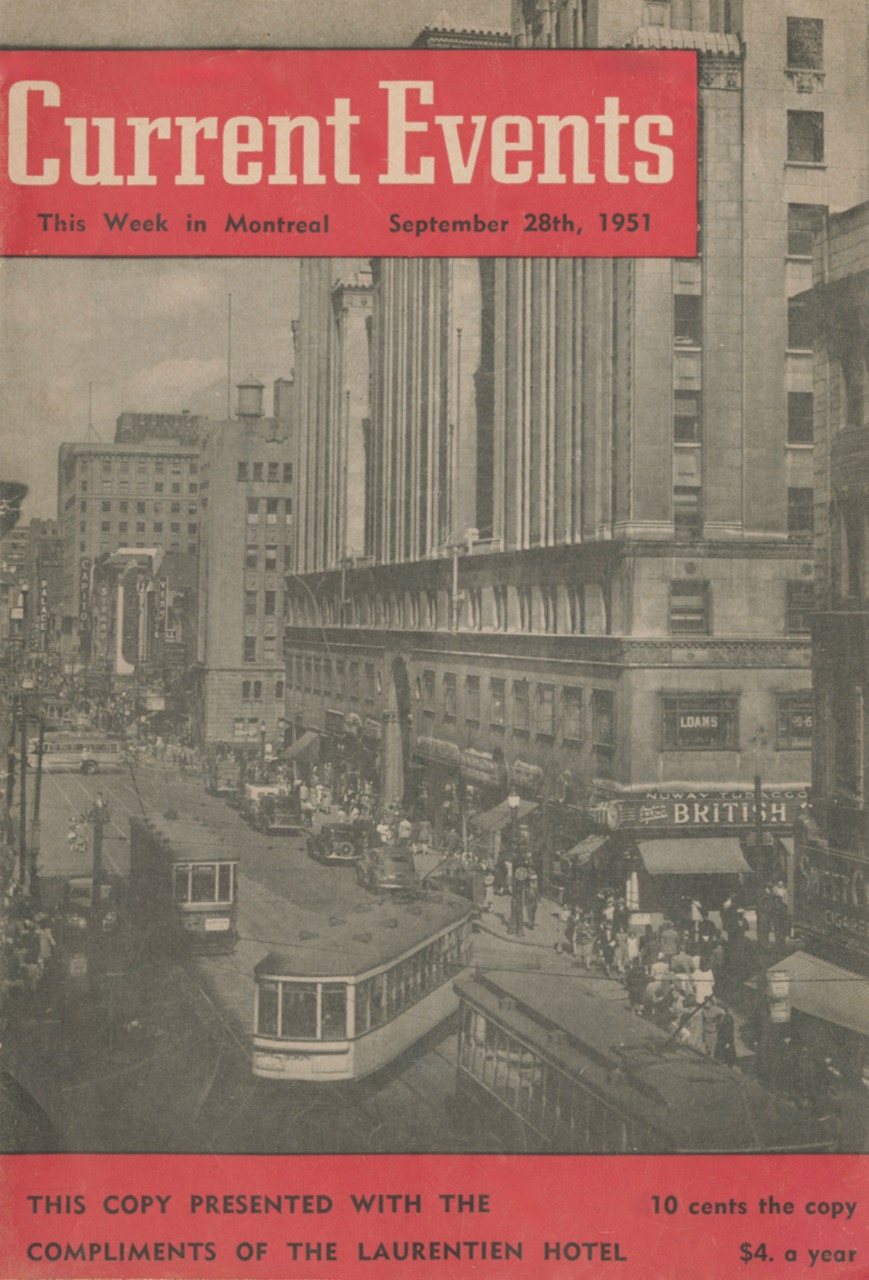
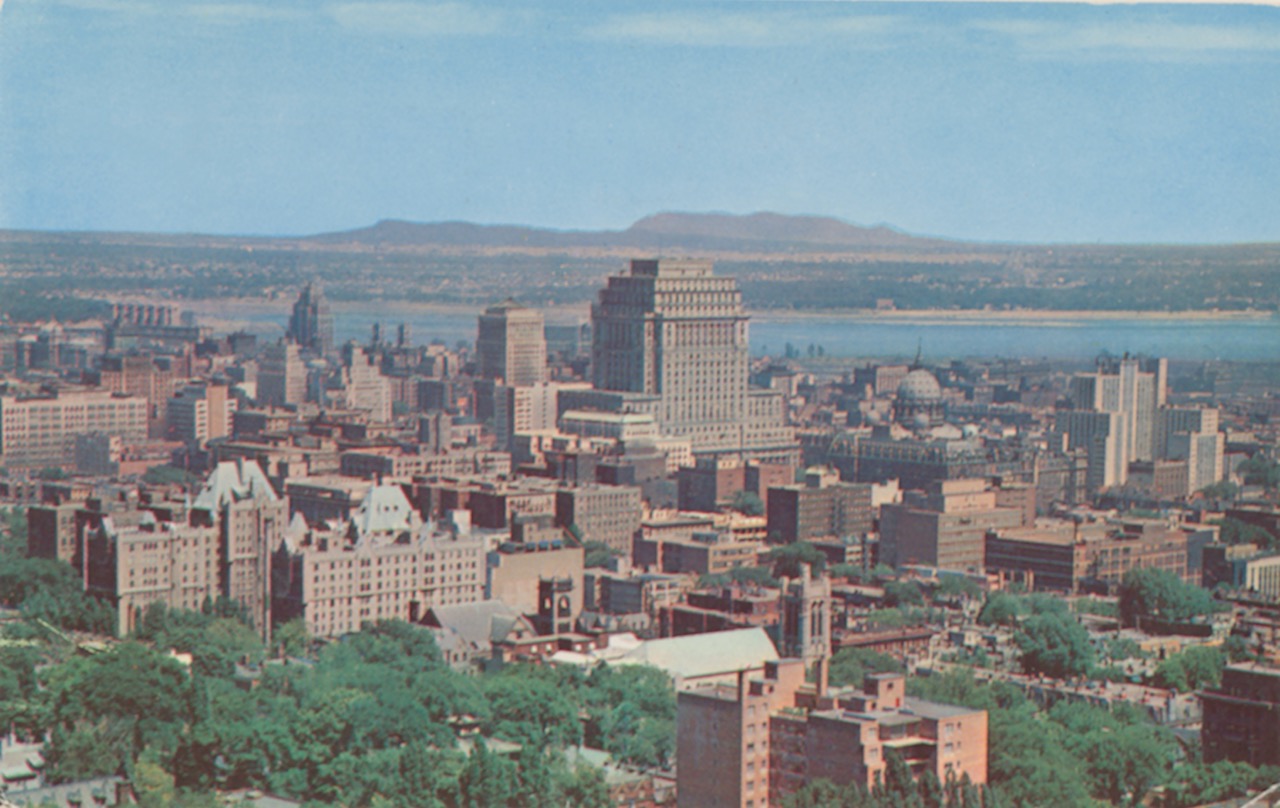
Montréal was a regular stop for touring Harlem revues. In the 1940s and 1950s it was Canada’s largest city and was often described as “wide open,” with readily available alcohol, casinos, nightclubs and bordellos. Its nightlife had become especially vibrant and welcoming through the Prohibition years.
This exhibit profiles four clubs that specialized in hosting Harlem revues: Rockhead’s Paradise, Café St Michel, the Montmartre and the Black Orchid Casino.
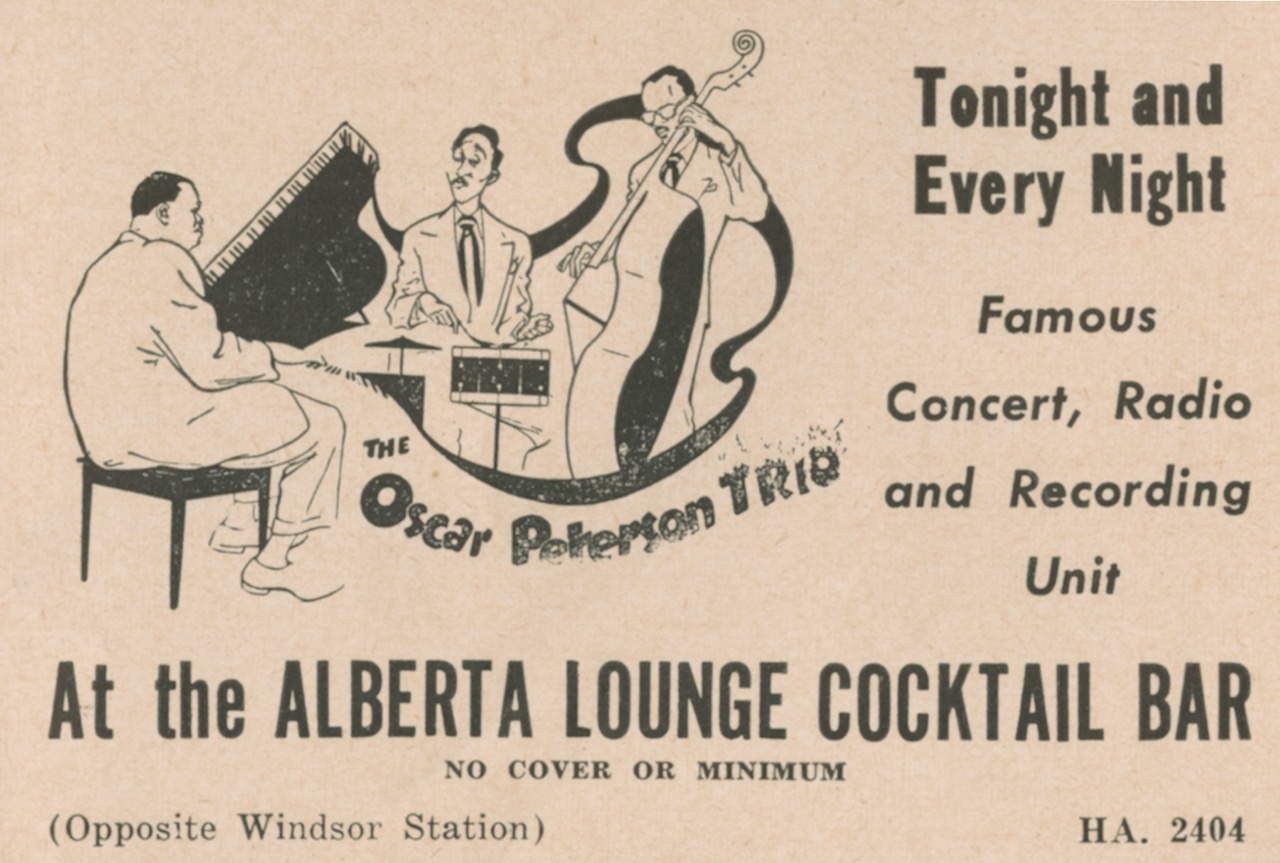
1931–1976
Rockhead’s Paradise
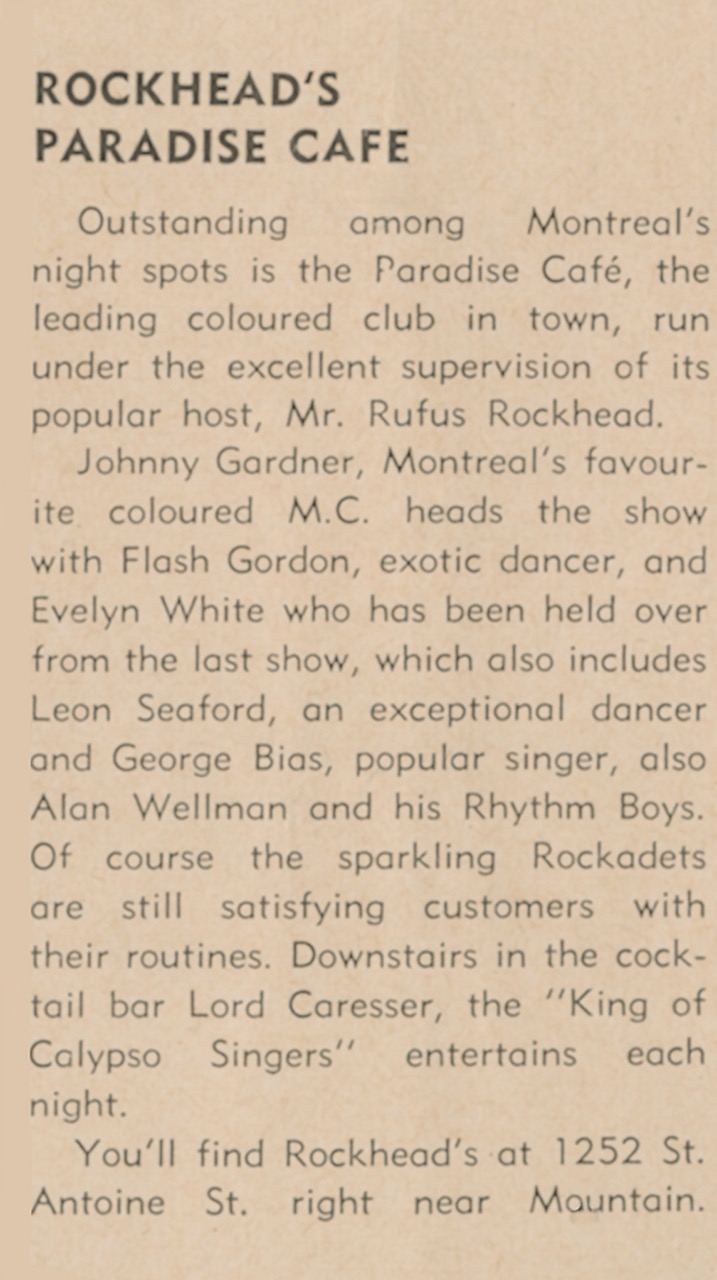
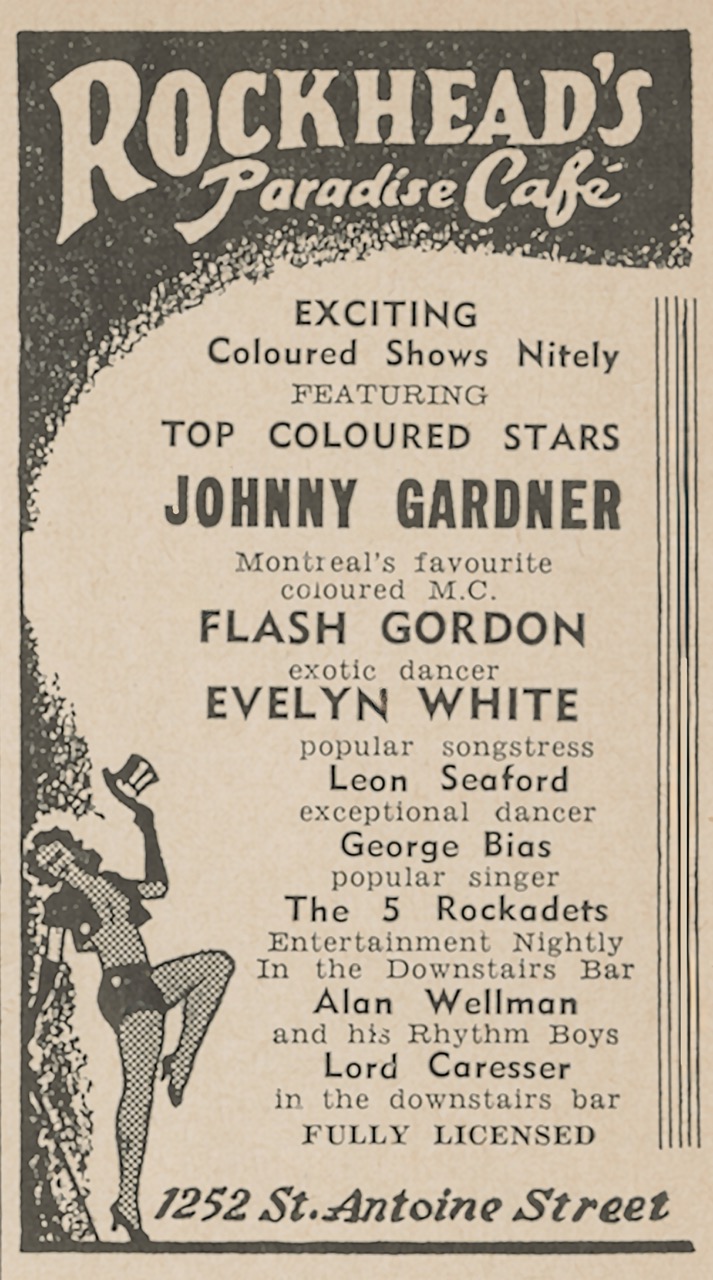
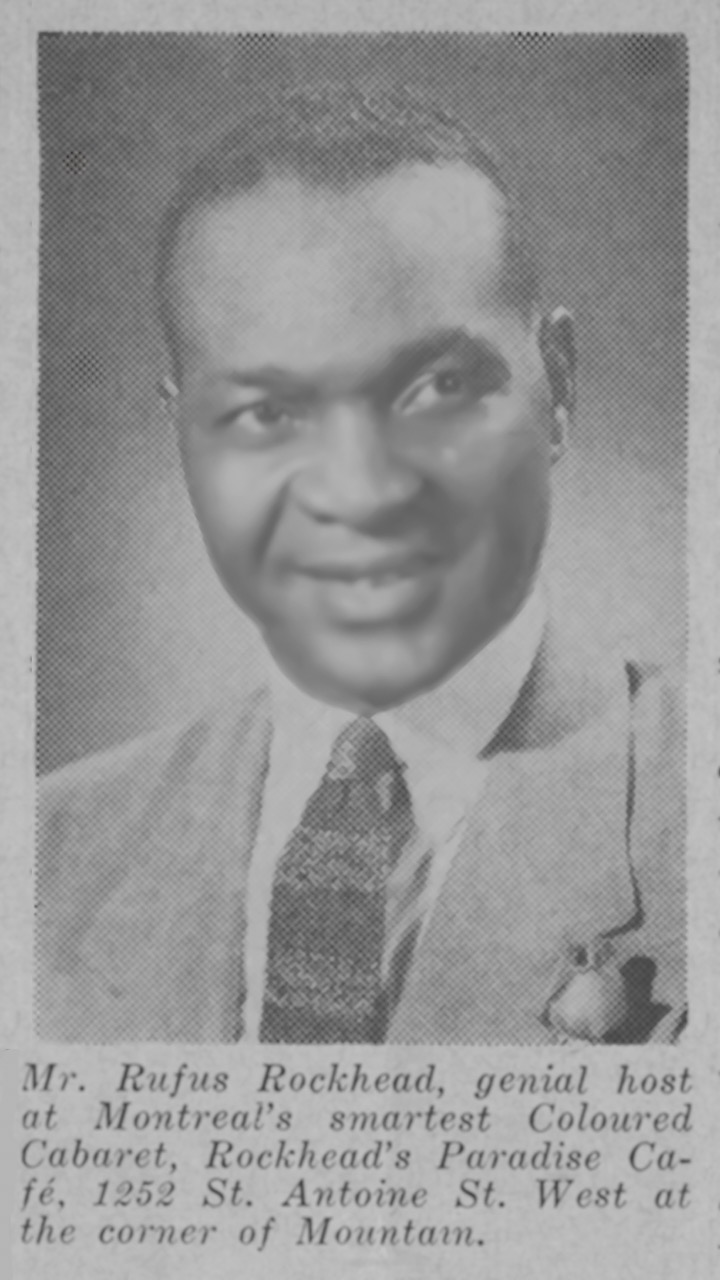
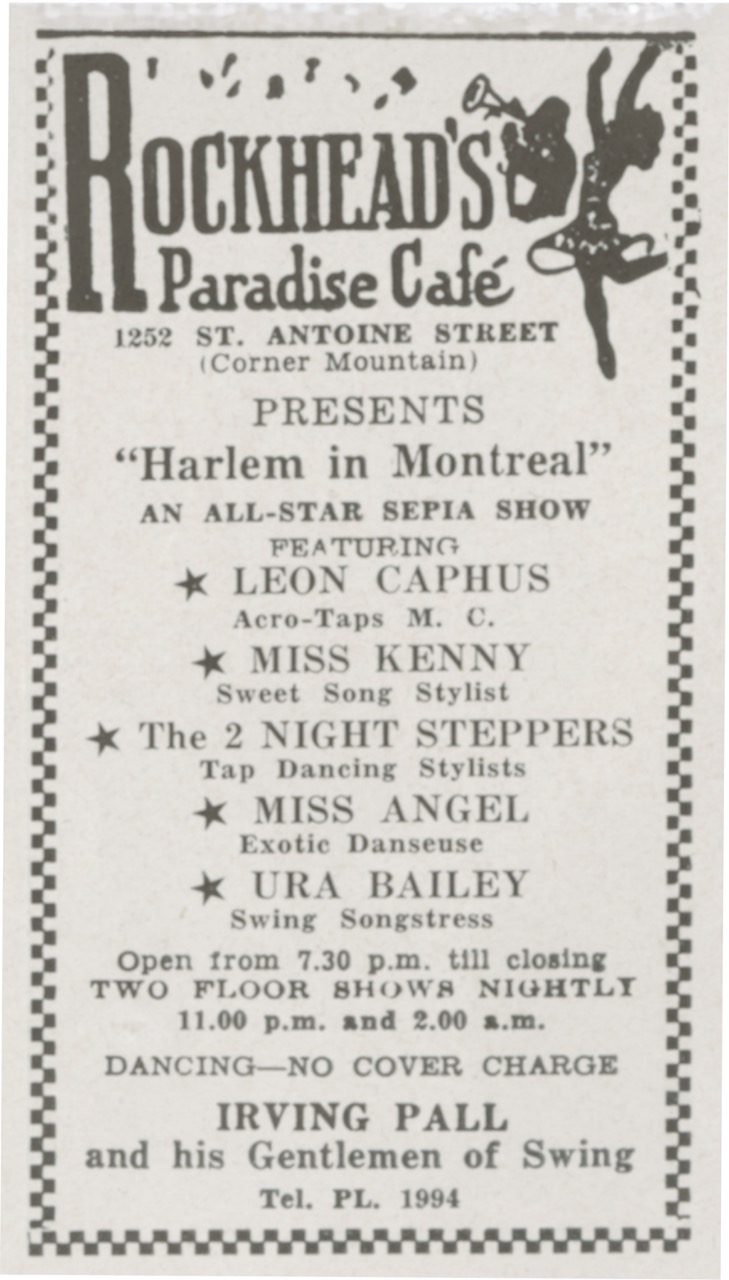
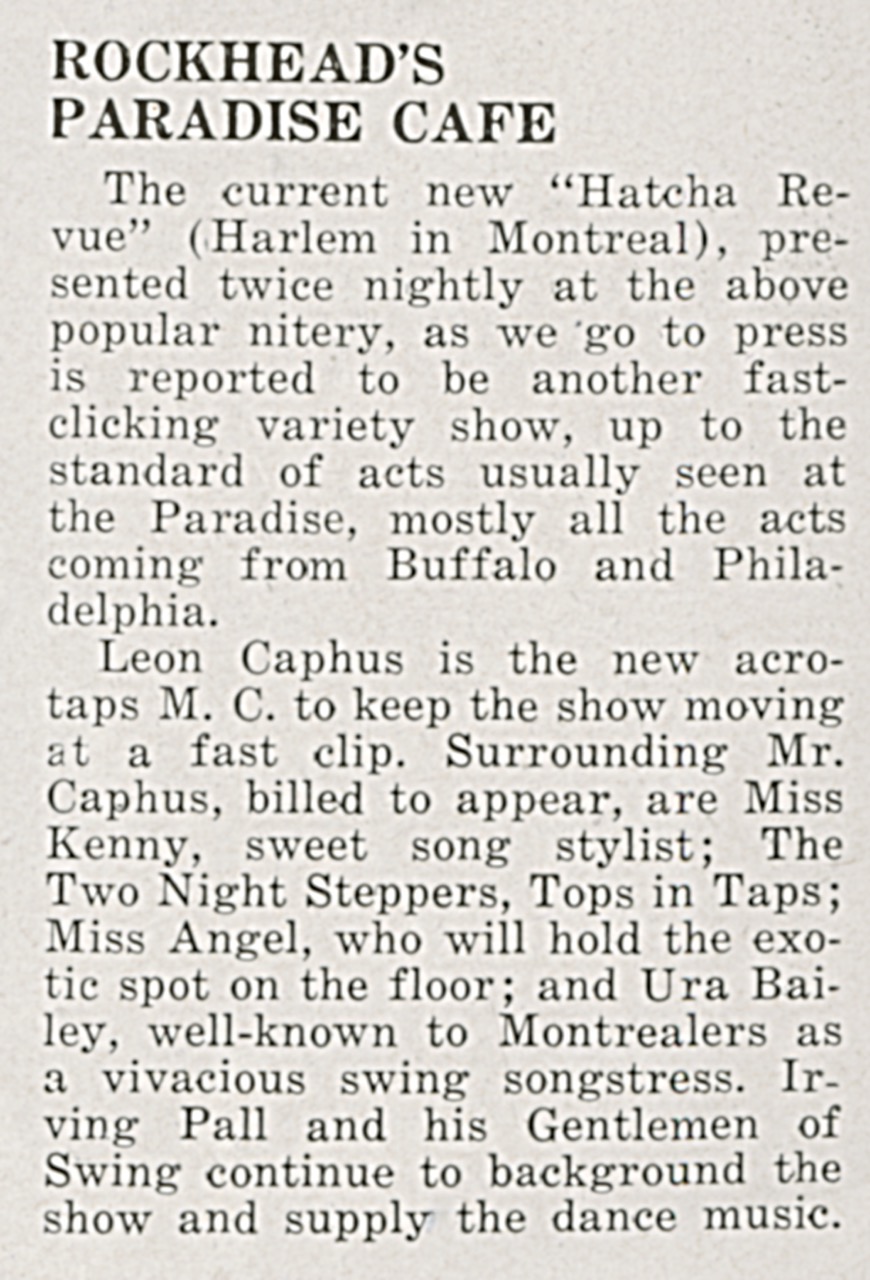
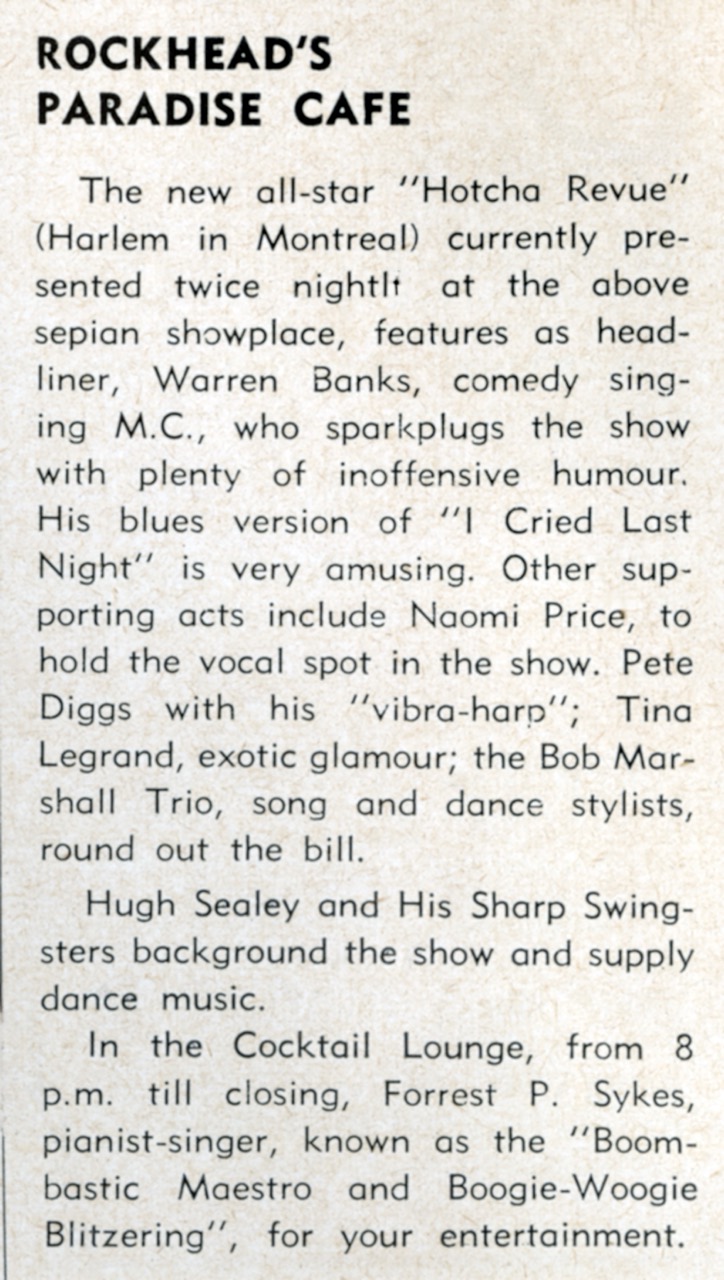
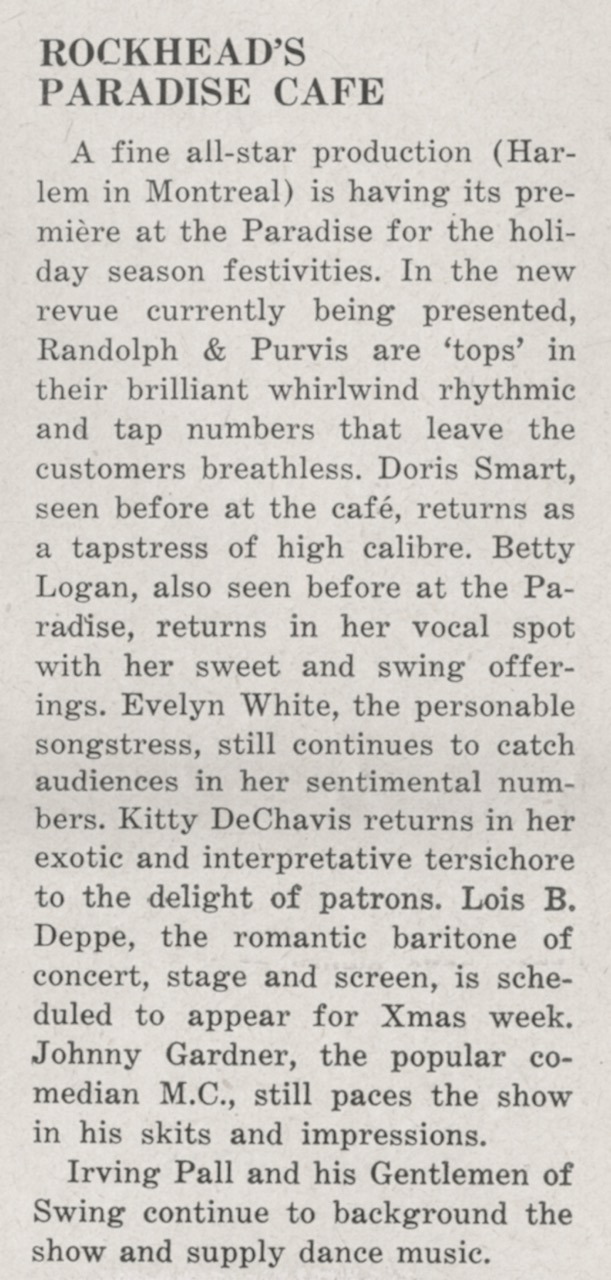
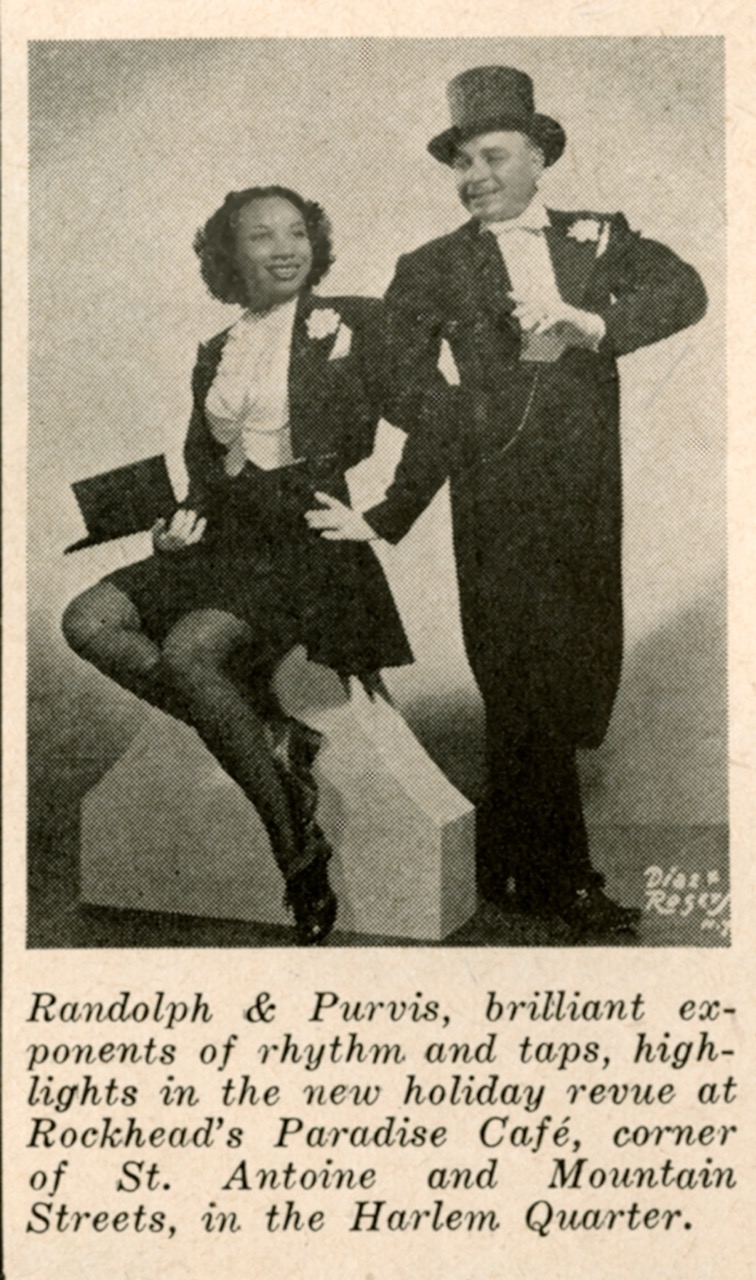
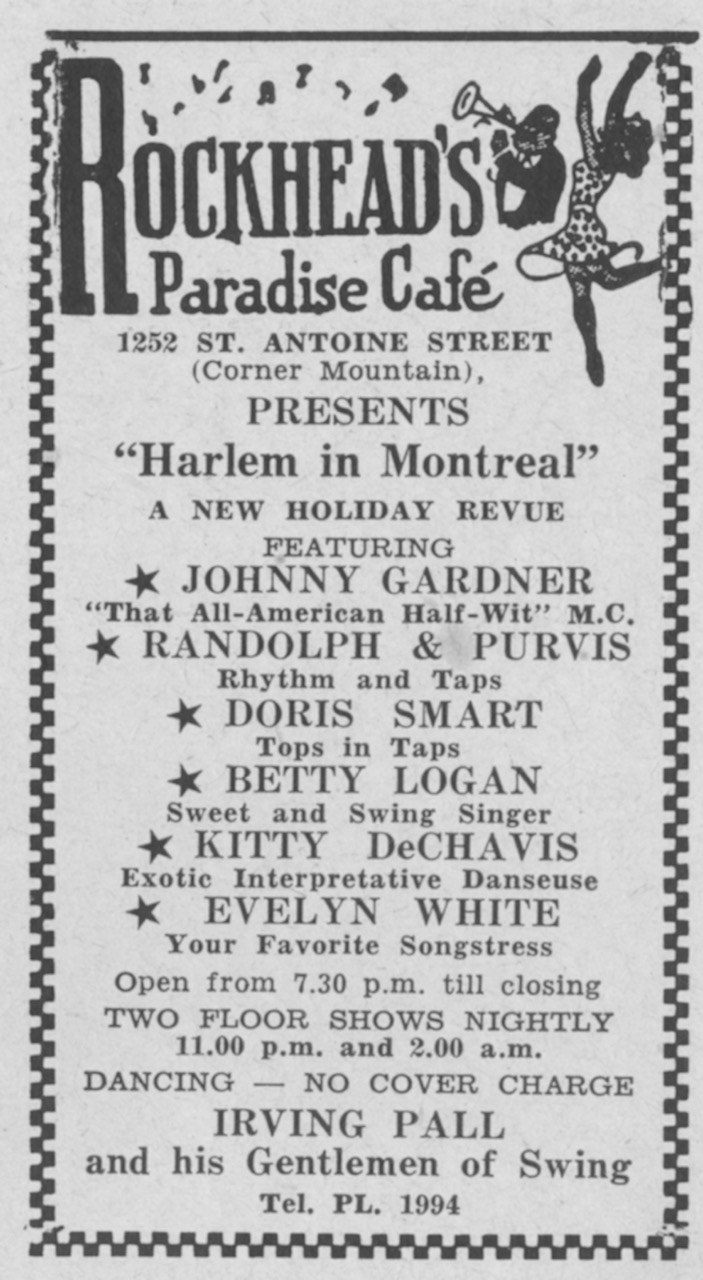
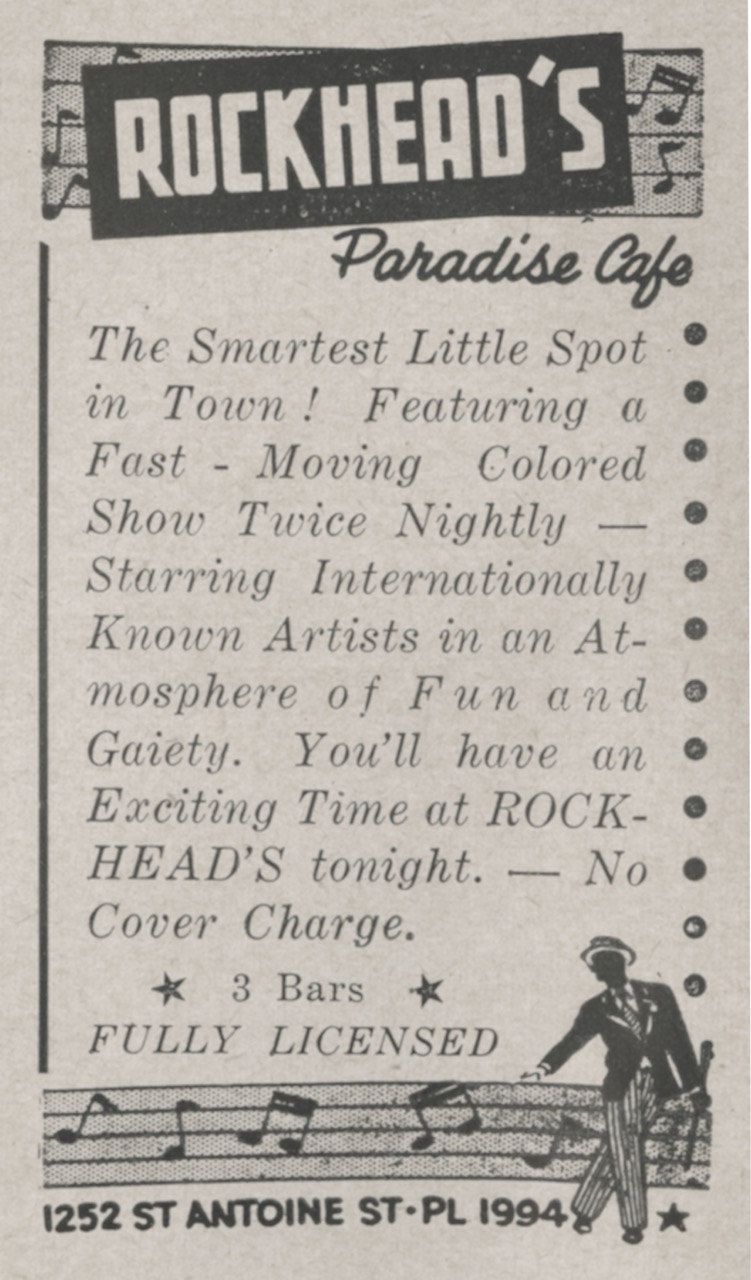
Rufus Rockhead’s Paradise
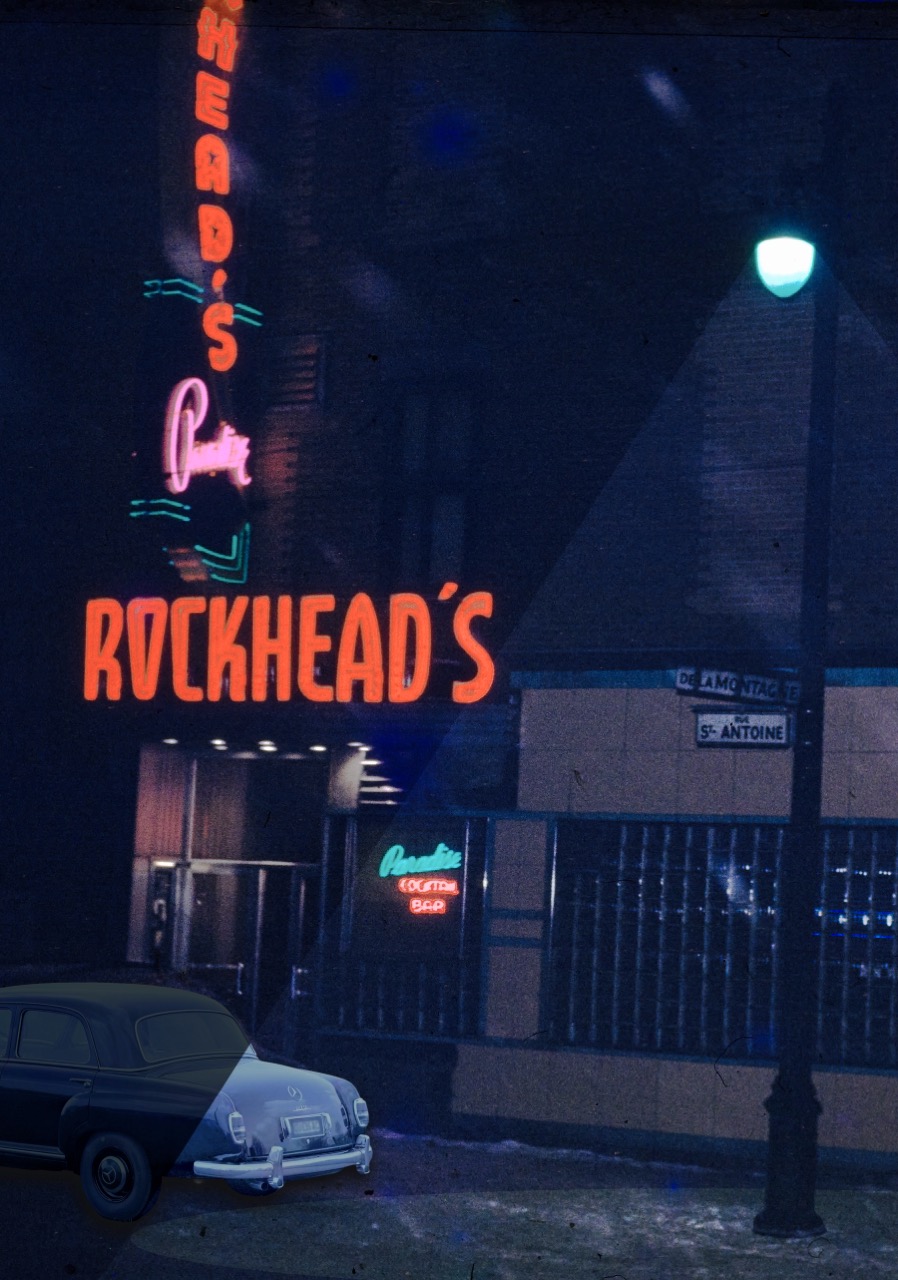
Rockhead’s Paradise was established by Rufus Rockhead, a Jamaican immigrant who arrived in Montréal in 1916. After work in a munitions factory and service with the Canadian Forestry Corps in France, he returned to Montréal and became a Canadian Pacific Railway porter—one of the few decent jobs then available to an adult Black man.
A born entrepreneur, Rockhead saved enough from railway work—and perhaps some smuggling during American Prohibition—to purchase an old hotel in Little Burgundy. He opened Rockhead’s Paradise Café in 1931.
Despite racism and harassment, he became a successful impresario and supporter of Black performers for the next 45 years. Famous for greeting patrons with a fresh rose on his lapel, Rockhead is commemorated today by Montréal’s Rue Rufus-Rockhead. Read his full story at Parks Canada.
Inside Montréal’s Smartest Coloured Nite Club
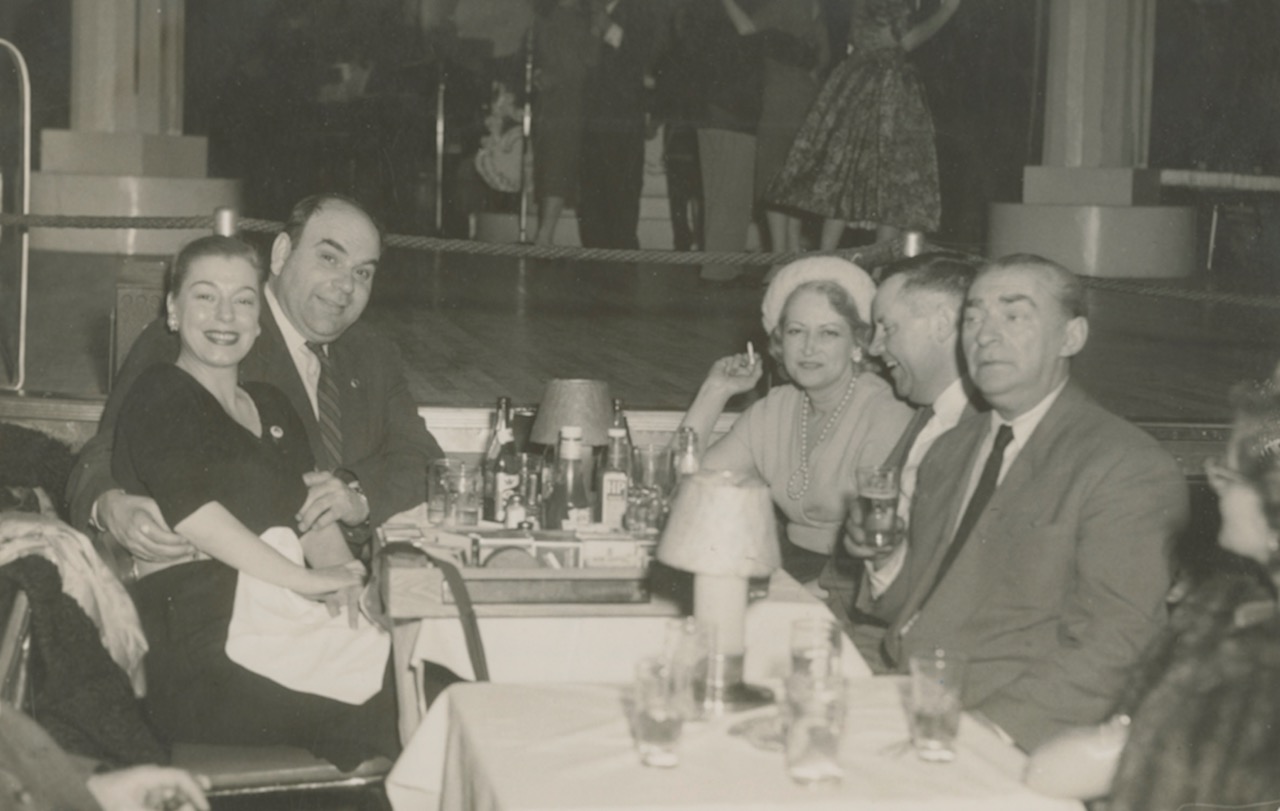
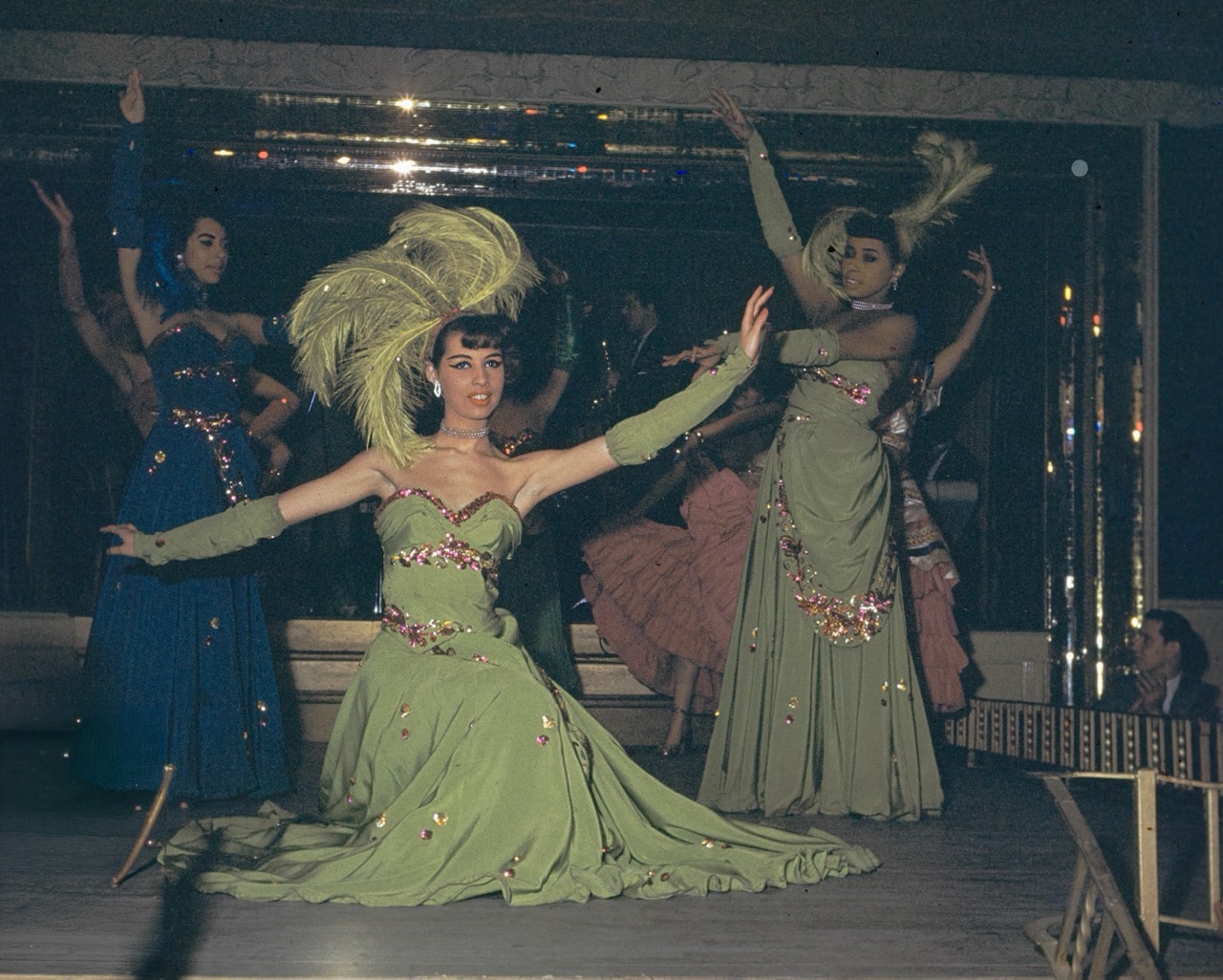
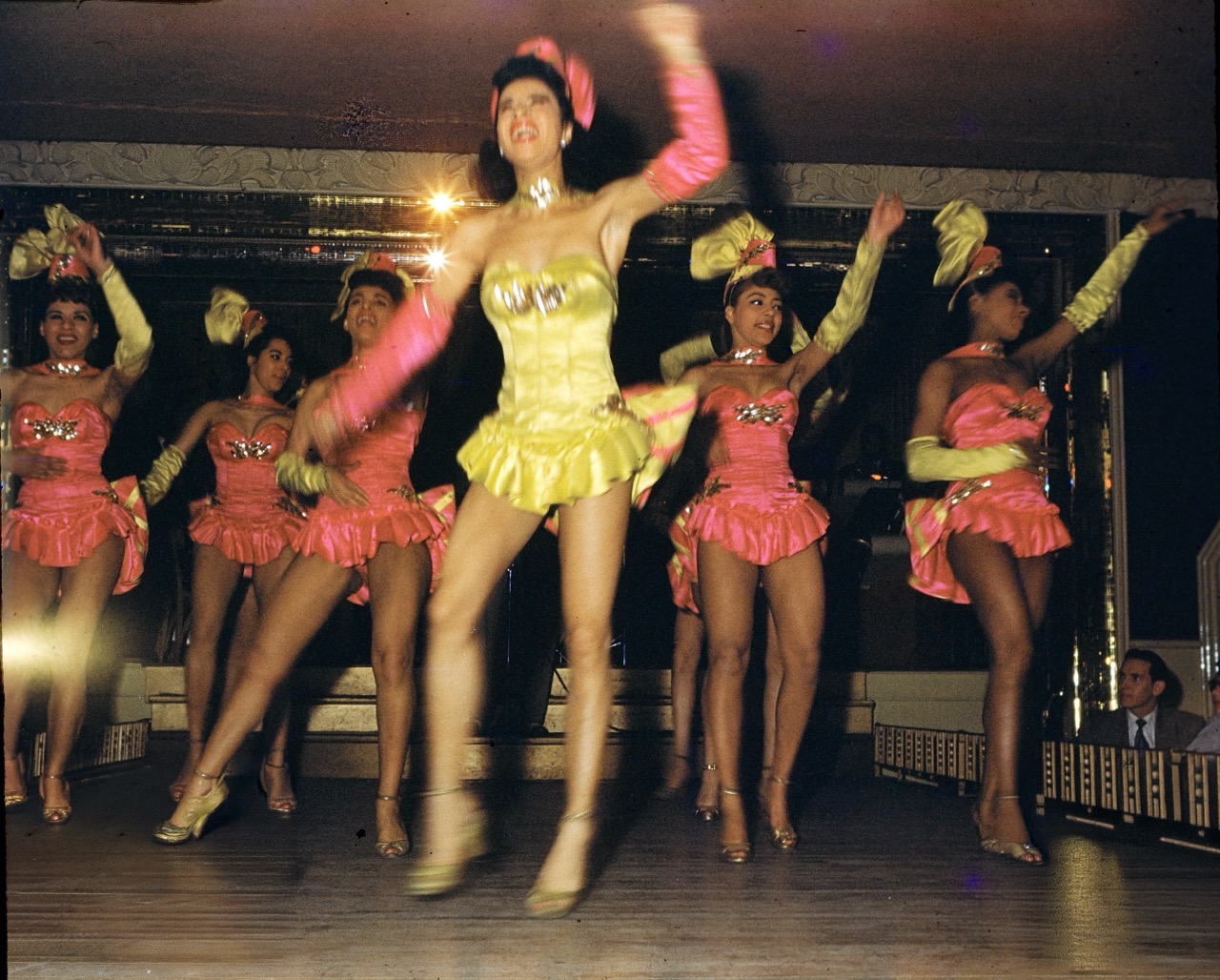
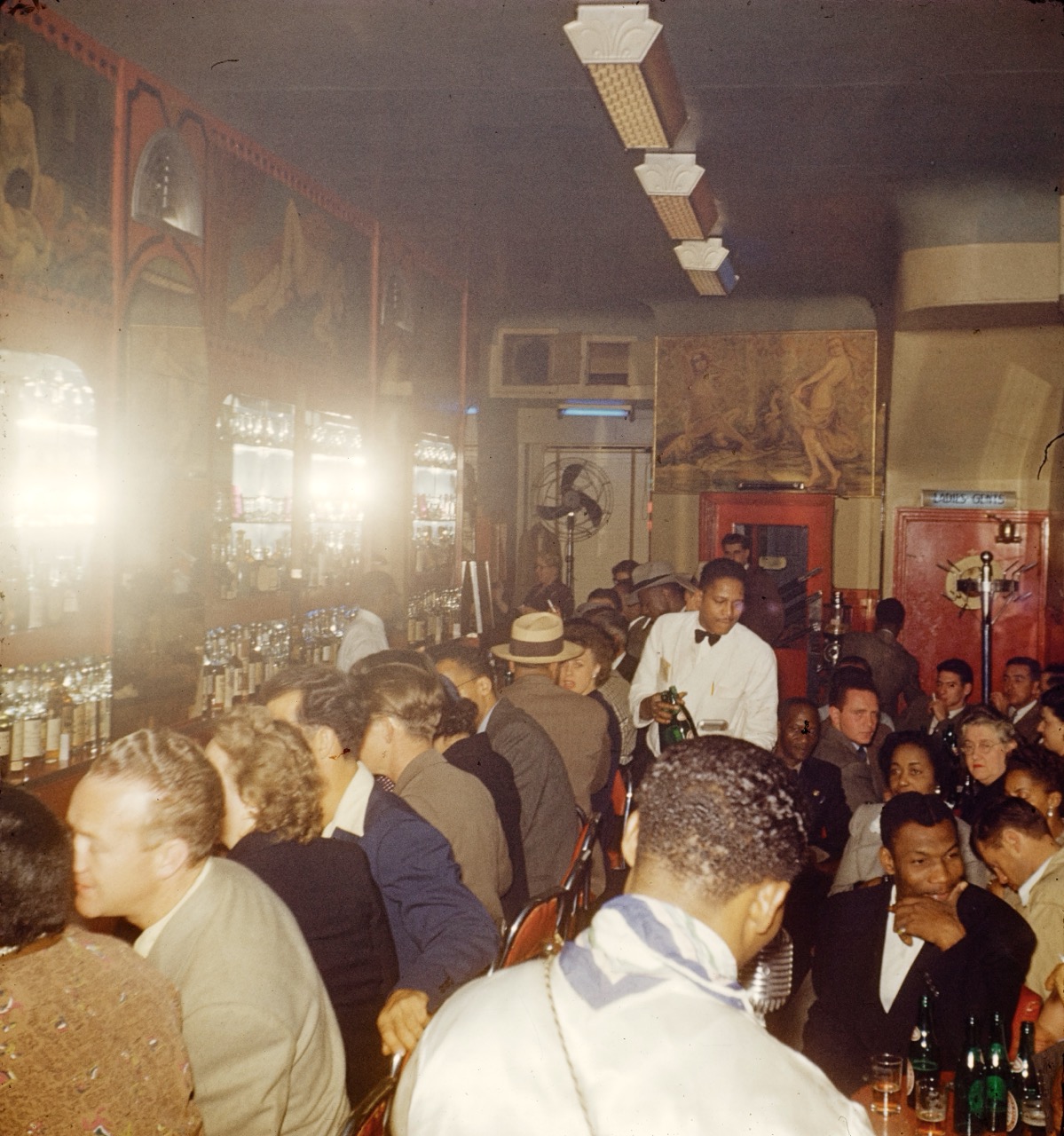
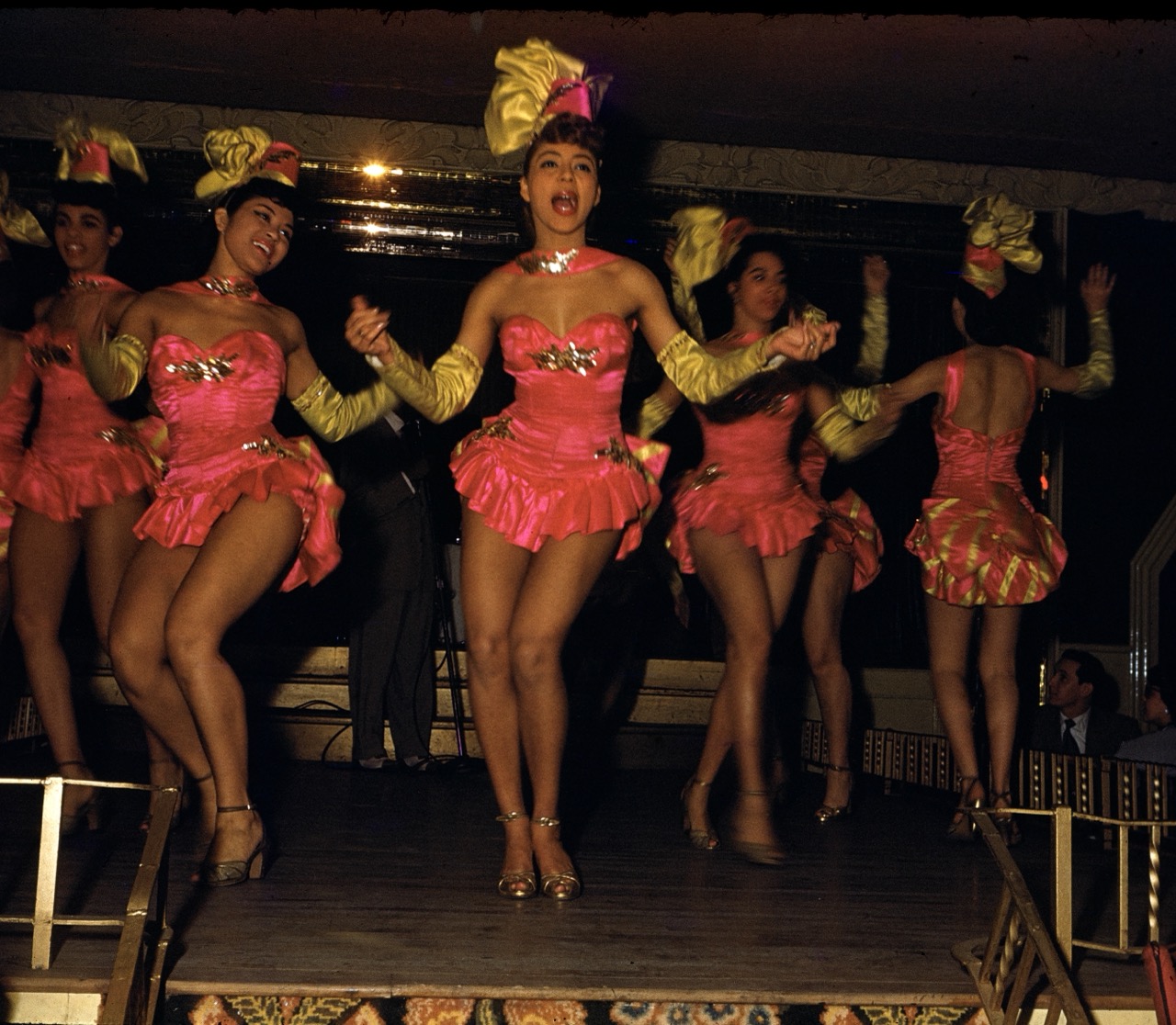
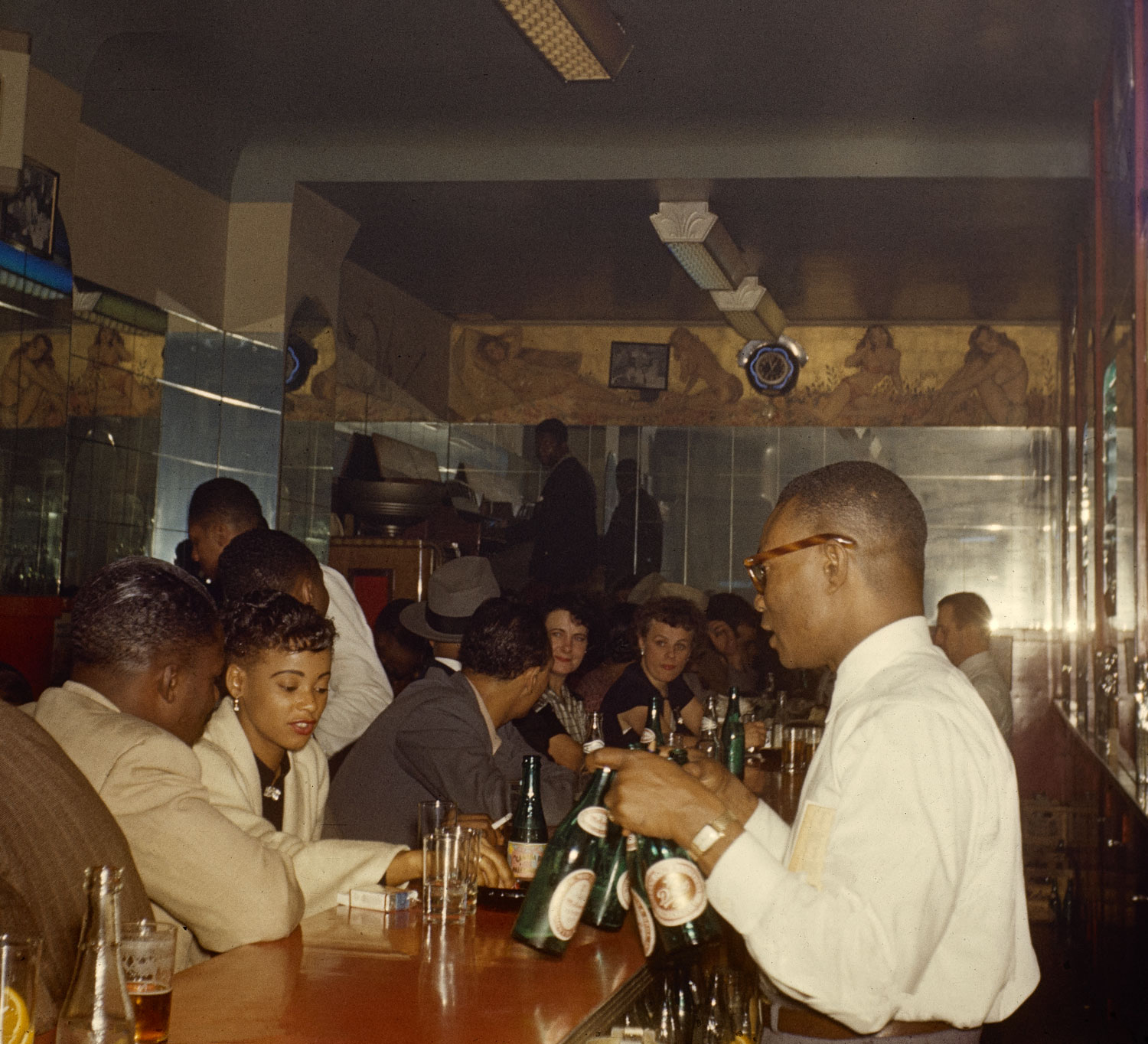
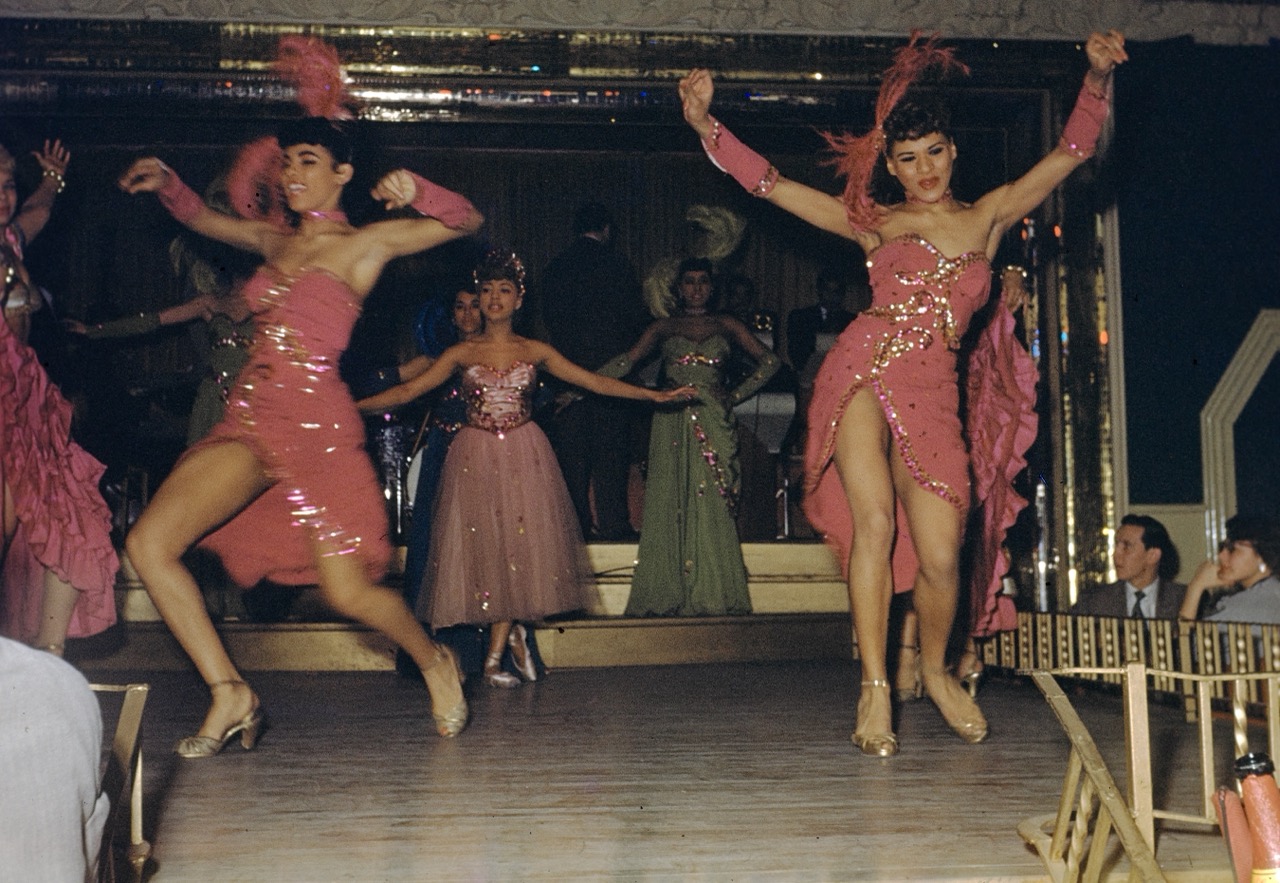
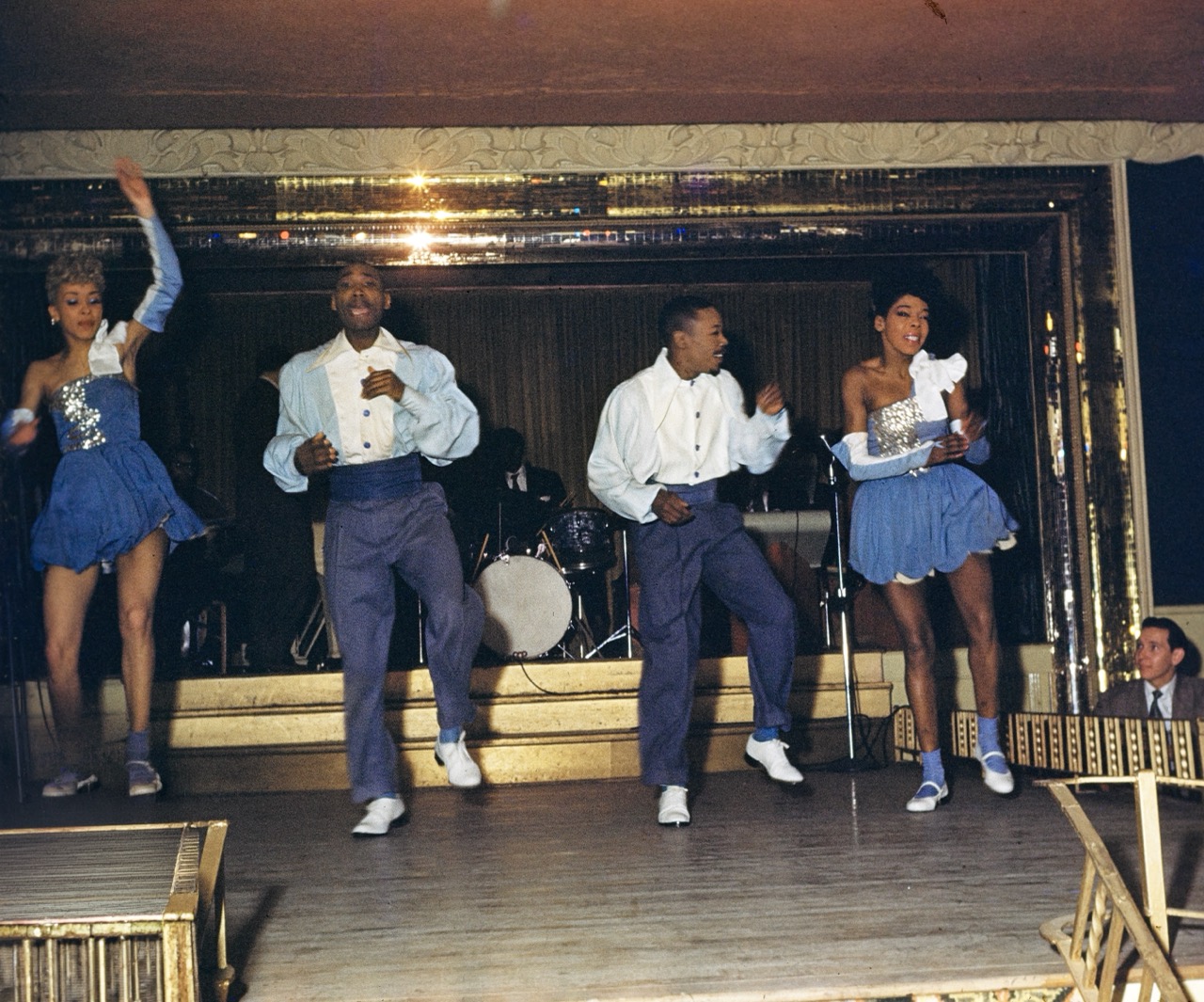
A postcard and stereoscopic photographs from the early 1950s take us inside Rockhead’s Paradise. An anonymous American visitor from Rhode Island photographed the long bar, happy patrons and the back of Lord Caresser—“King of the Calypso Singers”—as he performed in 1952.
The images also reveal a defining feature of the room: while the performers were Black, the audience was mixed. All were welcome at Rockhead’s.
Across the street
Café St Michel
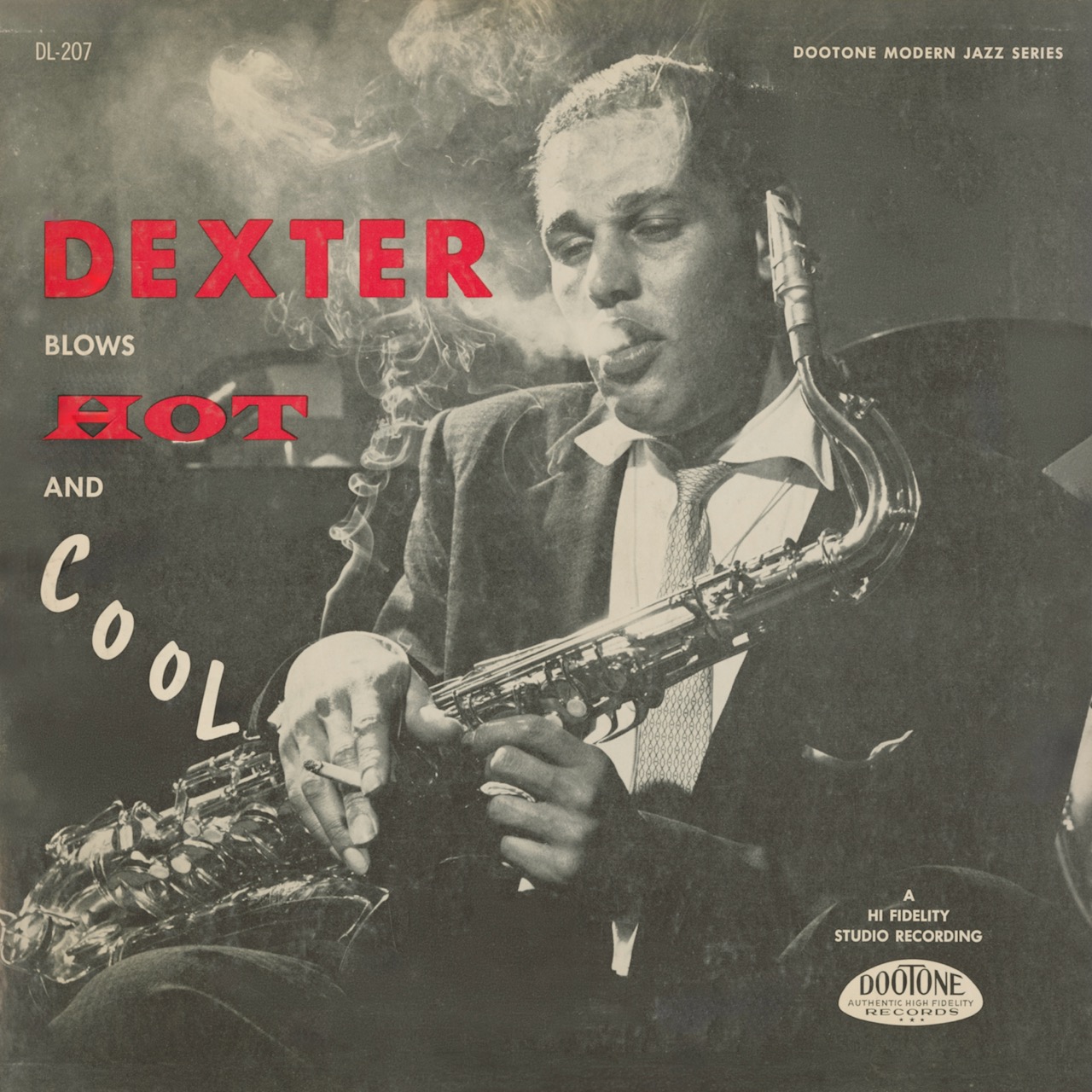
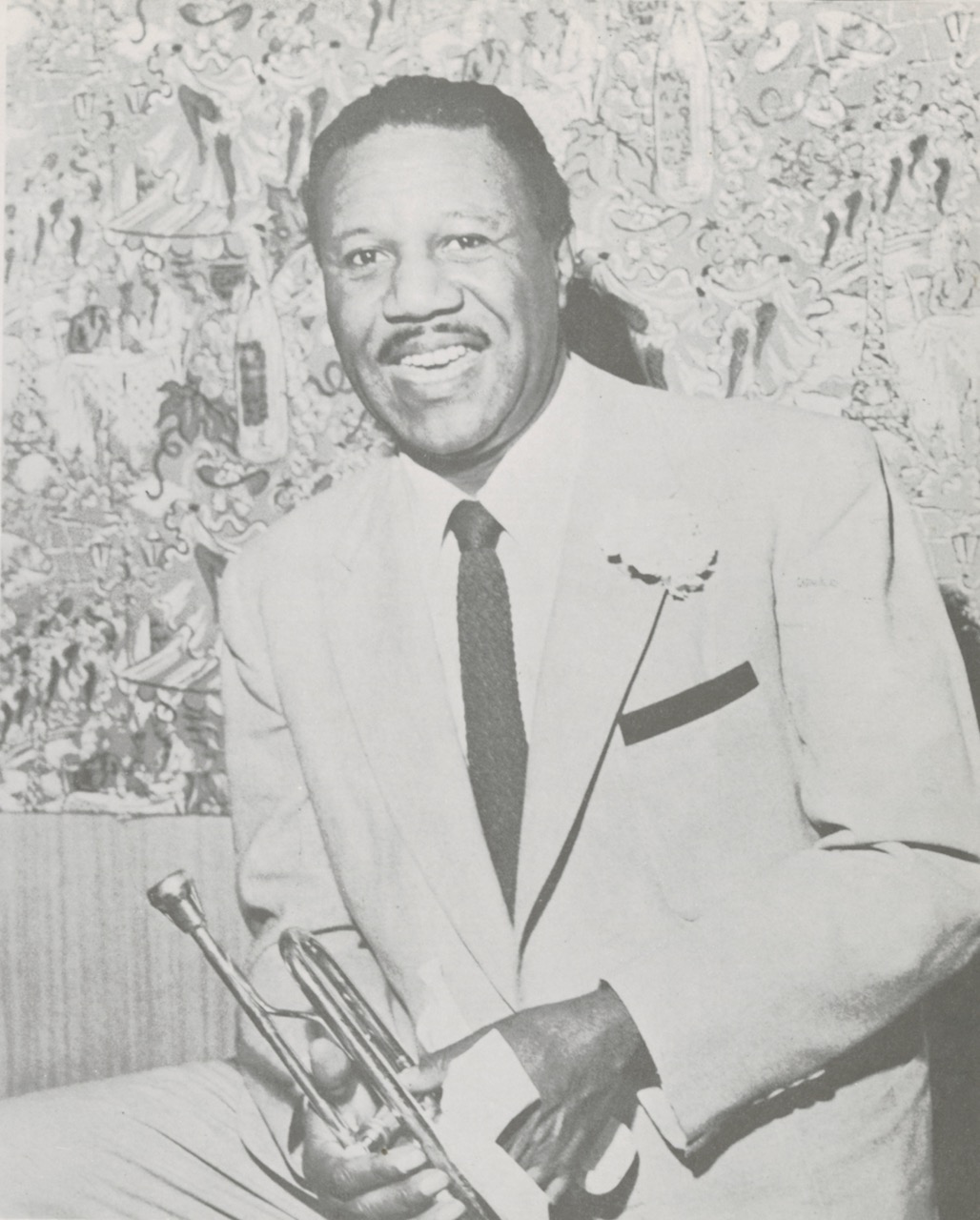
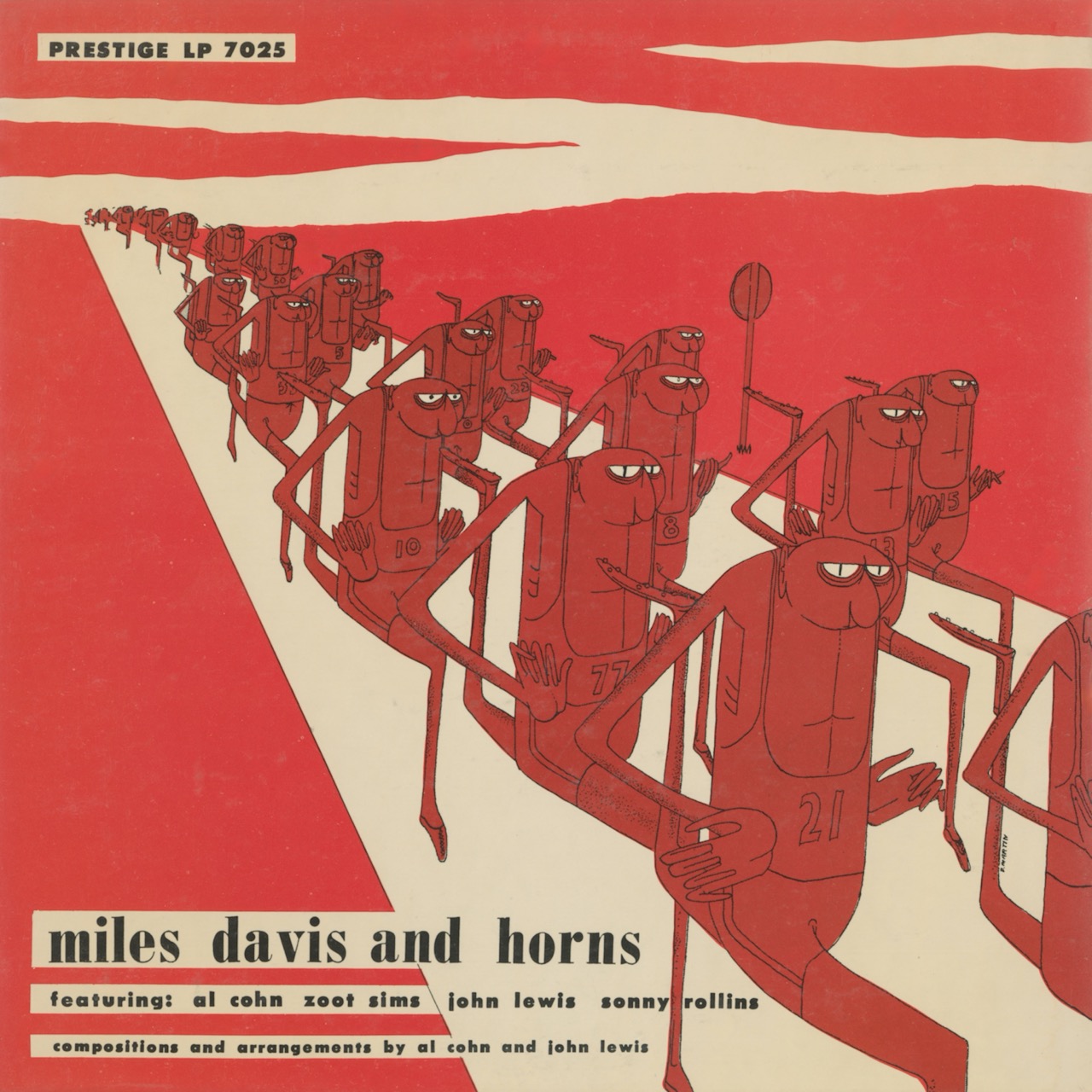
Harlem de Montréal
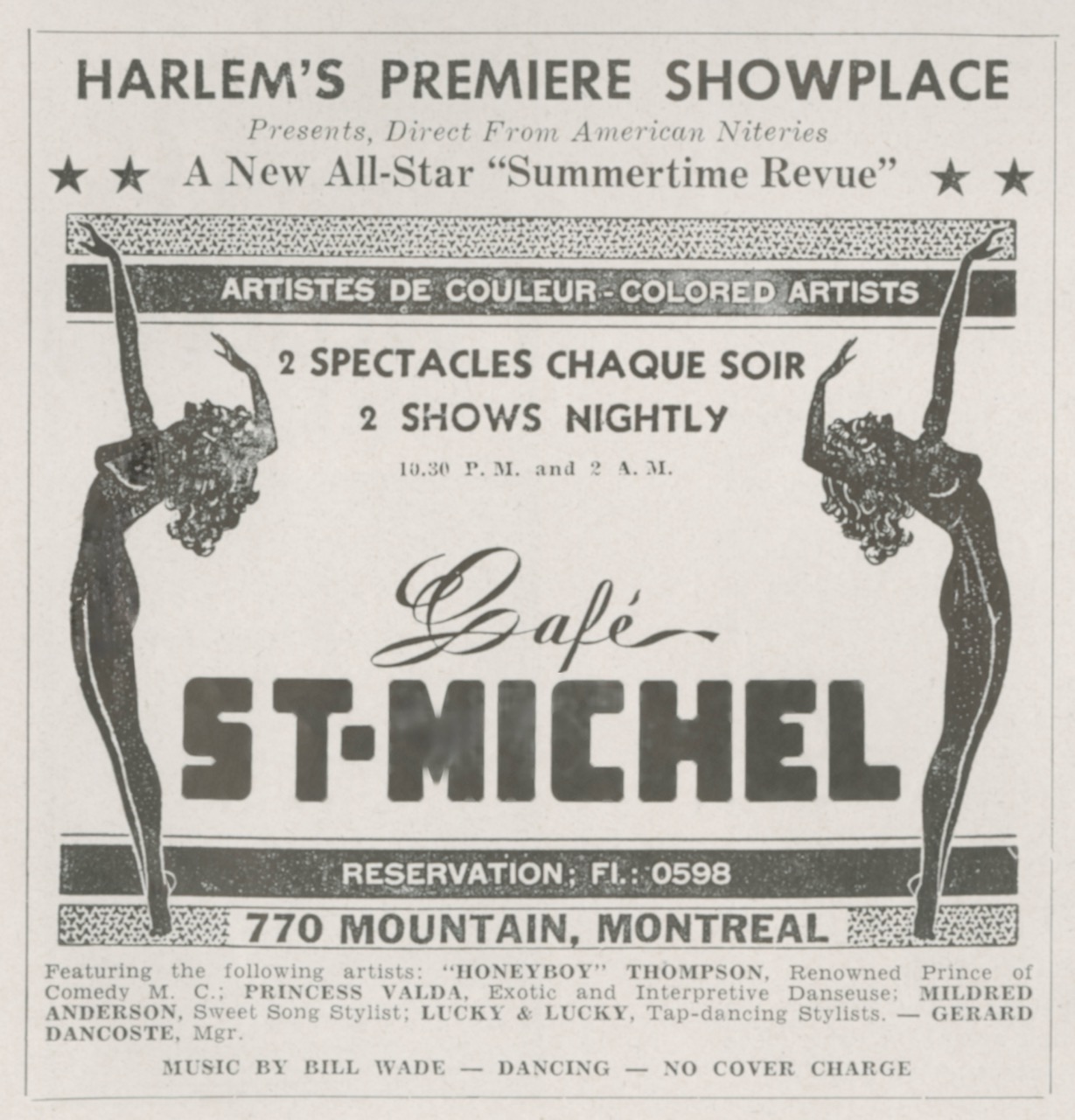
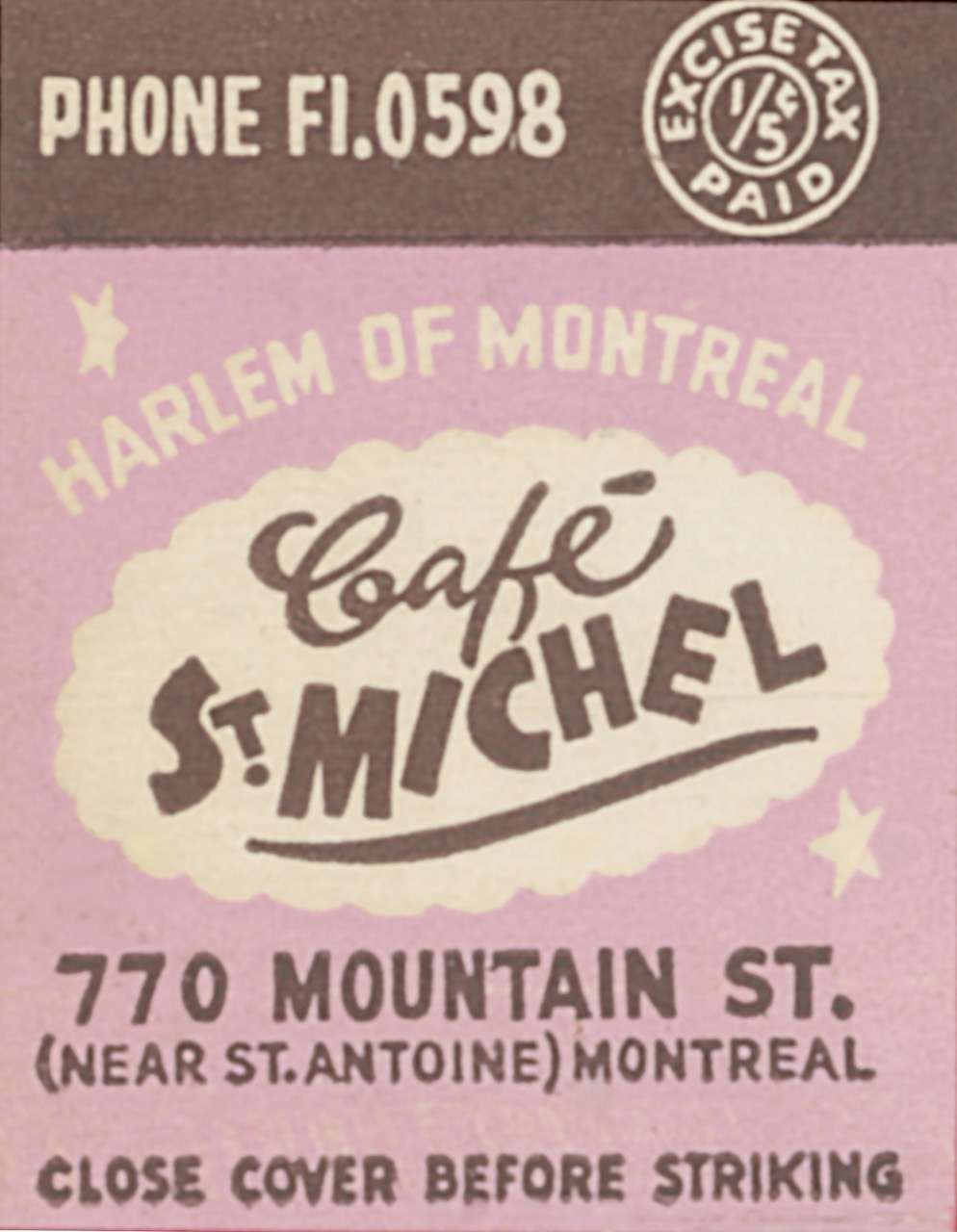
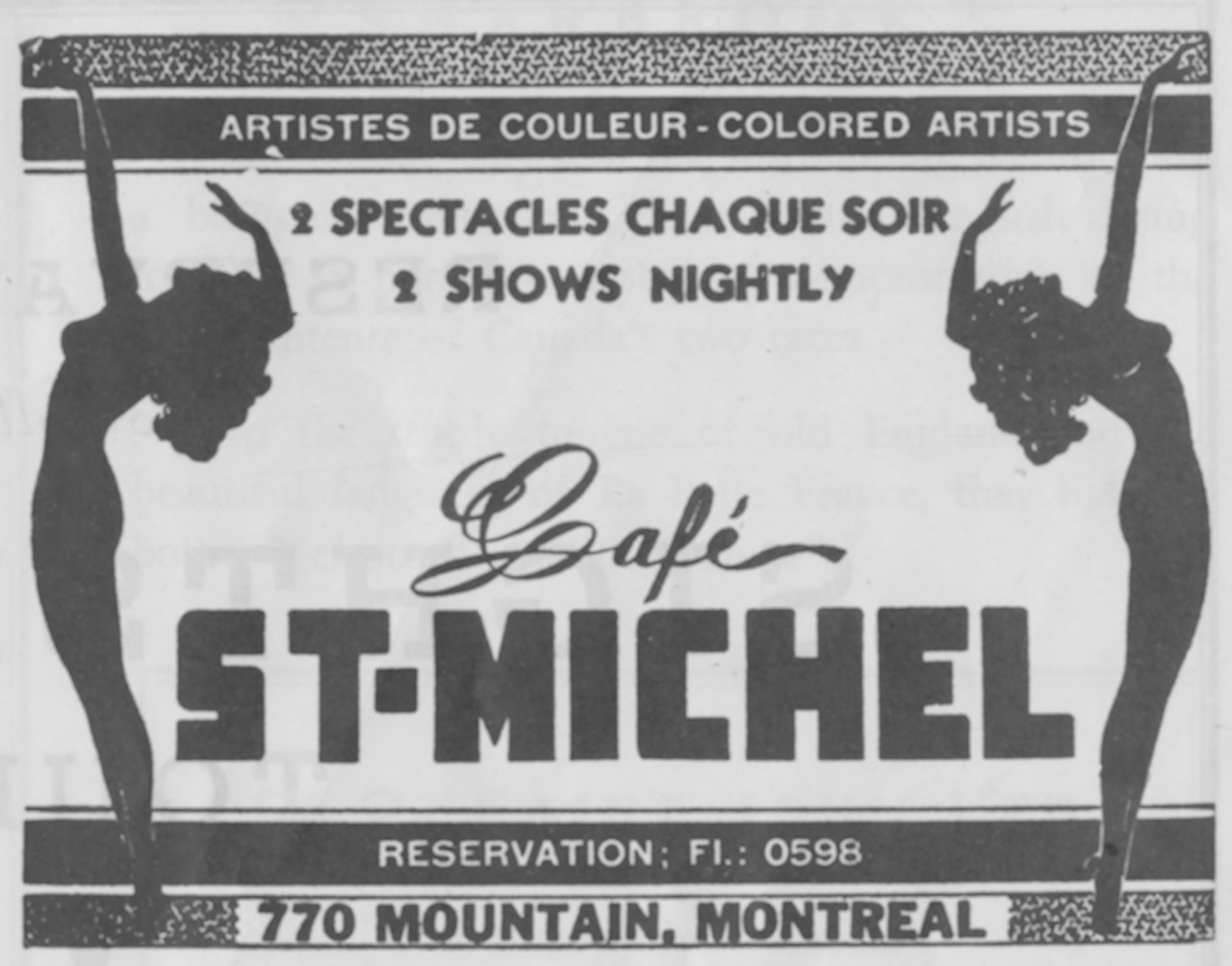
Café St Michel opened in 1940, across the street from Rockhead’s Paradise. It thrived through the war years as a nightclub specializing in Harlem revues. As at Rockhead’s, the master of ceremonies was often the principal draw.
The club took off in 1947 when trumpeter Louis Metcalf and his International Band became the house band. Metcalf had played with Duke Ellington, Jelly Roll Morton and Fletcher Henderson, and had brought his own Harlem revue to Montréal several times in the 1930s.
After-hours visits by other musicians transformed revue music into jazz and bebop. The late Saturday sessions became known as the Sunday Morning Breakfast Dance.
Bebop, Pressure and Closure
Metcalf and the International Band earned acclaim for pioneering bebop, a controversial new jazz form popular with the club’s younger patrons. That growing musical ambition sometimes clashed with the band’s primary duty: supporting the full range of revue performers. The tension contributed to Metcalf’s departure in 1949.
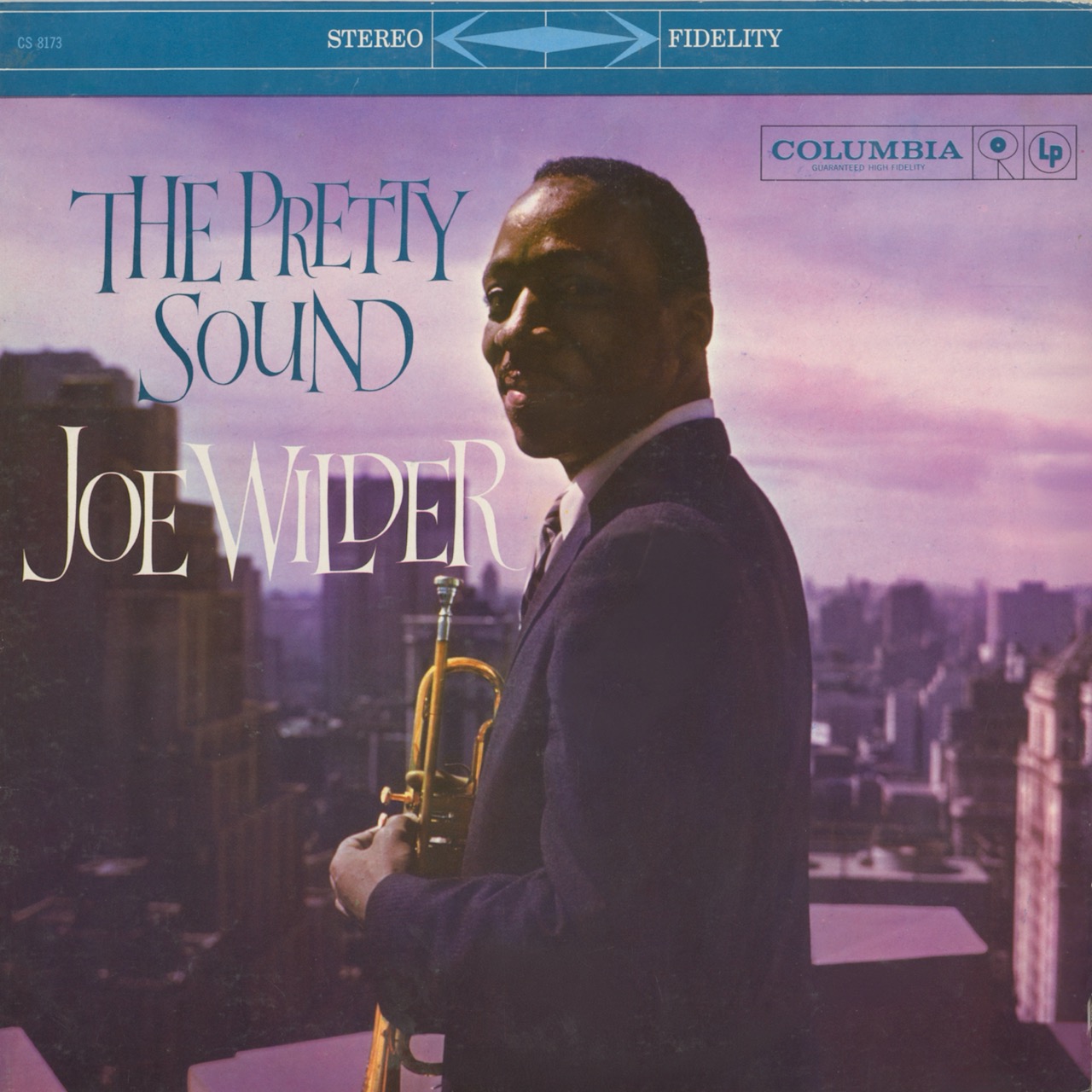
Metcalf recorded only one vinyl album, for Spivey in 1966. The personnel were different and the record came two decades after Café St Michel, but it remains the best recorded example of his work.
After a 1950 marijuana arrest, Metcalf chose to return to the United States rather than face a $200 fine and possible six-month sentence. Increasing raids, liquor violations and after-hours complaints eventually forced Café St Michel to close in 1953 after thirteen years.
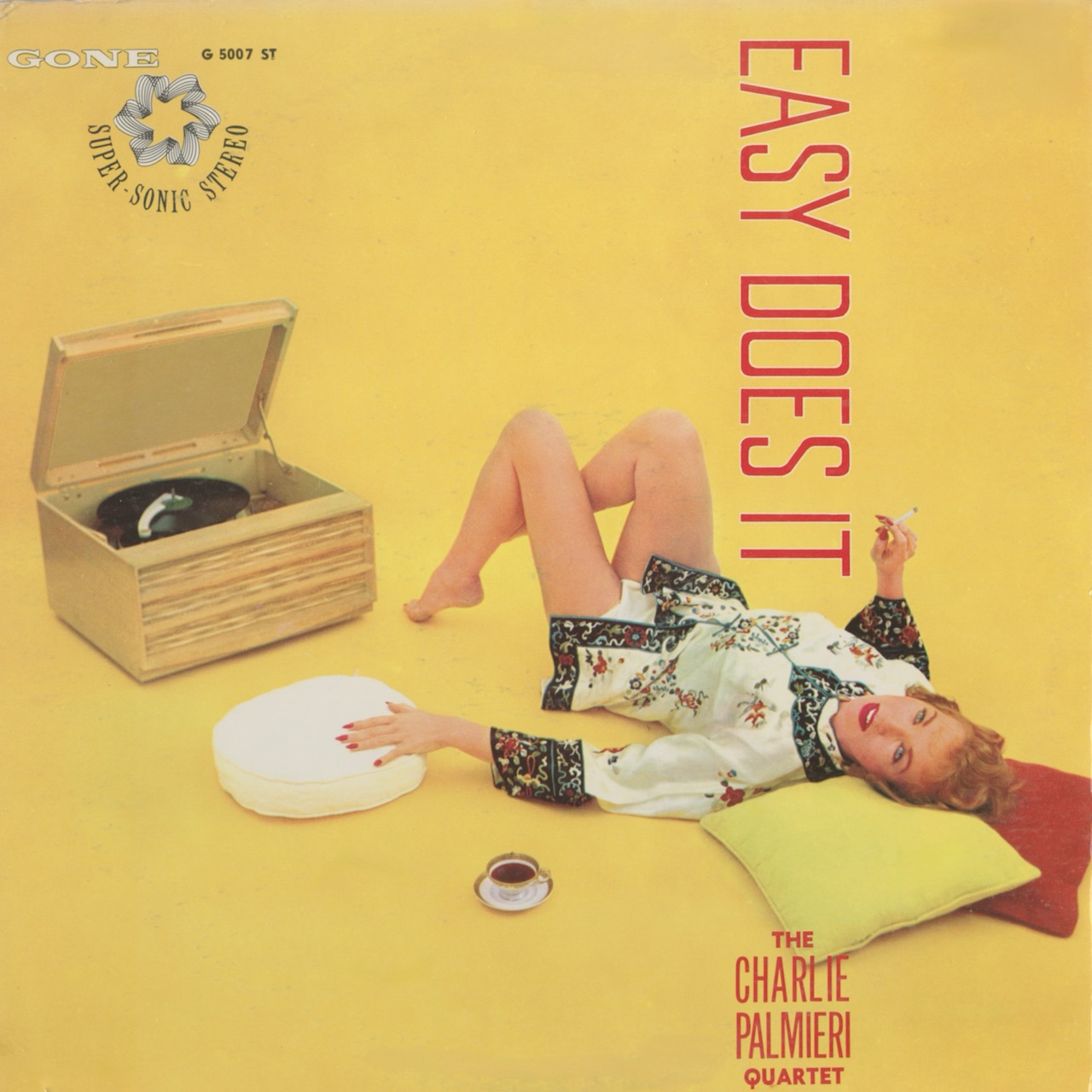
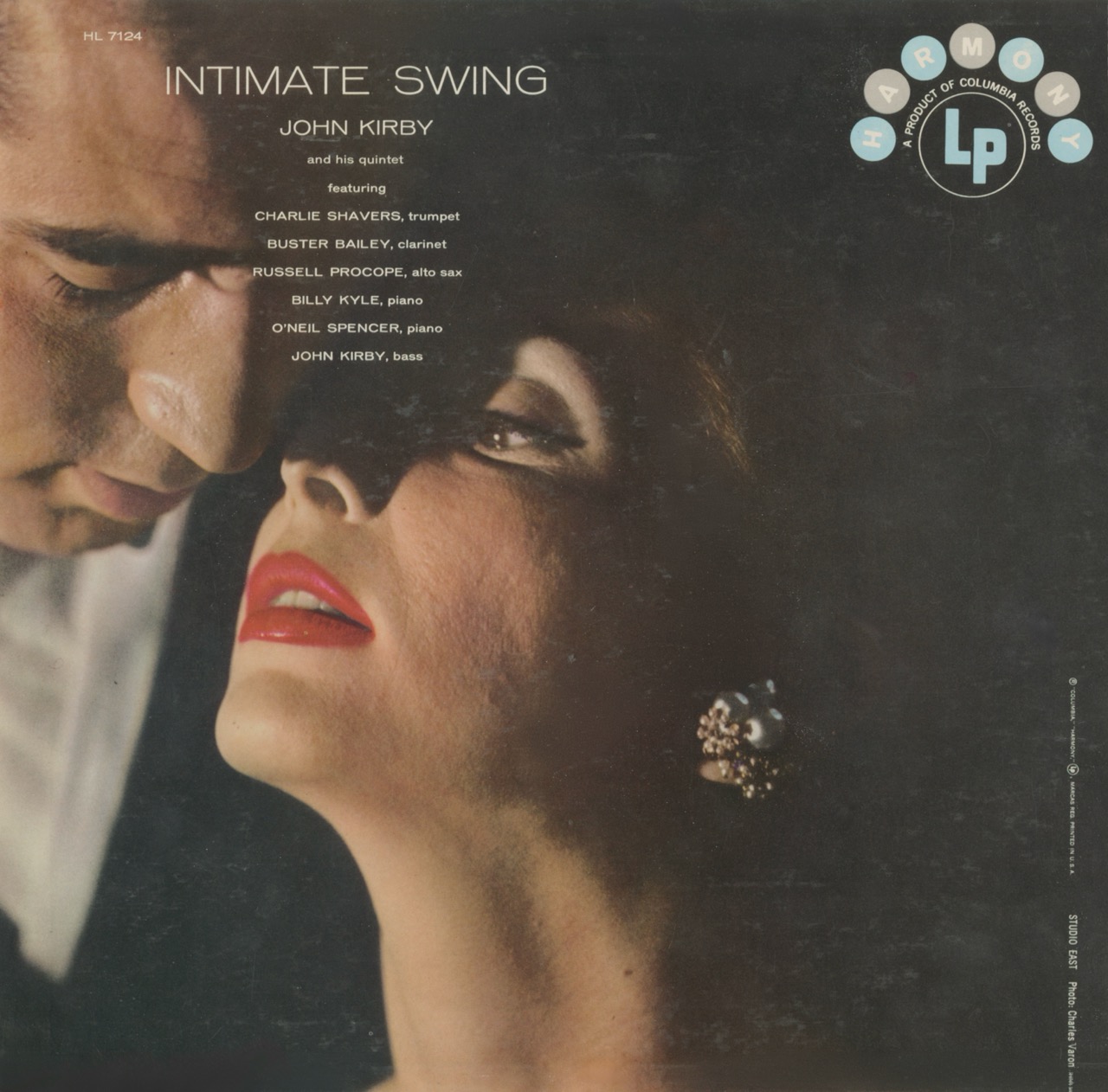
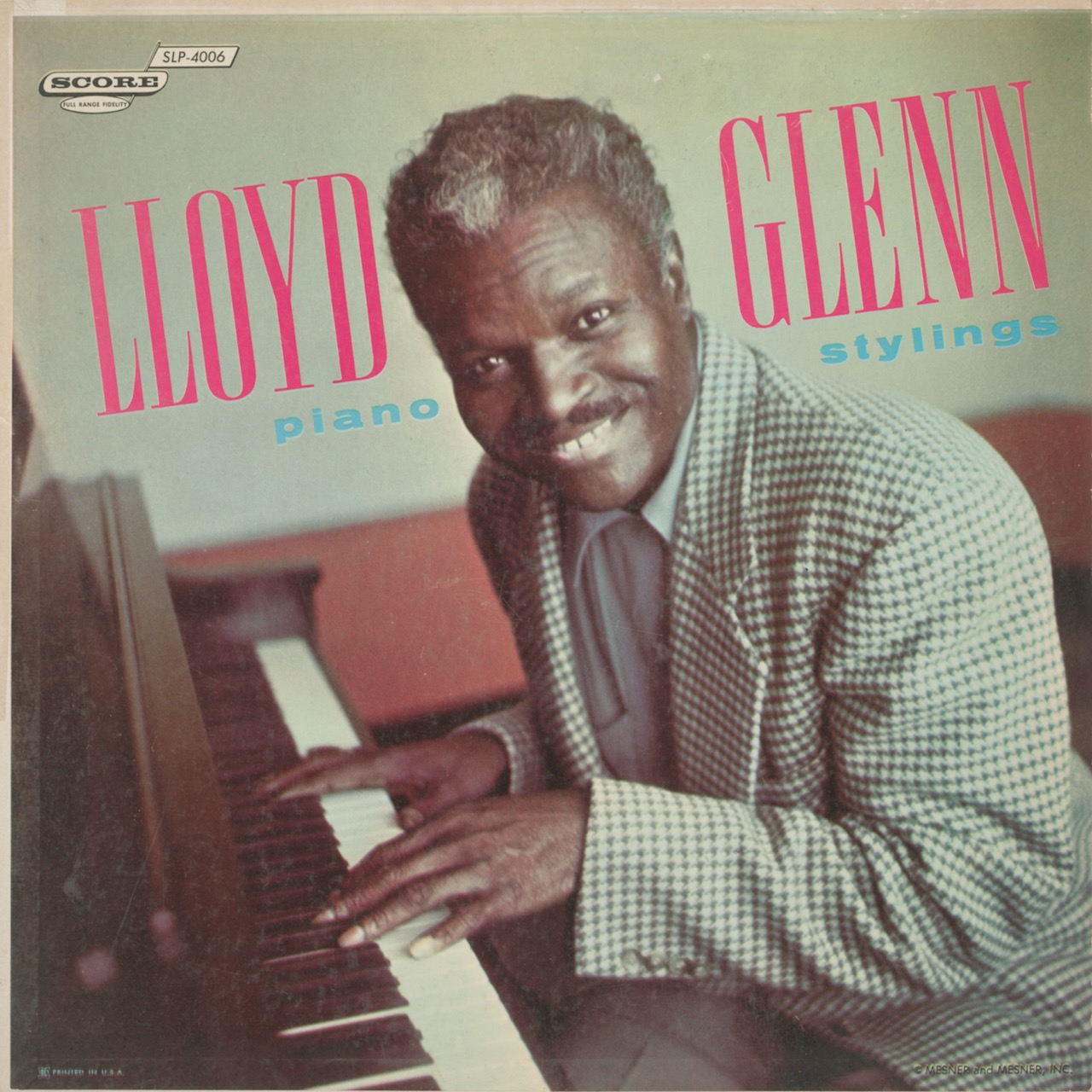
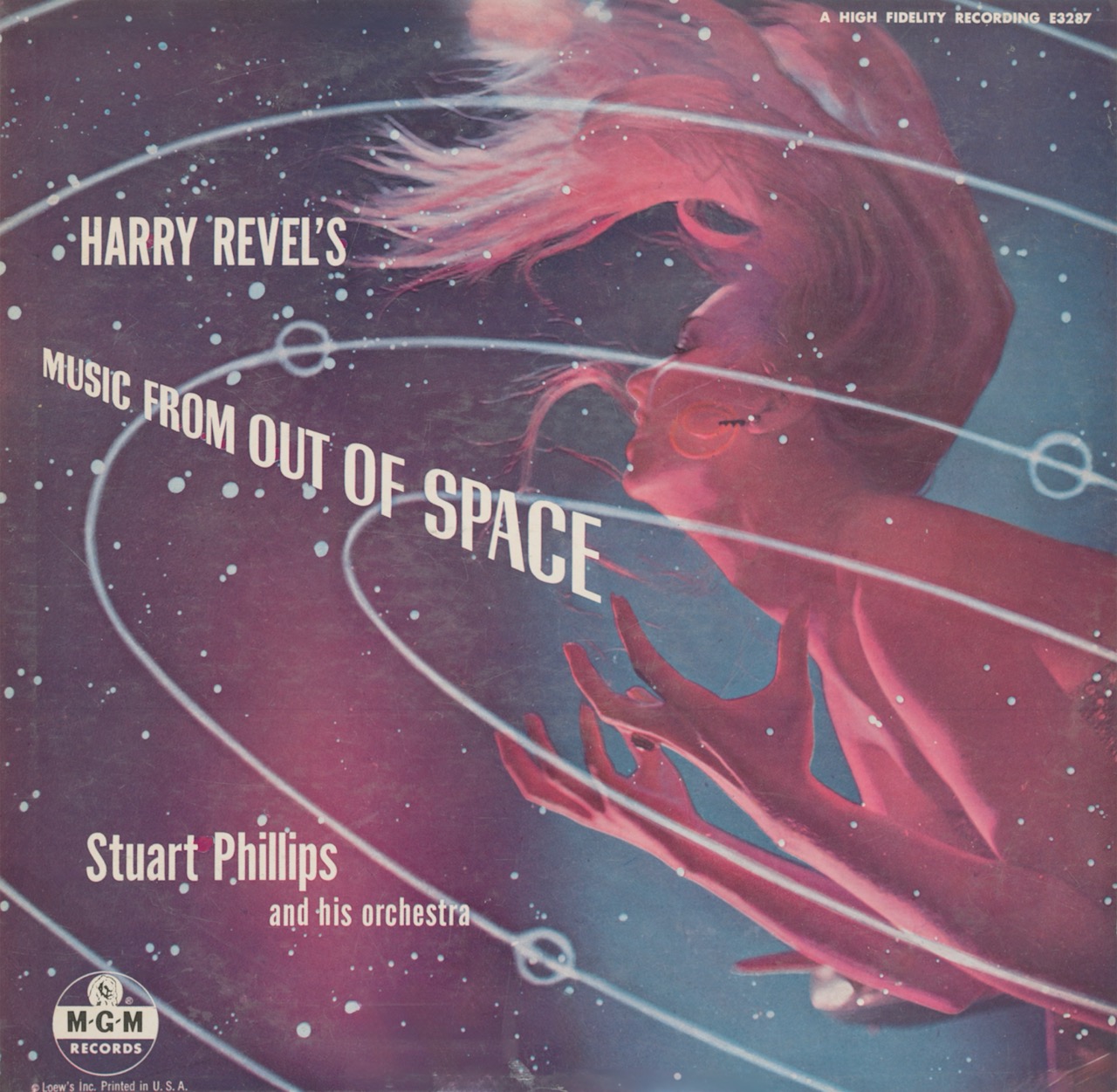
Beyond Little Burgundy
Other Rooms, Other Revues
Harlem Night at the Montmartre
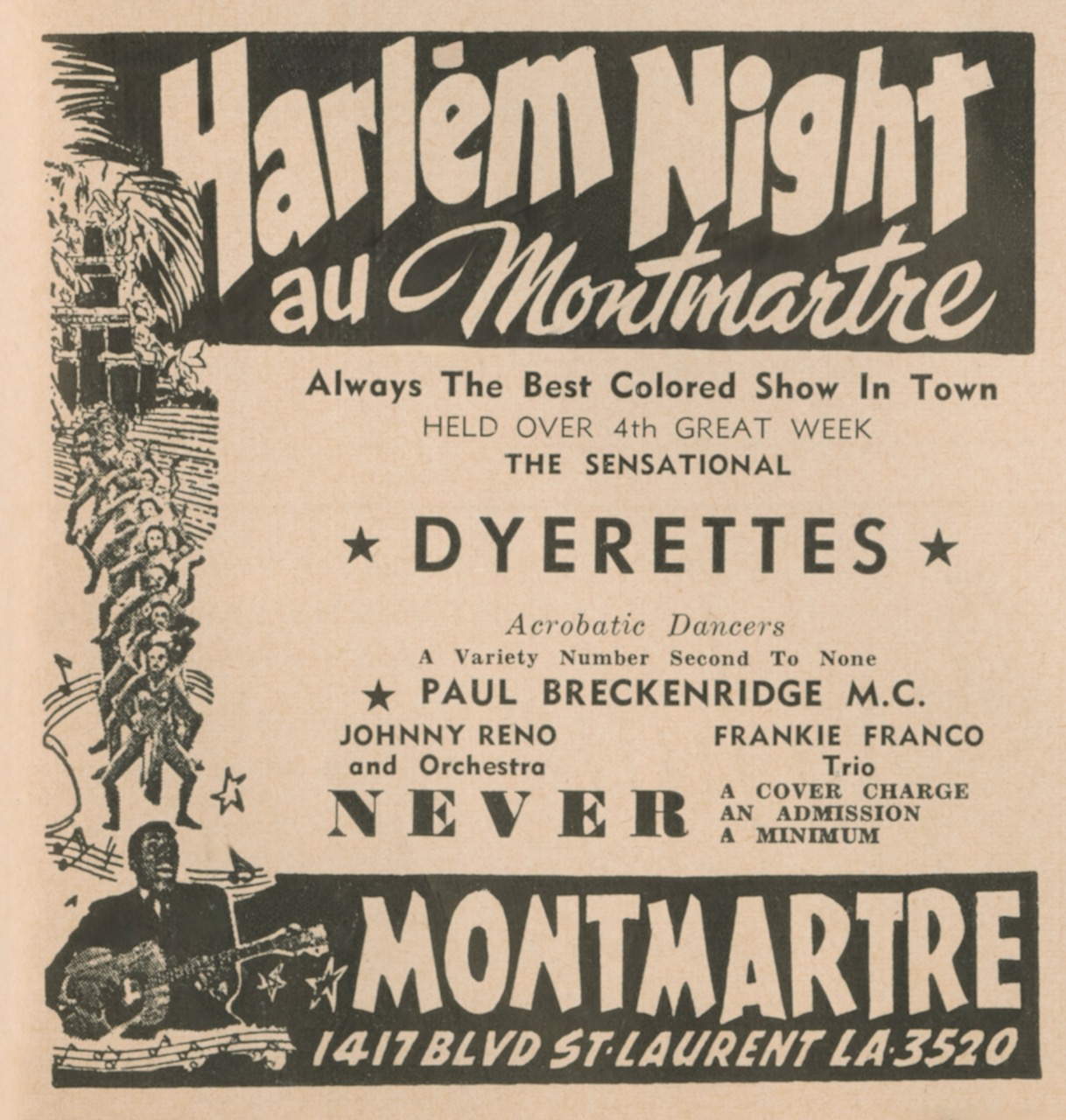
The Montmartre had several names and identities between its opening in the mid-1930s and closure in 1970, presenting music from jazz to French pop.
It did not host Harlem revues exclusively, but featured Harlem evenings in its lineup. One advertisement highlights the Dyerettes, billed as acrobatic dancers—an excellent example of the variety within a revue—and master of ceremonies Paul Breckenridge, a singer with the Four Heavenly Knights.
The Black Orchid Casino
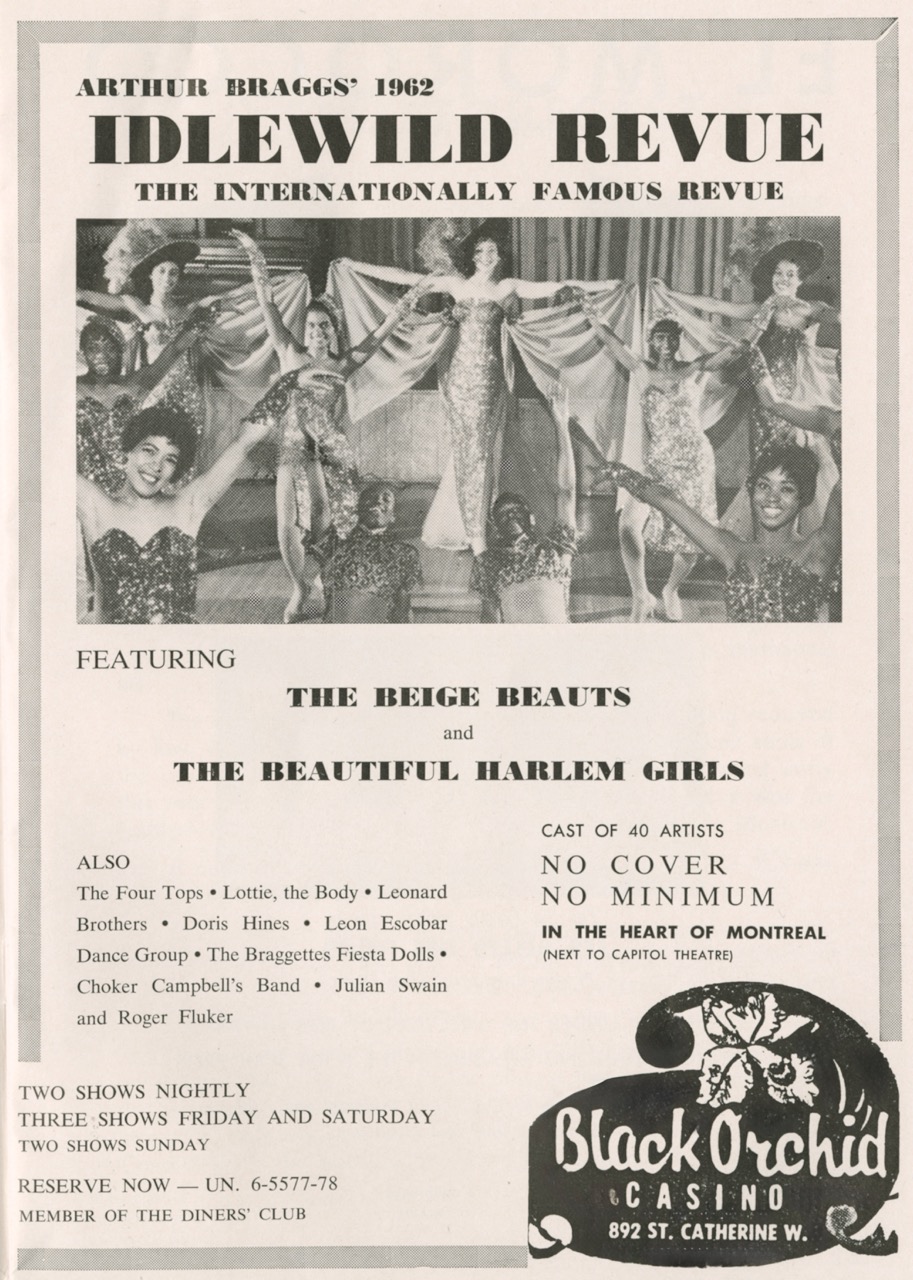
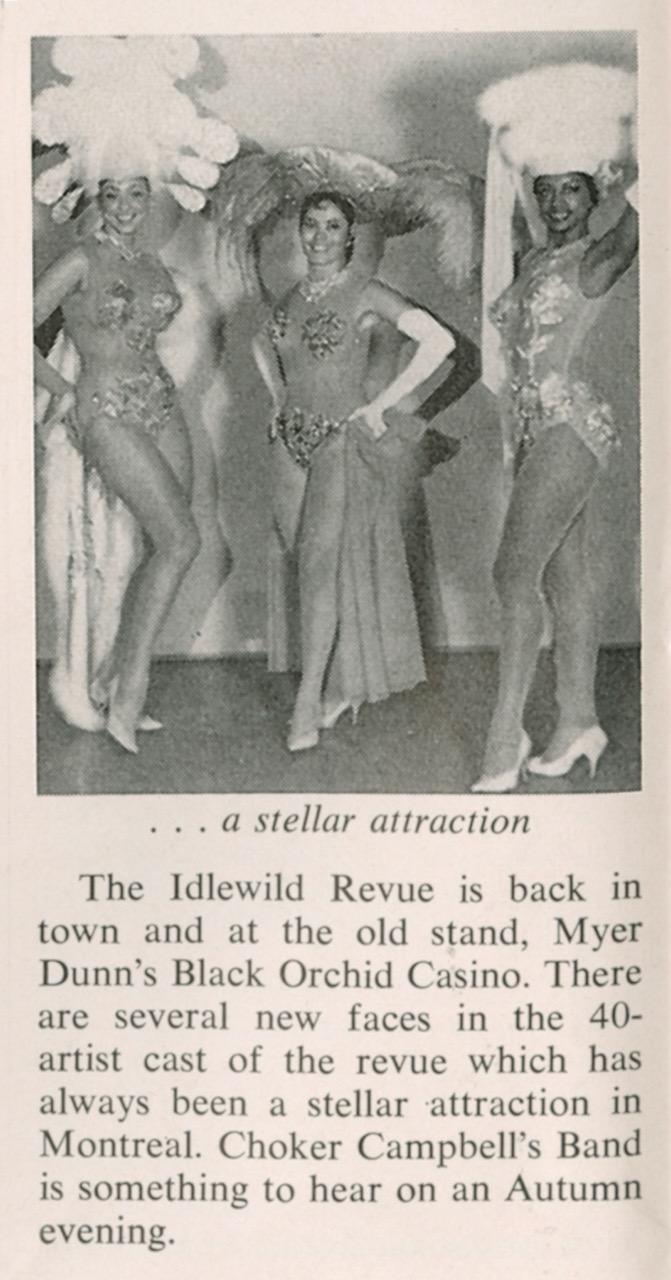
Located above Dunn’s Delicatessen, the venue opened in January 1958 as the jazz club Birdland and became the more eclectic Black Orchid Casino that June. It presented the Creole Beige Revue and the Idlewild Revue between 1959 and 1962.
Police raids, alleged liquor infractions and waning interest in the cabaret scene contributed to its closure in 1965.
Three shows a night
Life in a Touring Revue
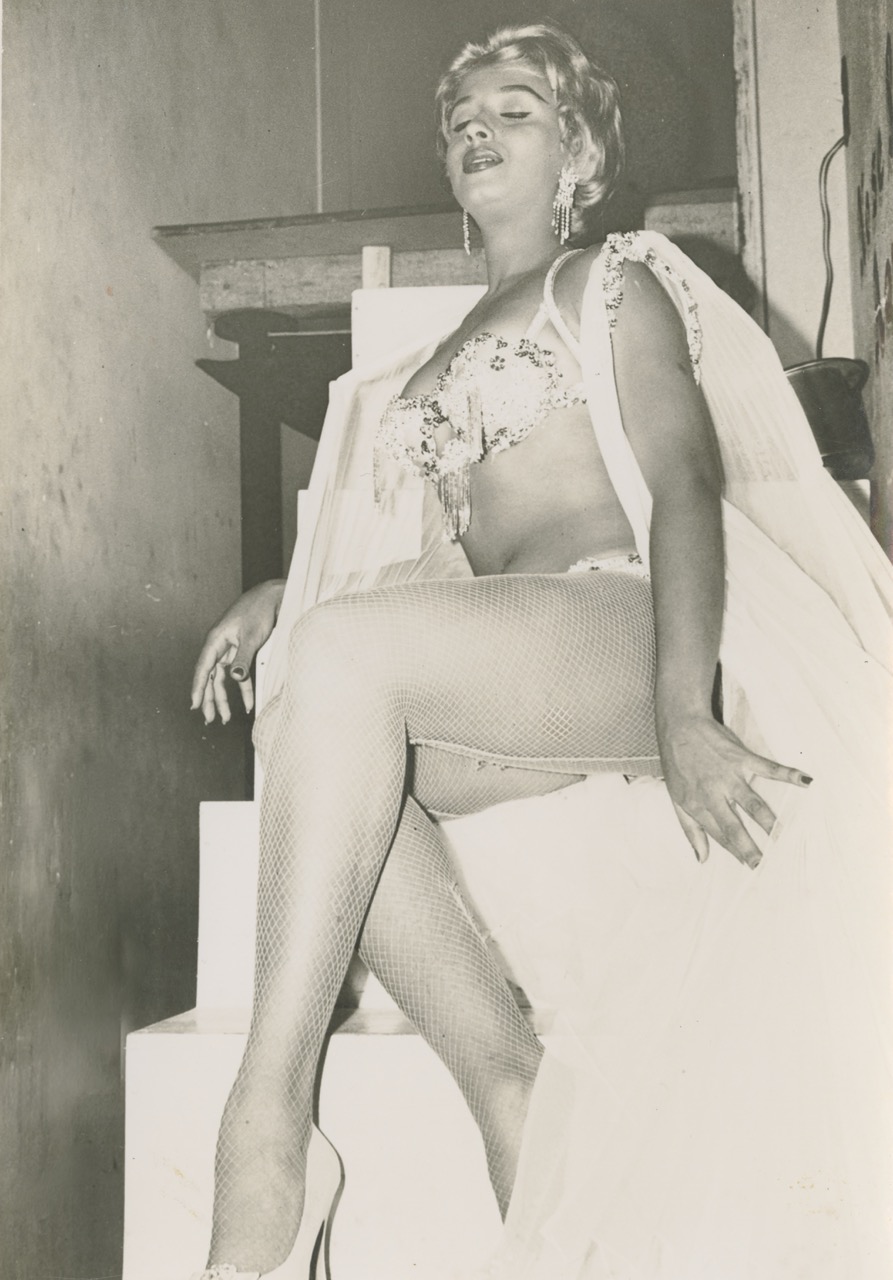
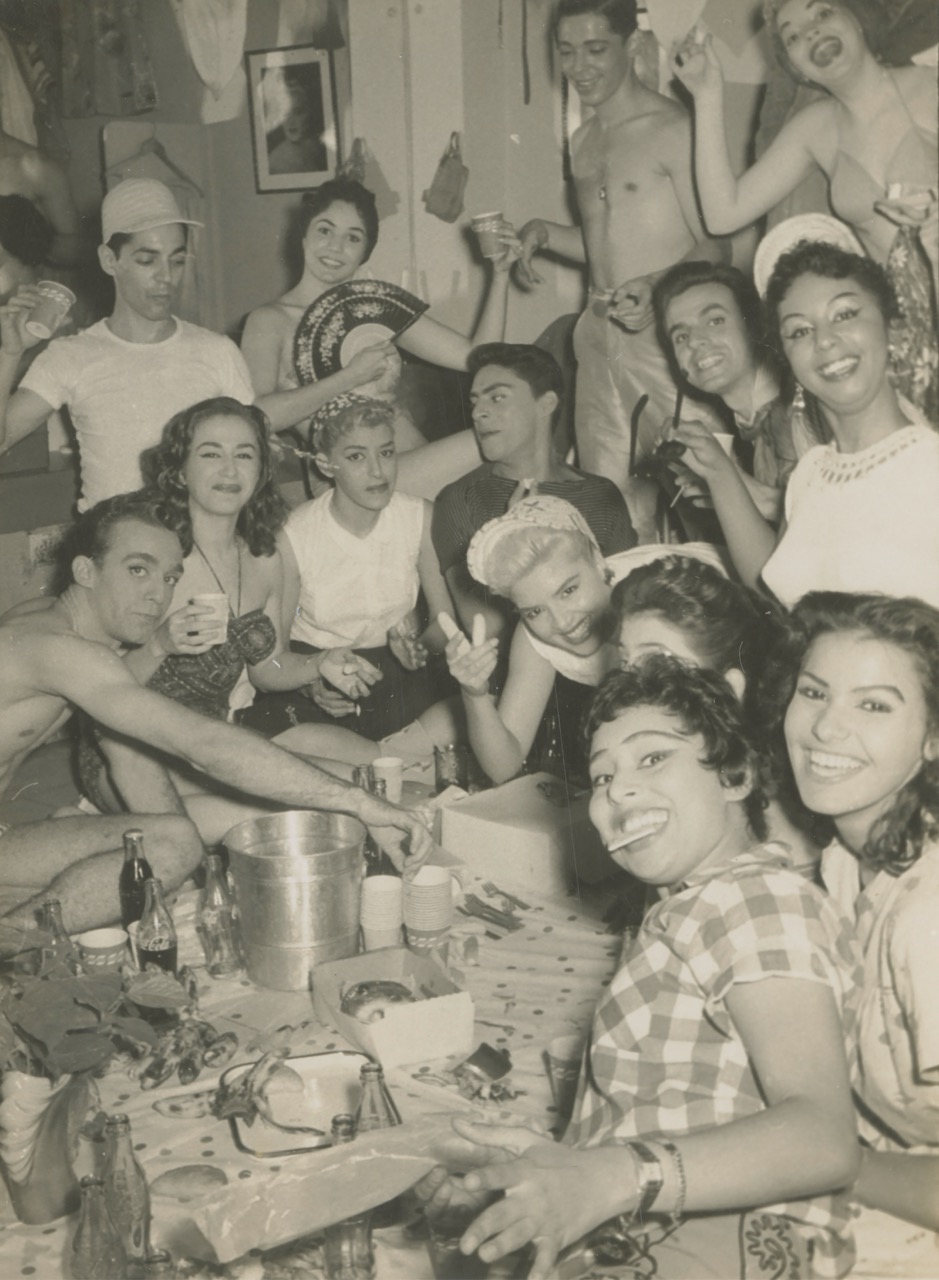
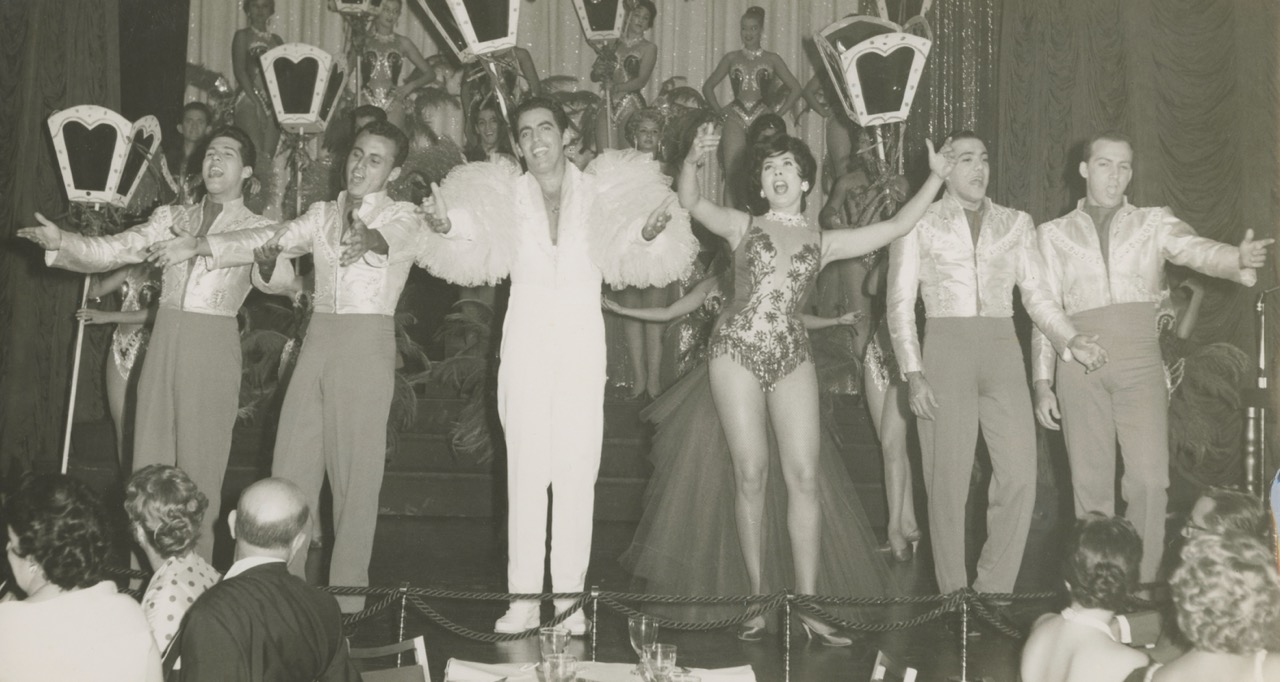
Behind the Glitter
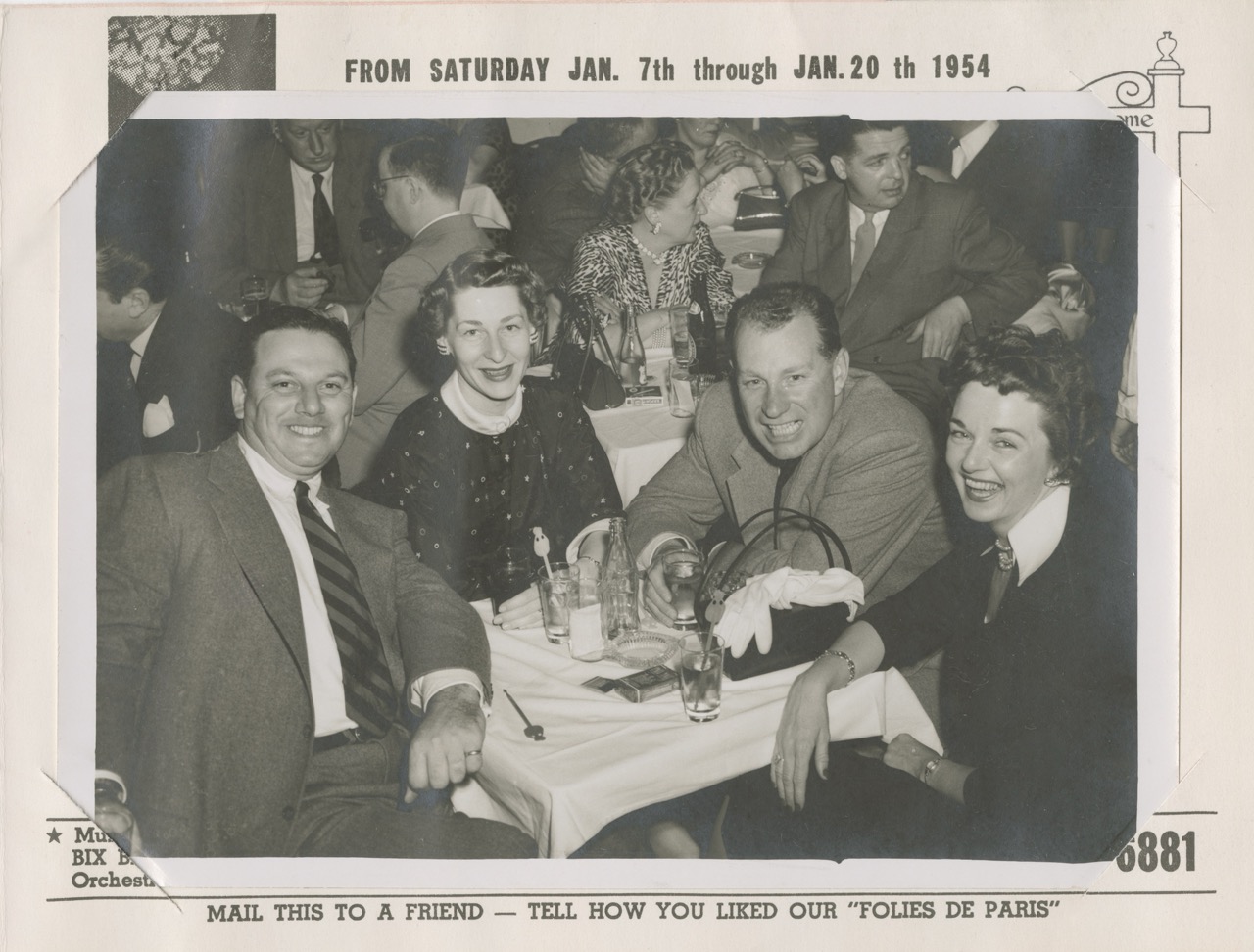
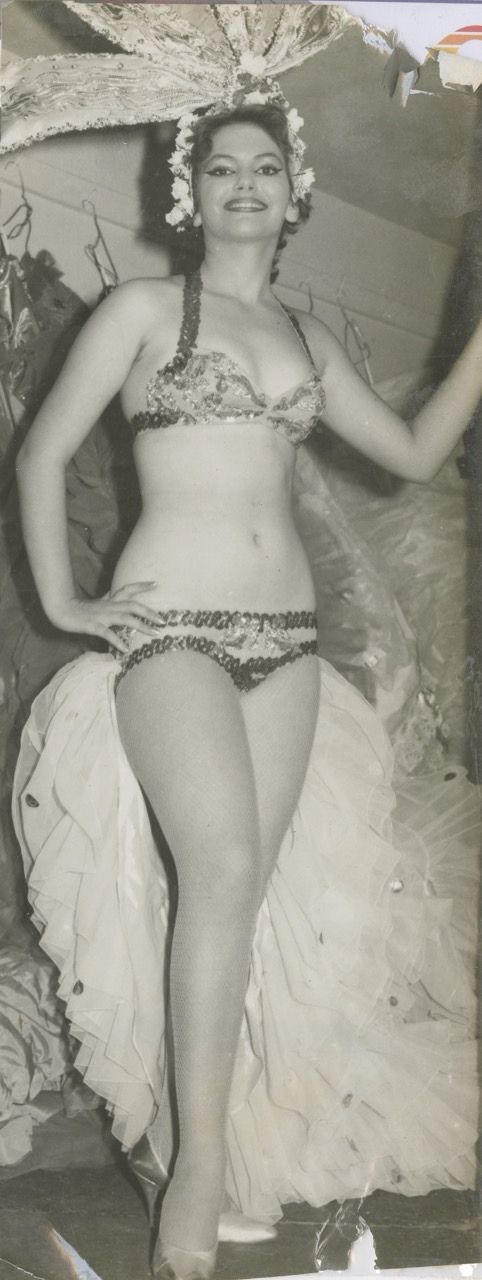
A revue dancer’s life was not easy. Performers often appeared in three shows a night, bringing extreme physical exhaustion. Despite the hard work, a close camaraderie grew among performers and crew on tour.
Harlem revues also reached other Canadian cities. A 1956 poster advertising the Gregory Theatre in Oakville, Ontario—held in the VinylCentric Archive—provided the inspiration for this exhibit’s name.
From stage to record
The Revue Lives On
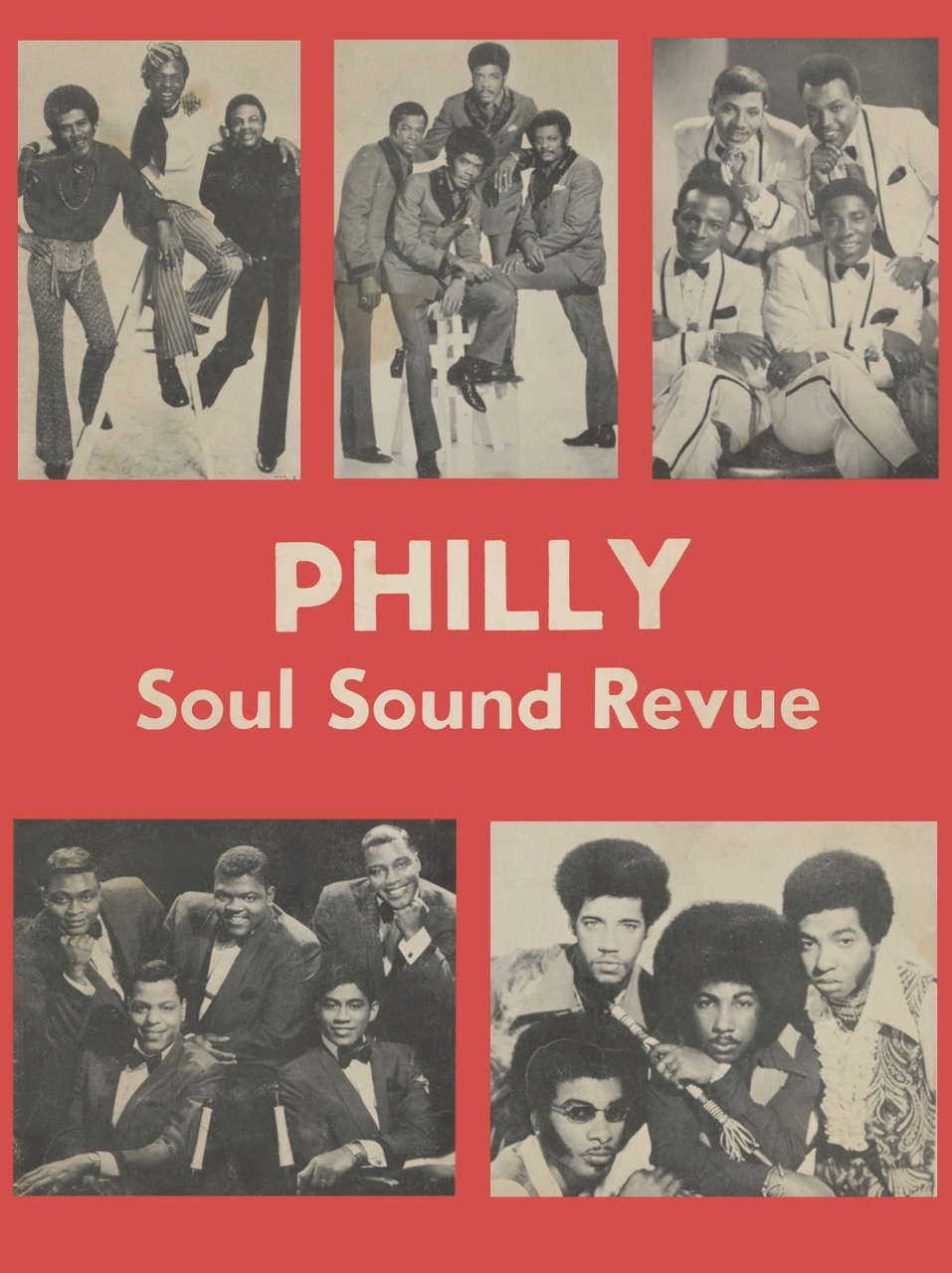
Television, Vinyl and Soul
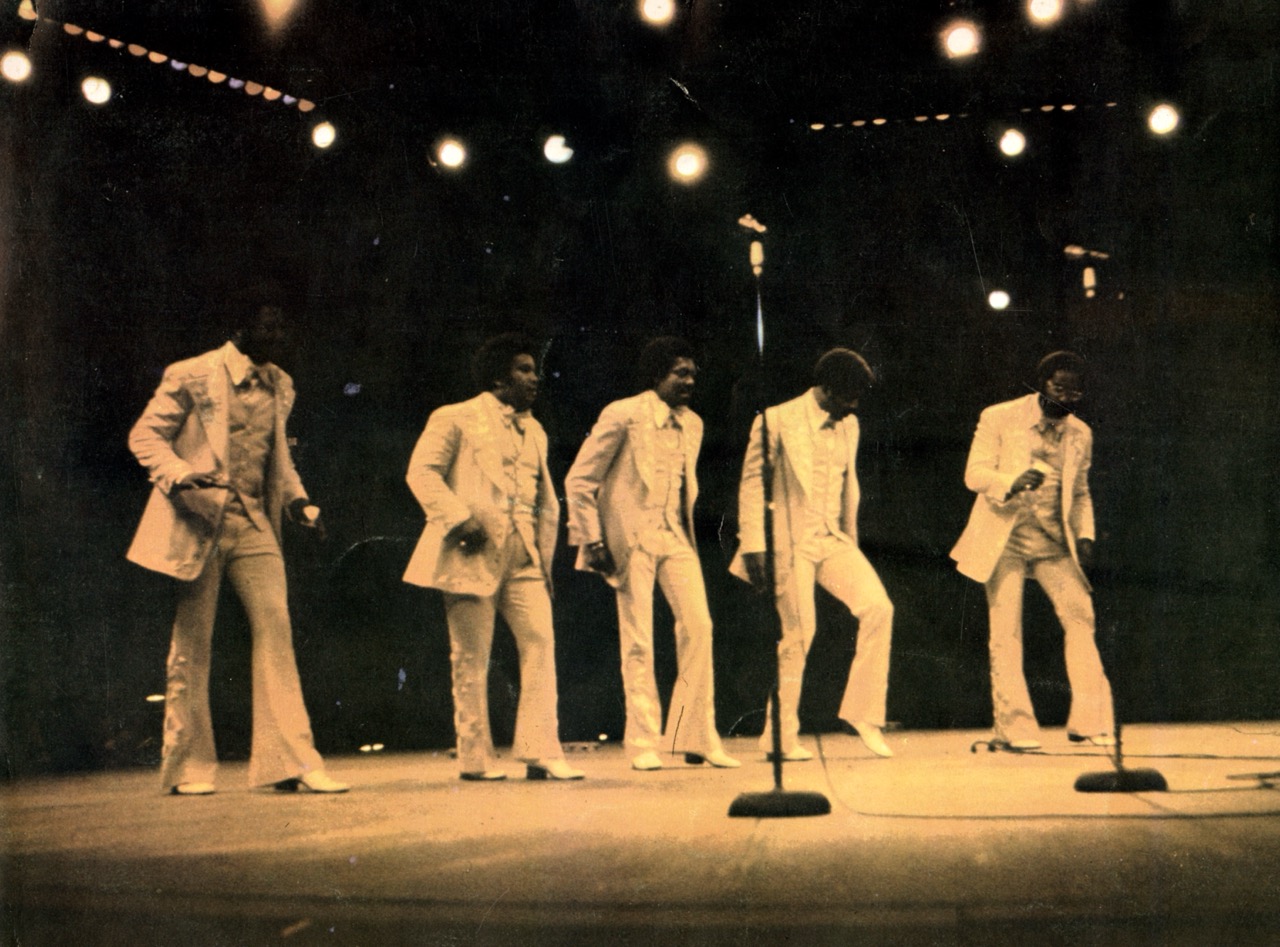
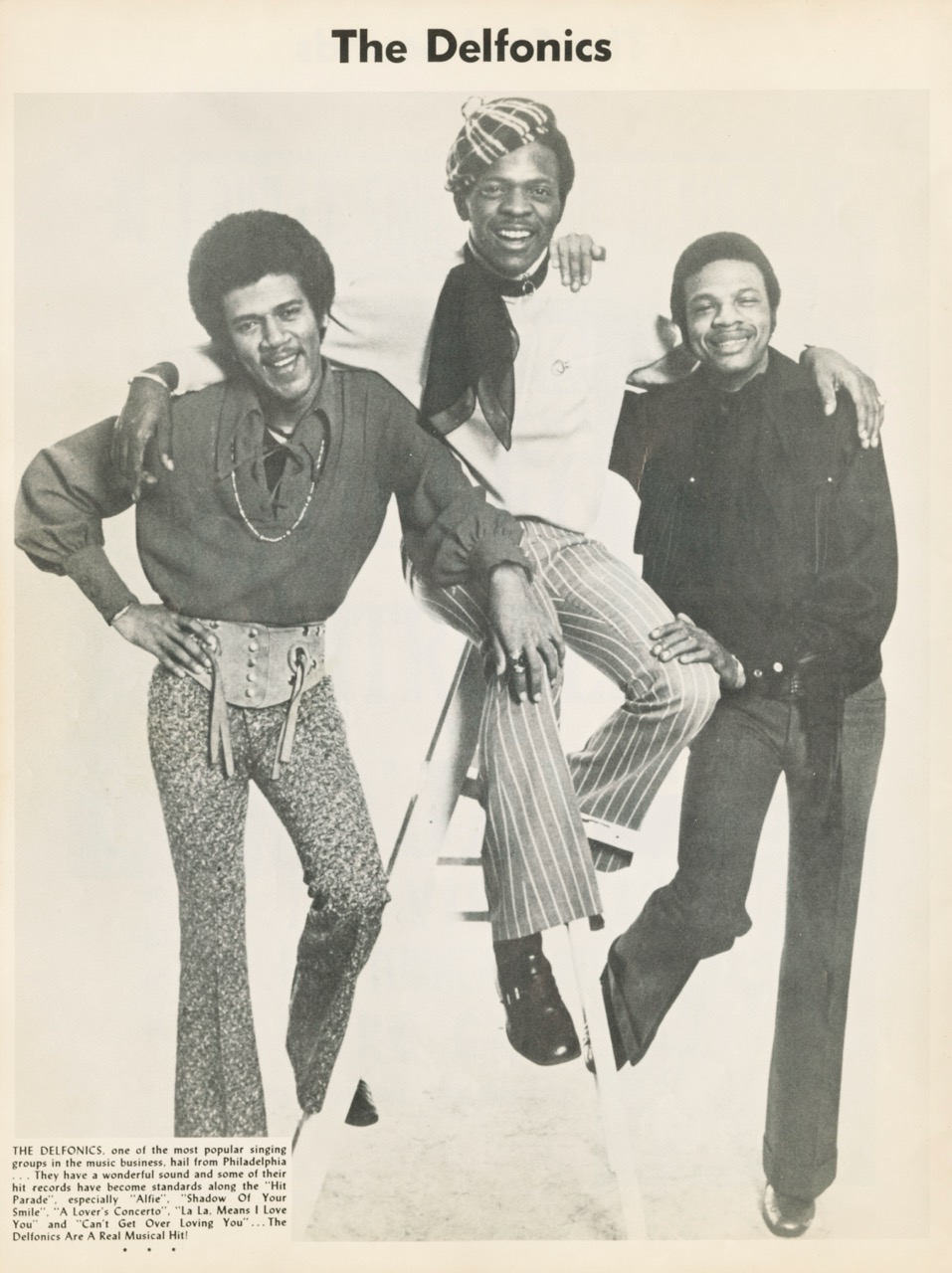
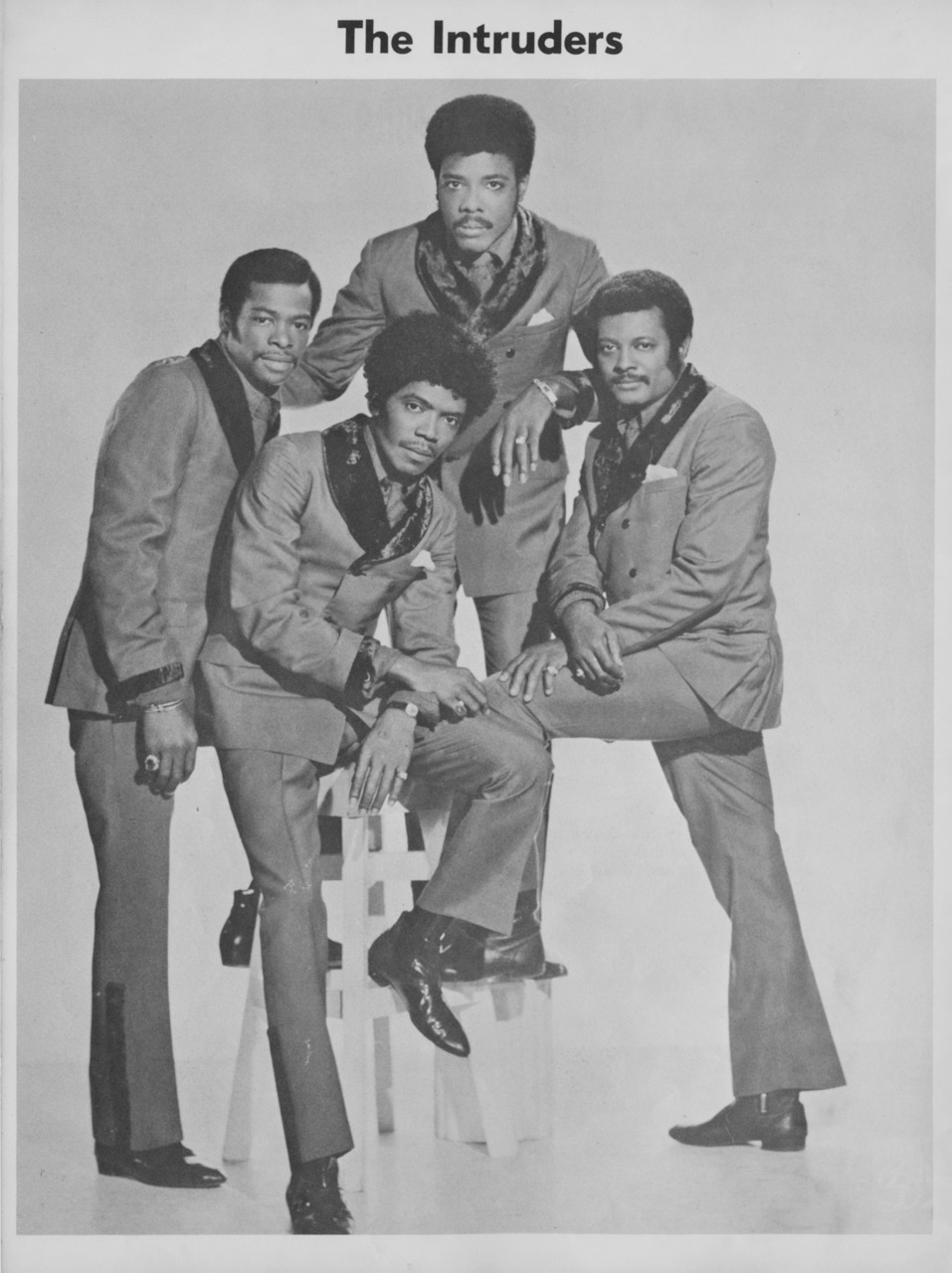
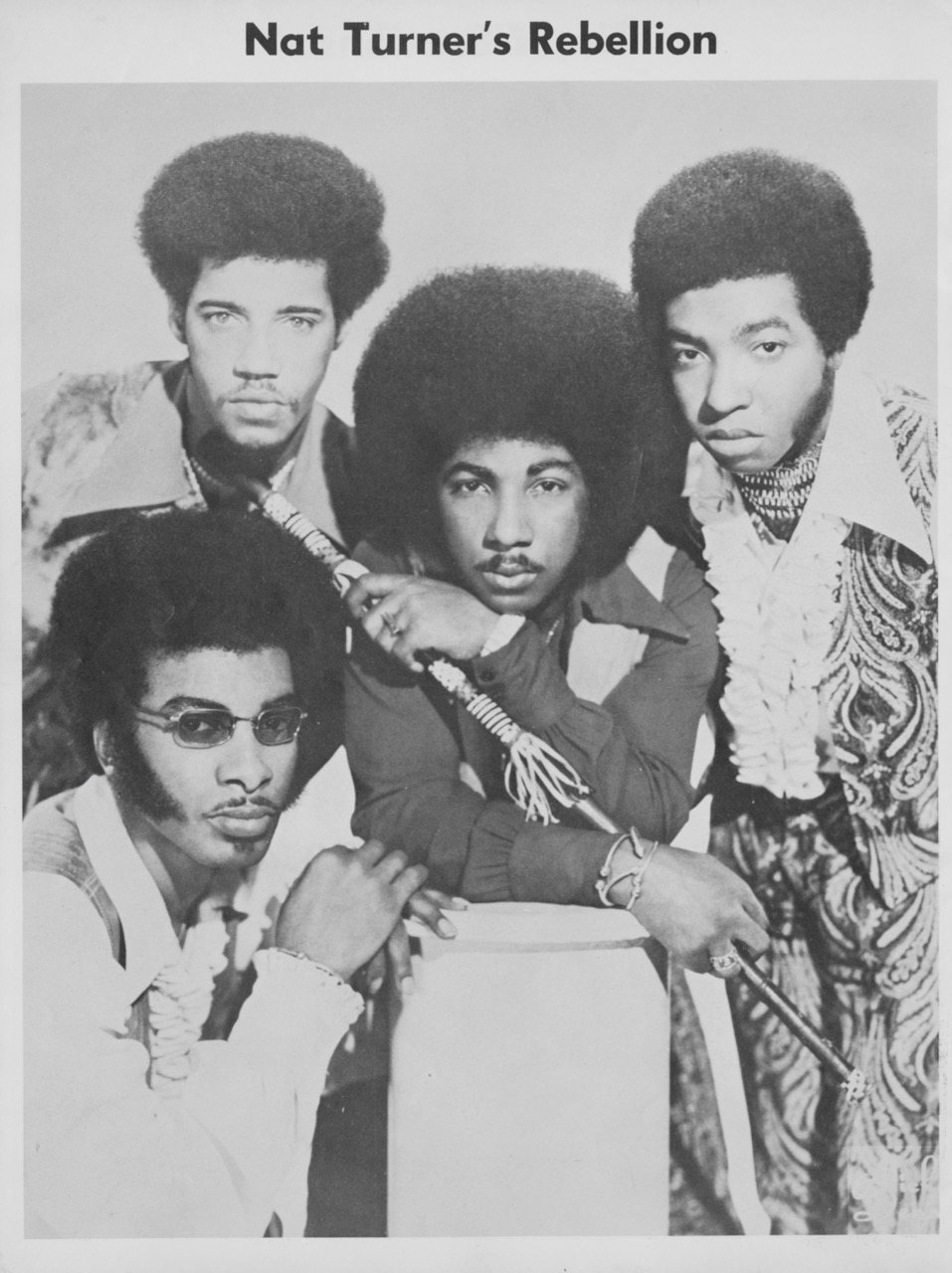
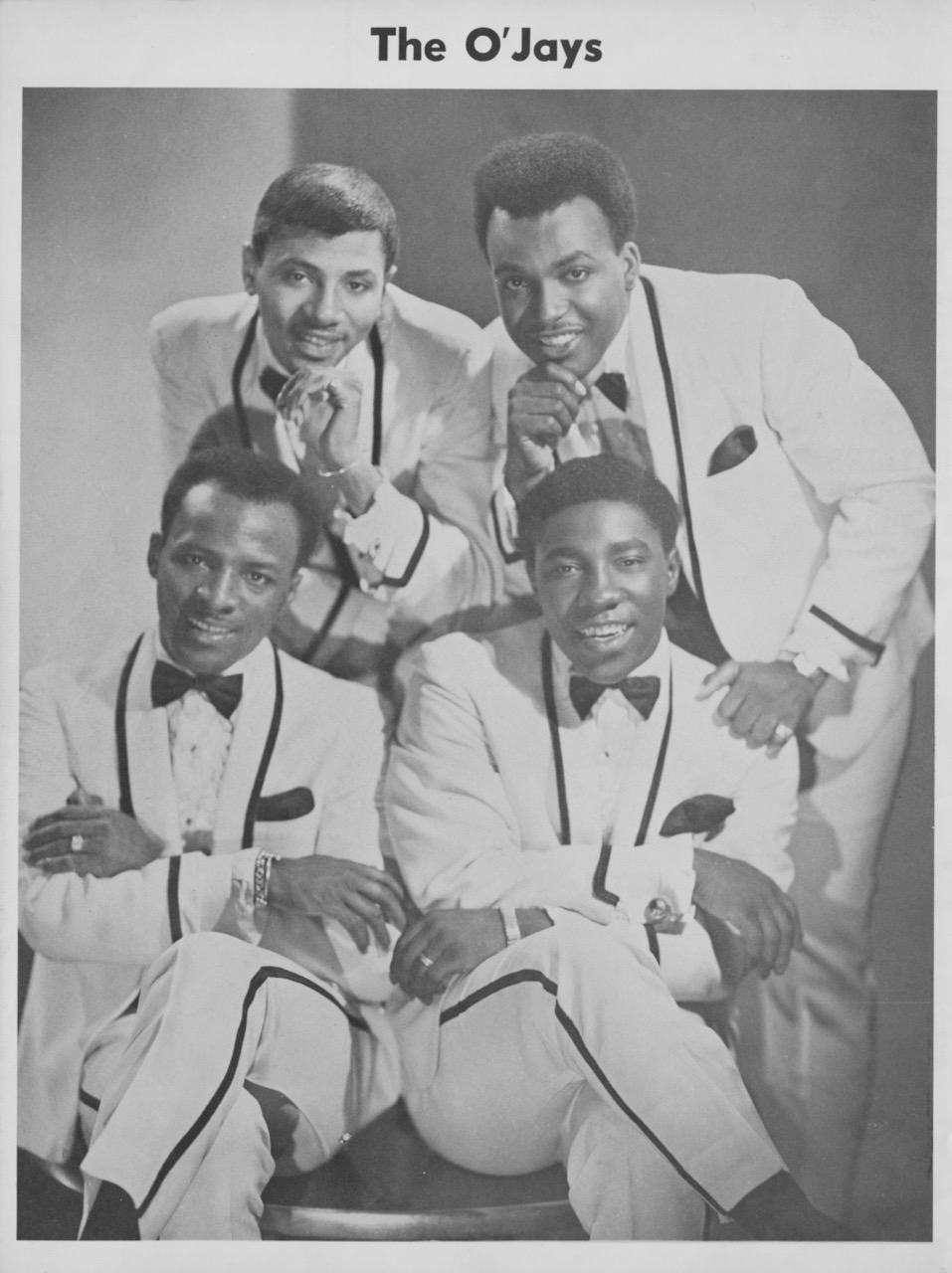
The spirit of the revue continued into the age of television and vinyl. The comedians, dancers and acrobats largely disappeared; musical performance moved to the centre.
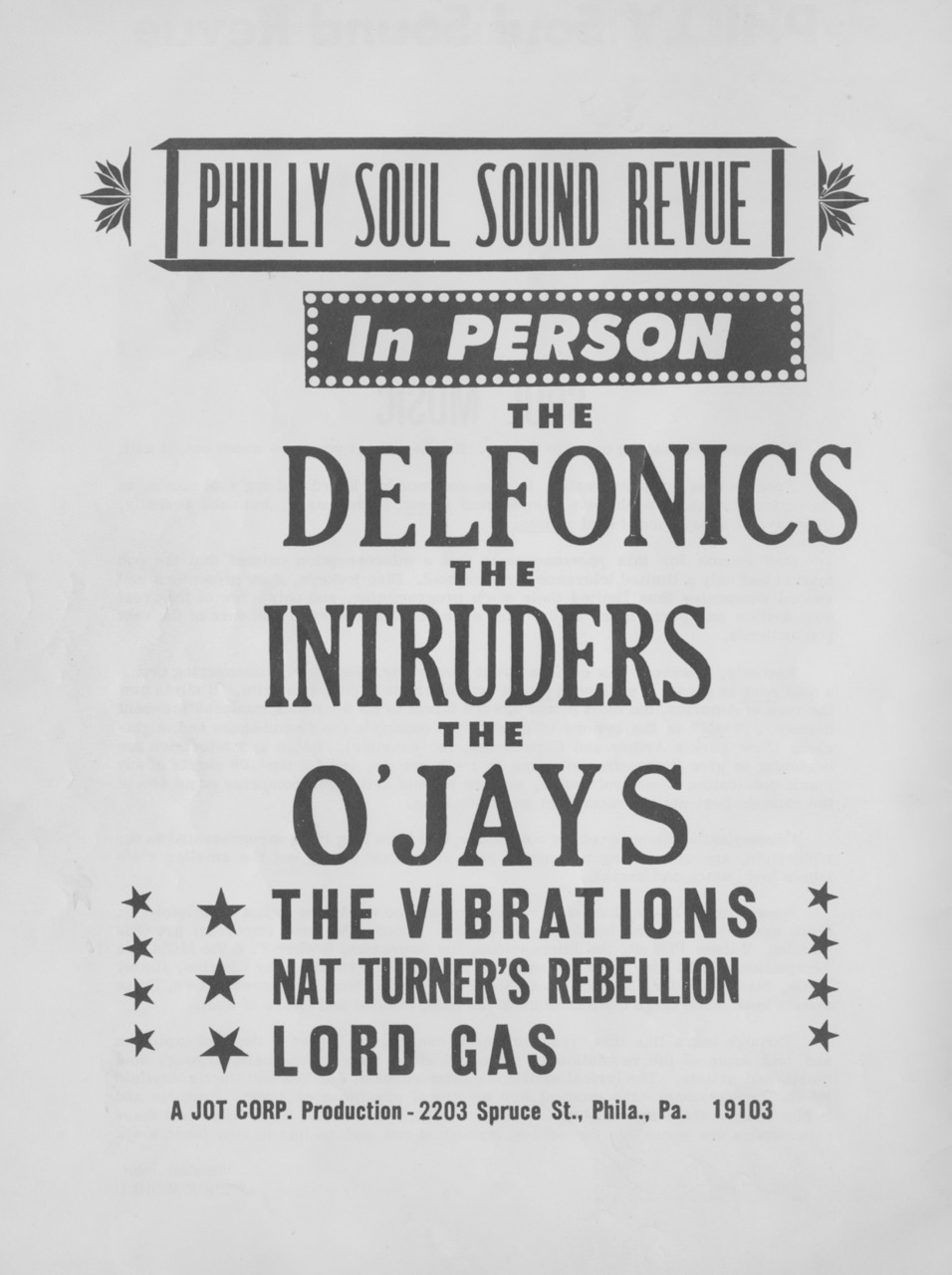
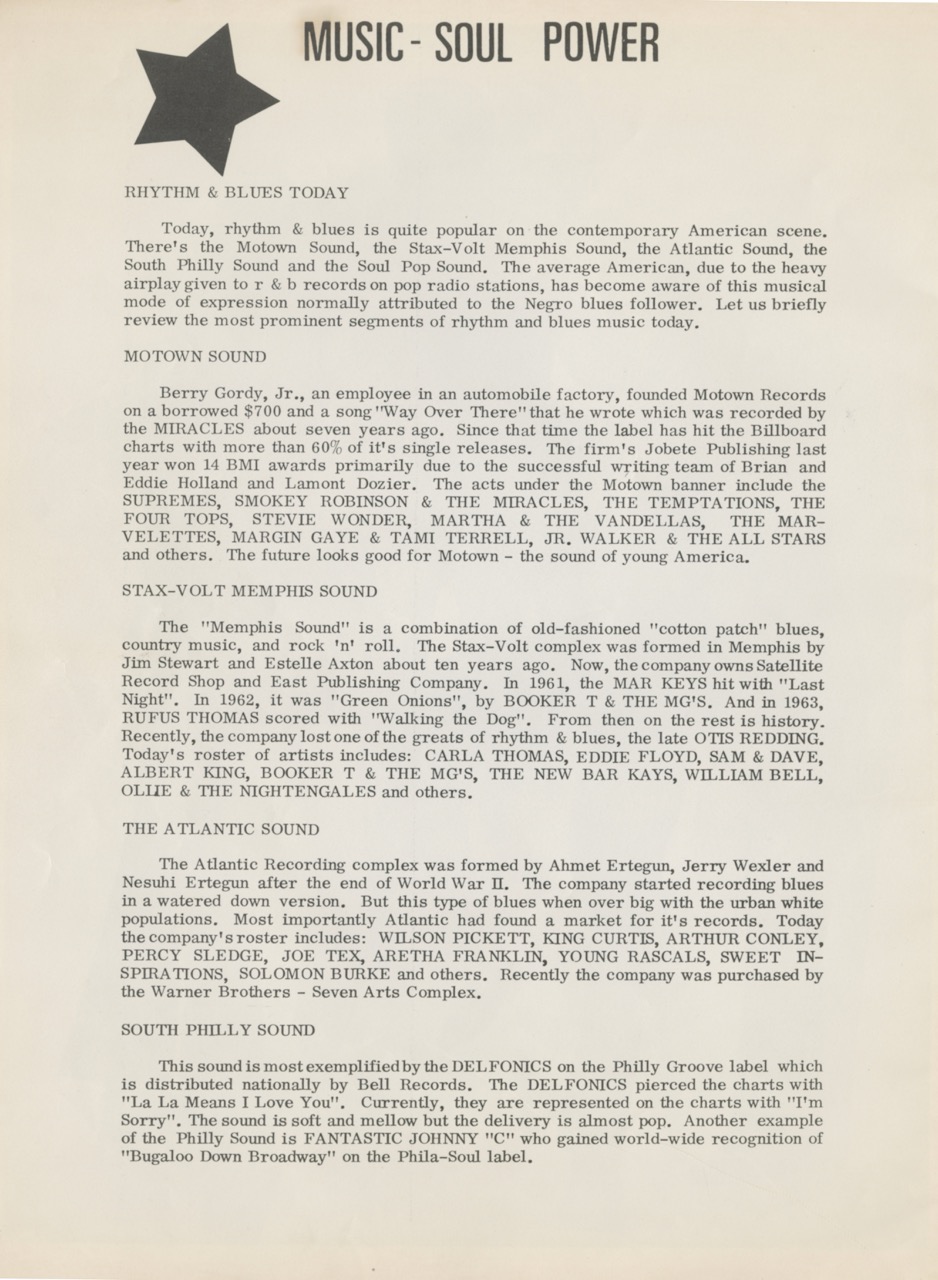
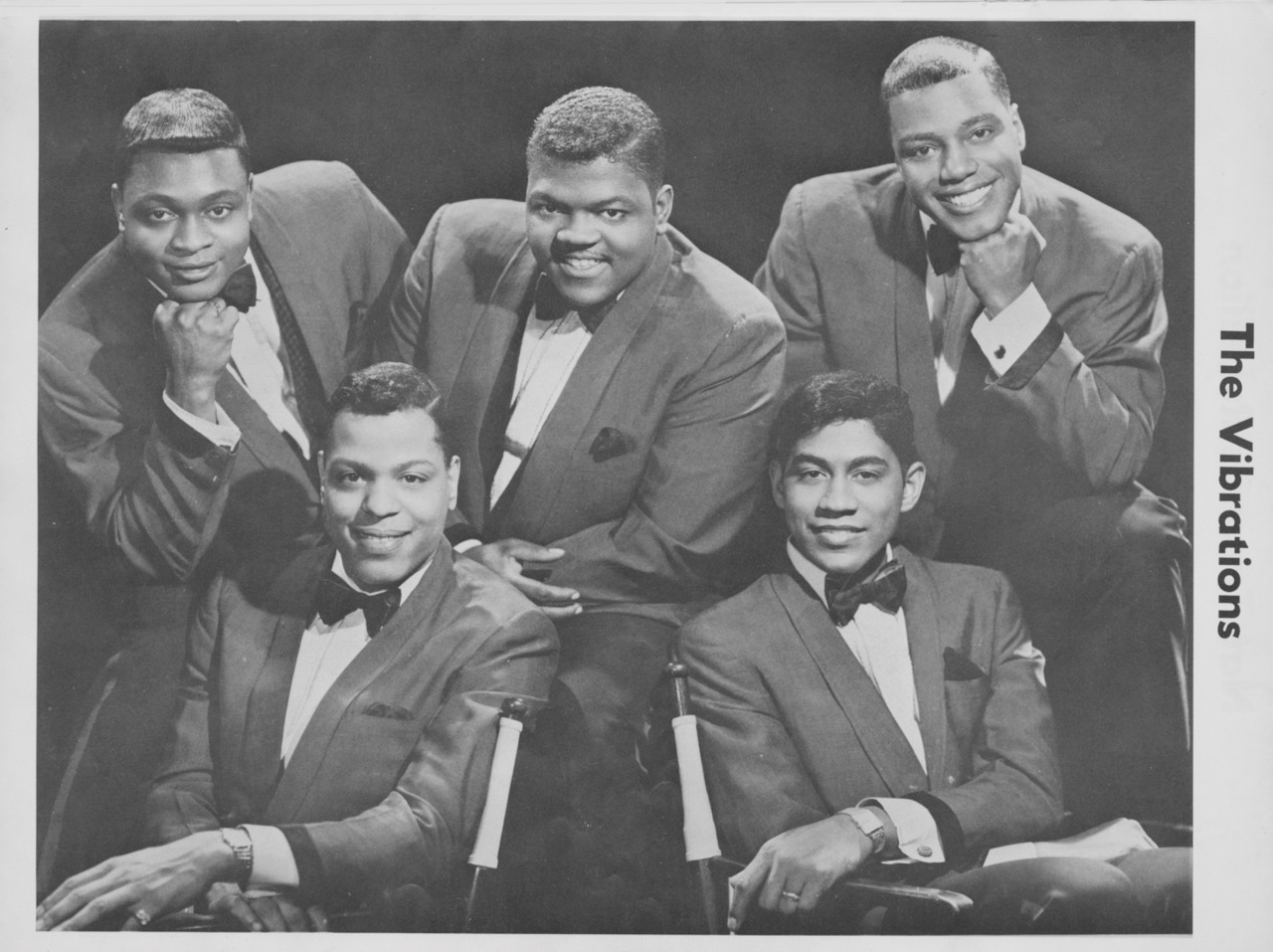
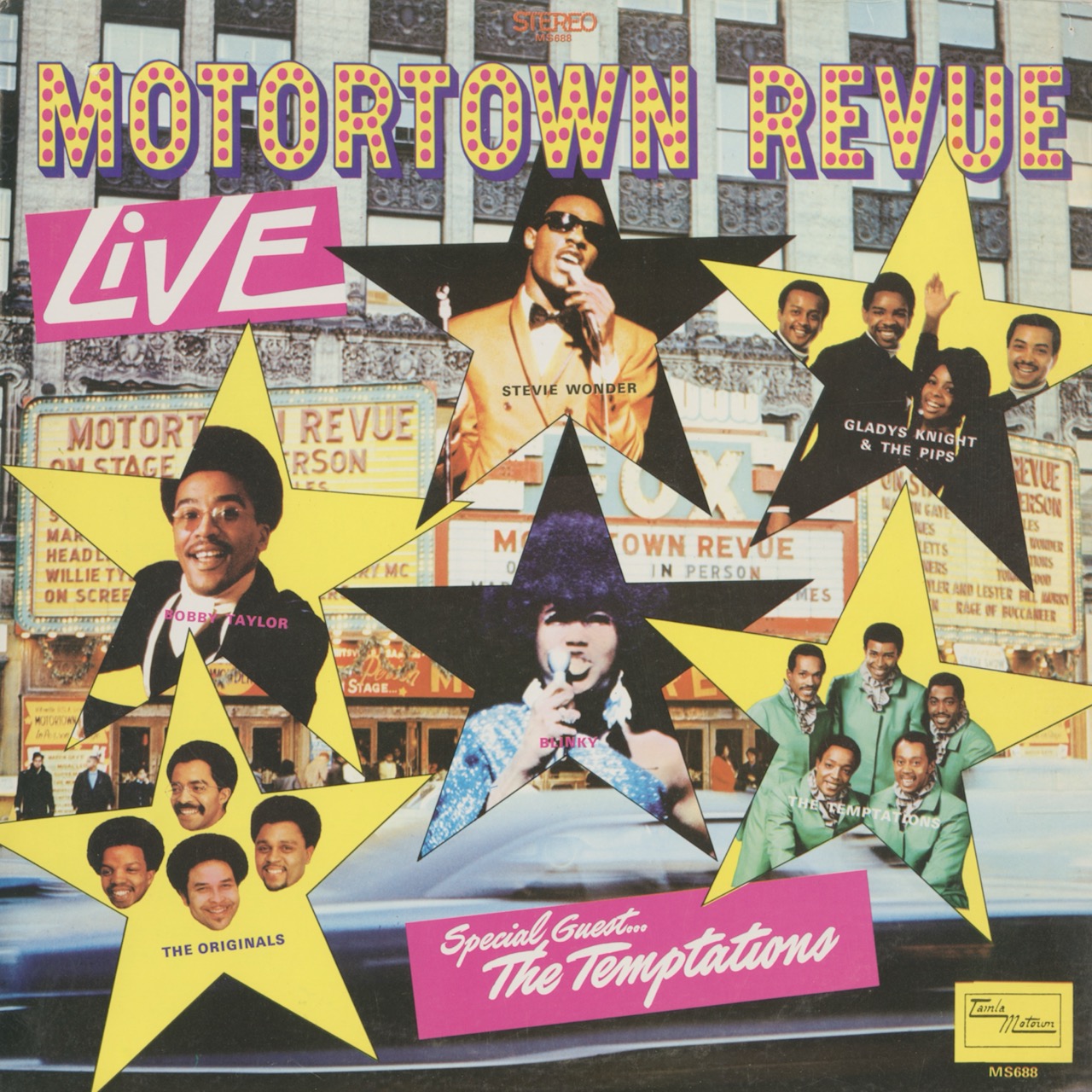
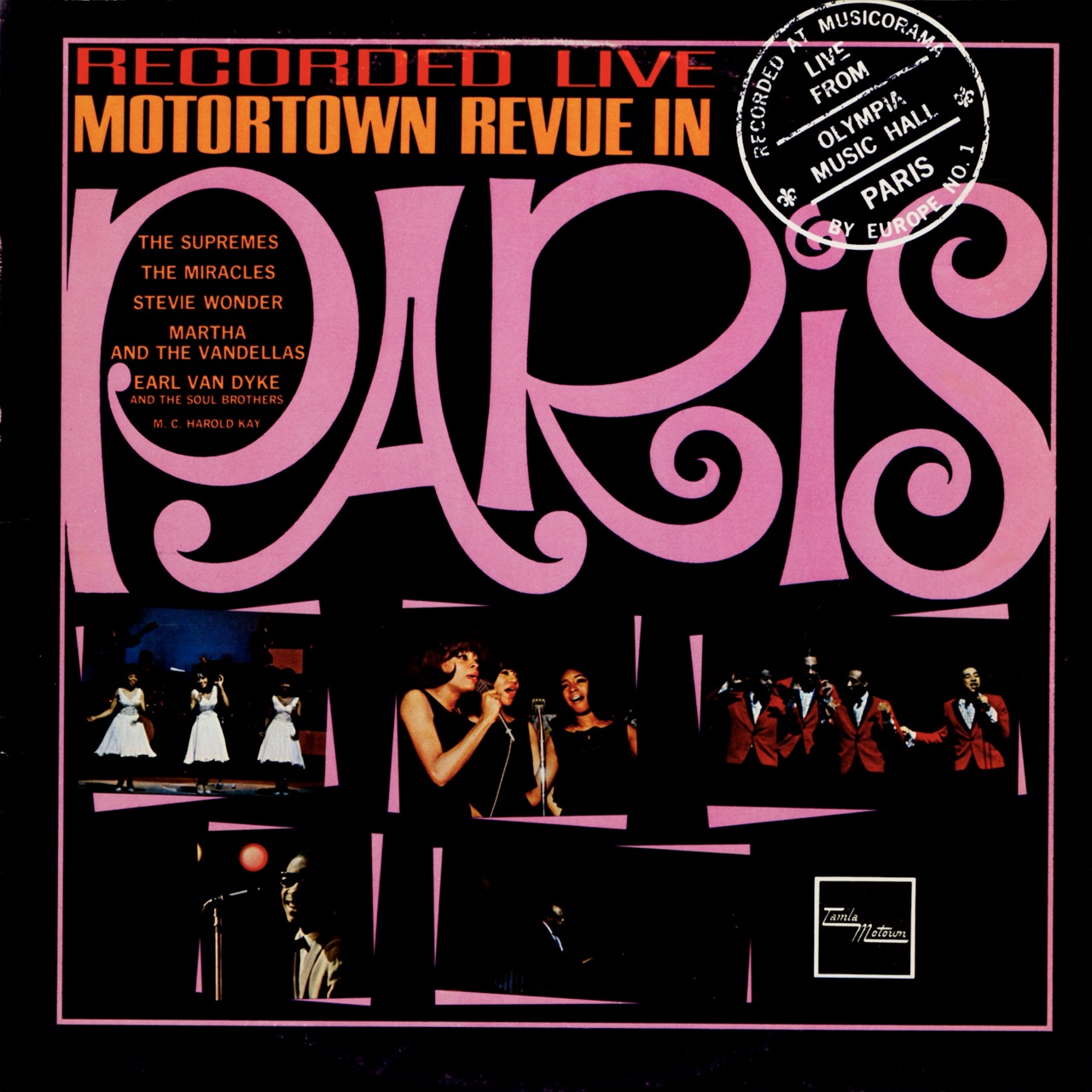
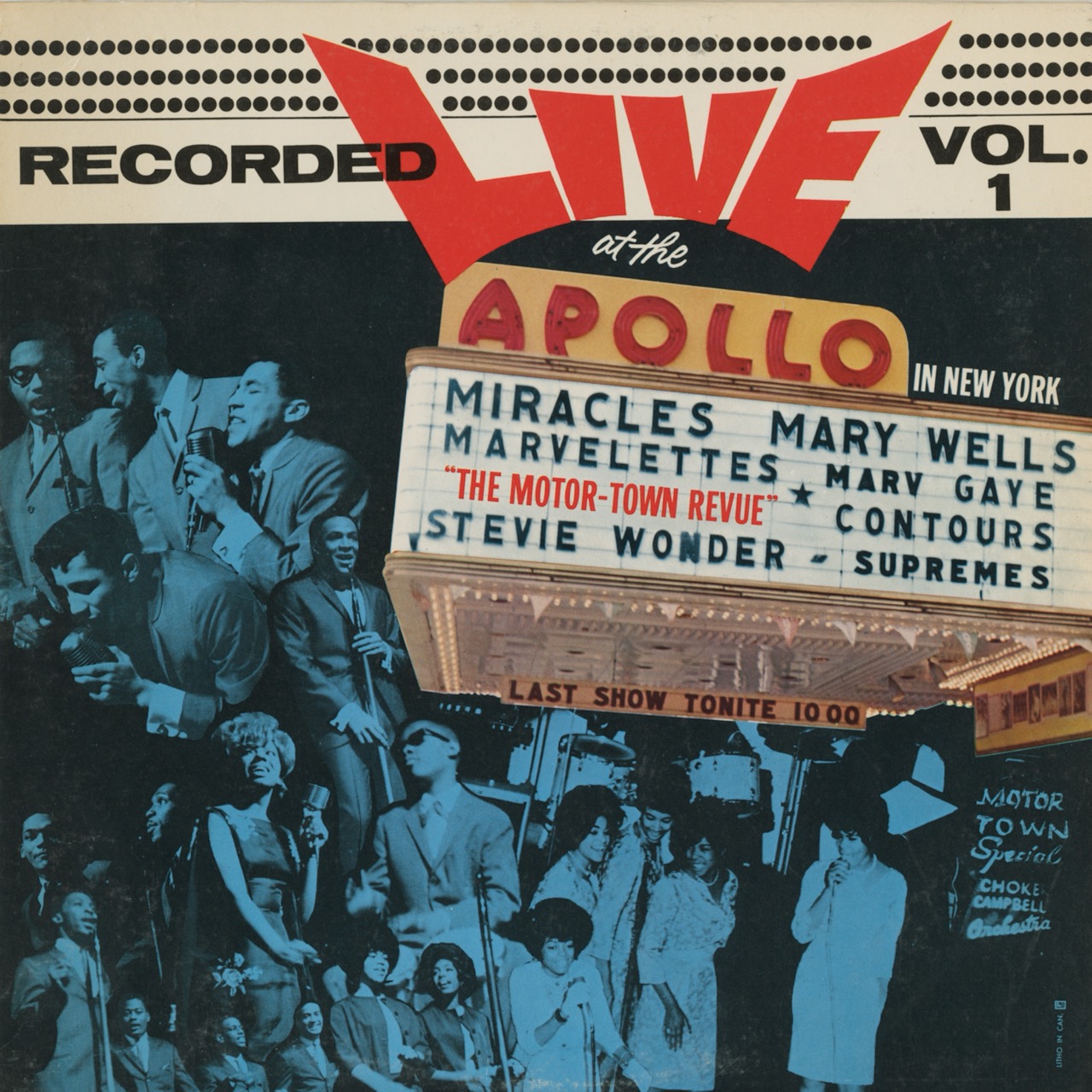
Later revue packages carried the old idea of an all-star travelling bill into rhythm and blues, soul, Motown and funk. The staging, coordinated dress and ensemble showmanship of the Harlem revue remained visible even as the form changed.
Two Montréal characters
Lili St. Cyr and Al Palmer
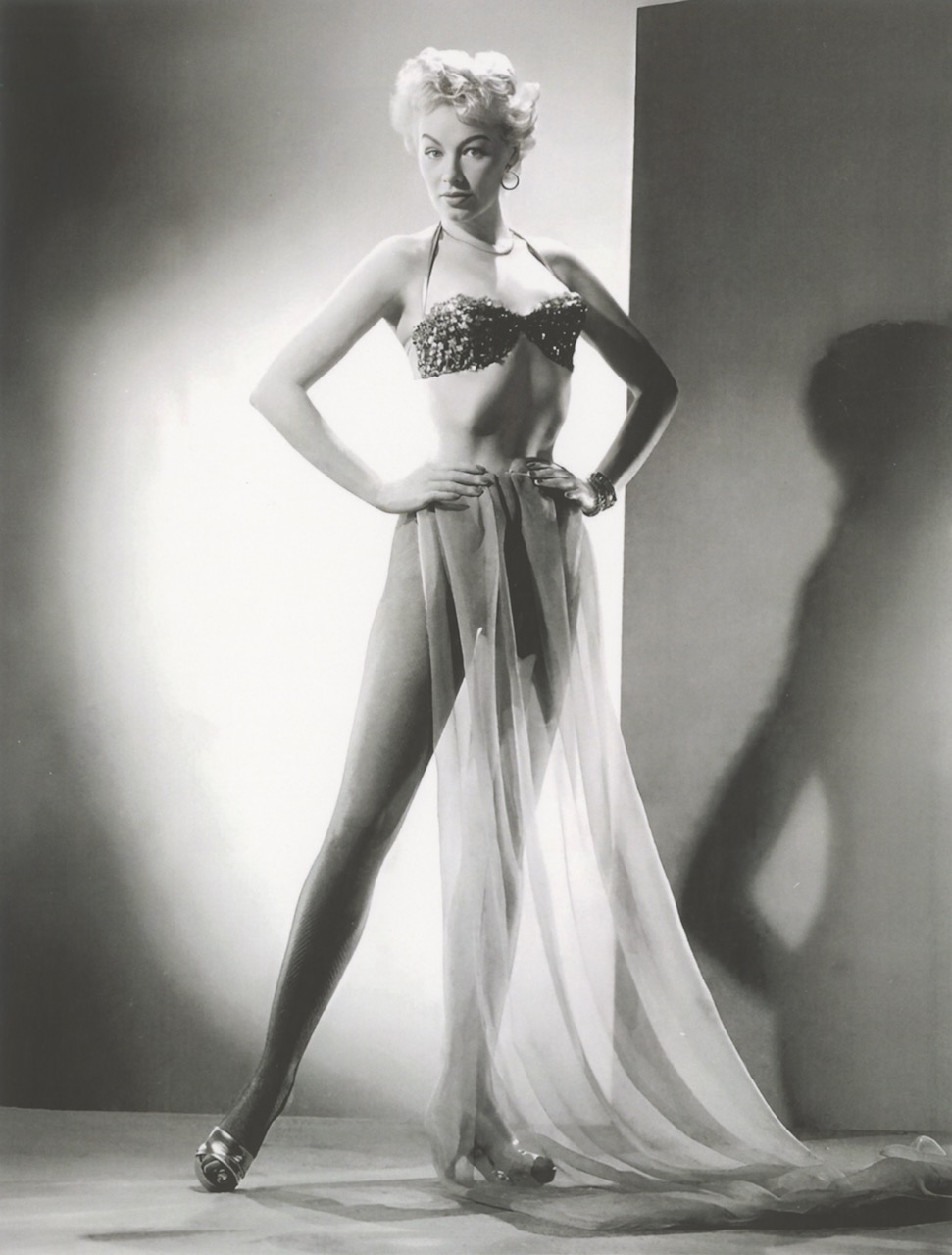
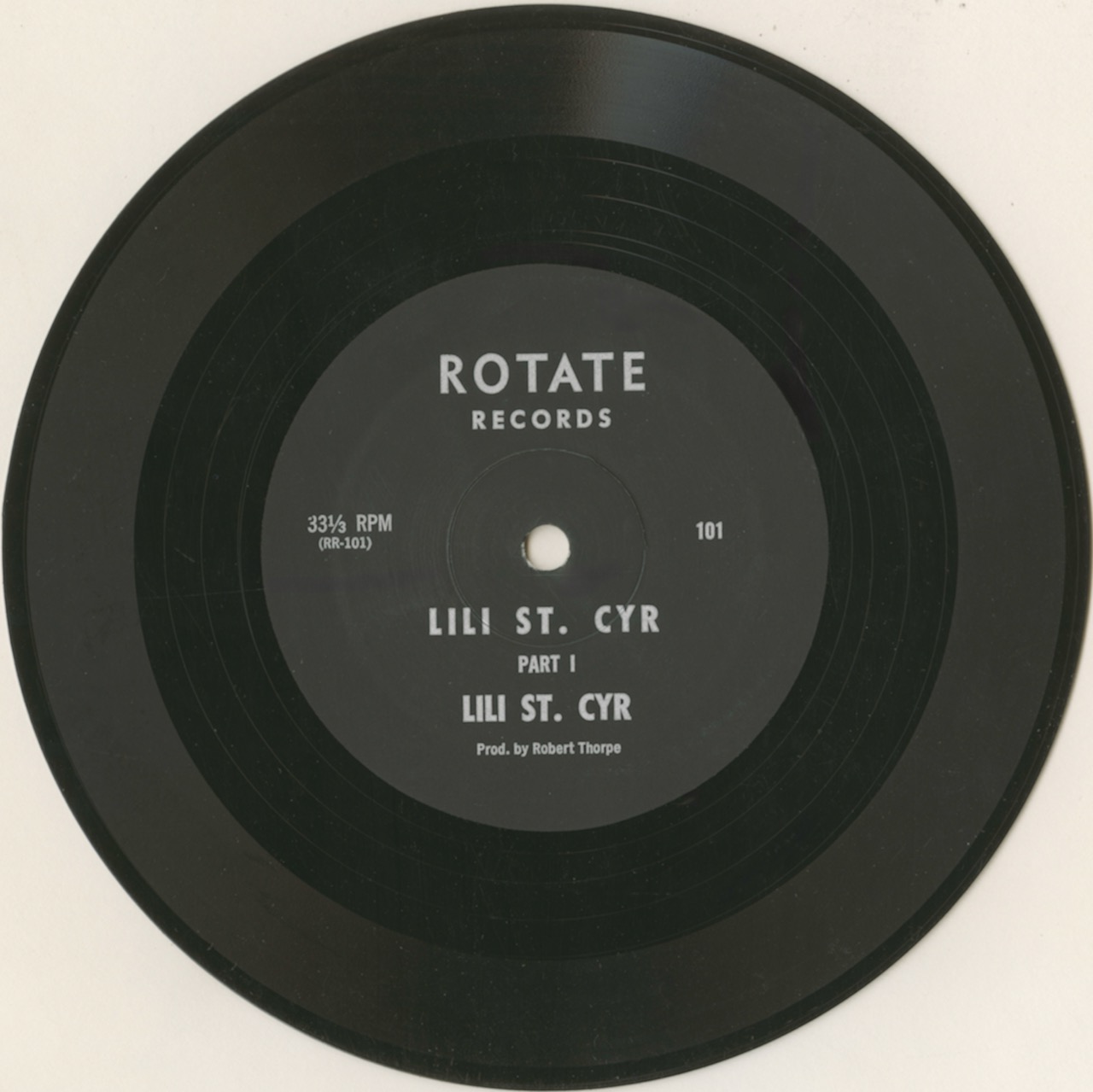
Lili St. Cyr
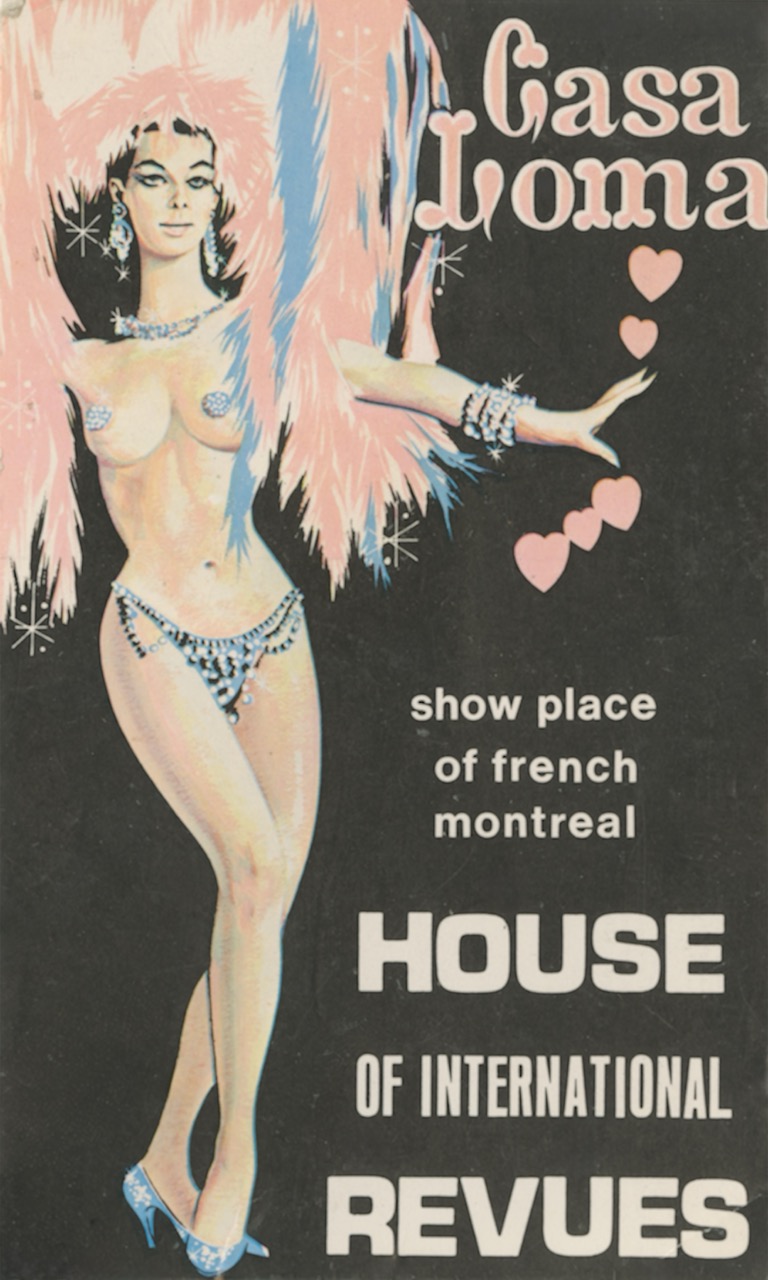
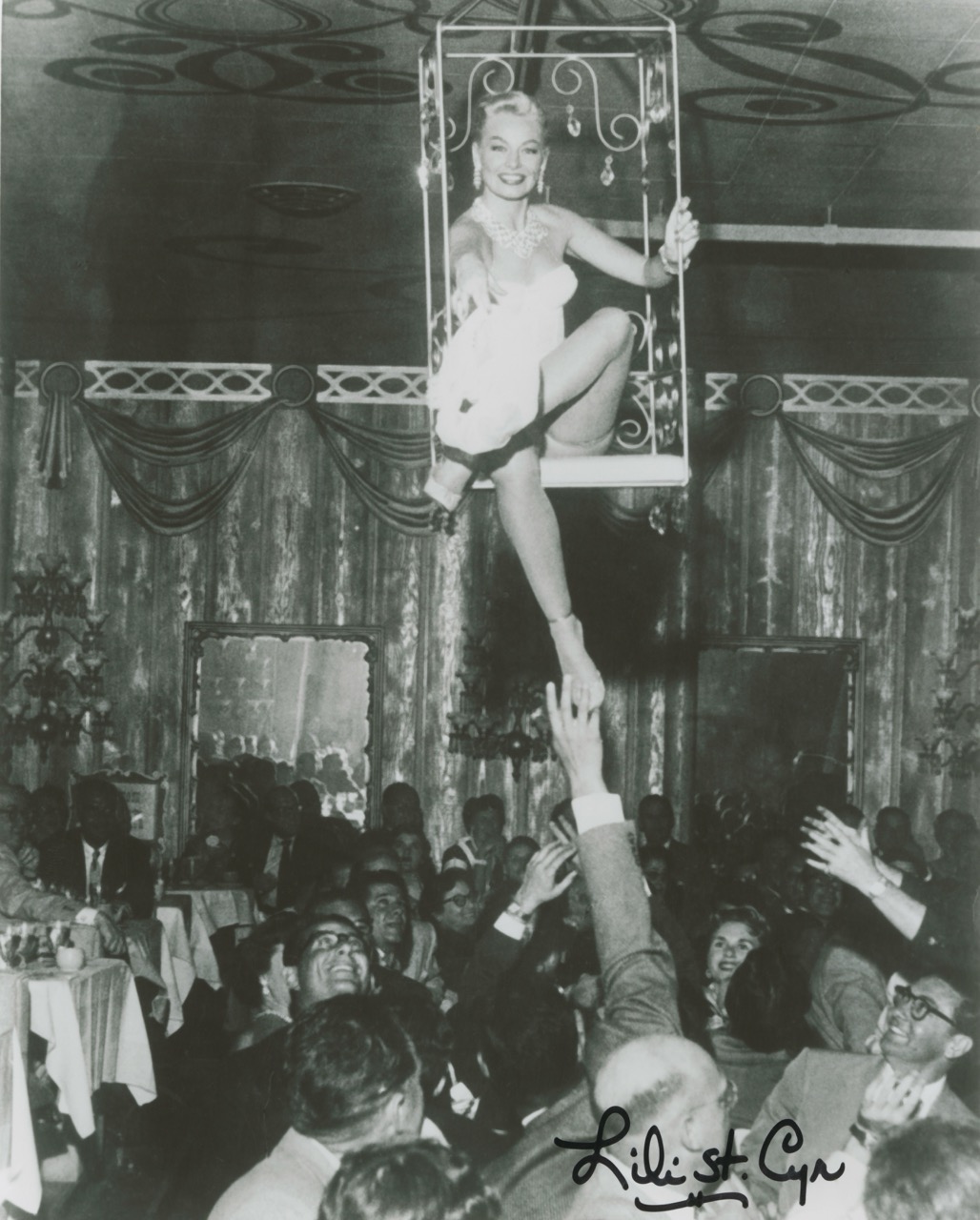
Lili St. Cyr (1917–1999) was the stage name of Marie Frances Van Schaack. Trained in ballet, she joined a chorus line at Hollywood’s Florentine Gardens and soon learned that she could earn more performing sans habille. Her acts incorporated props including bathtubs, vanities and mirrors.
St. Cyr worked at Montréal’s Gayety Theatre from 1944 to 1951. Audiences adored her; clergy and the Public Morality Committee did not. She was charged—and acquitted—of “immoral, obscene and indecent behaviour.” The Gayety closed in 1953 under sustained police attention.
Al Palmer’s Montréal
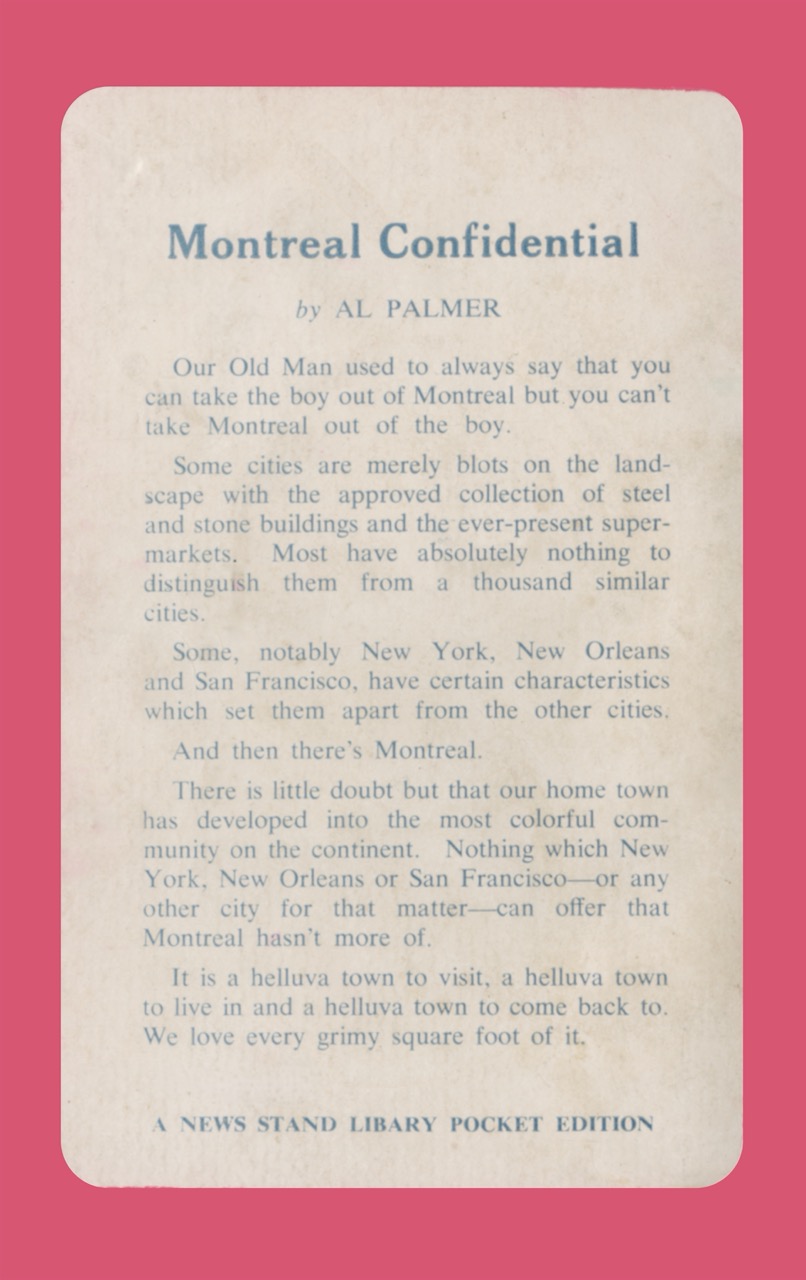
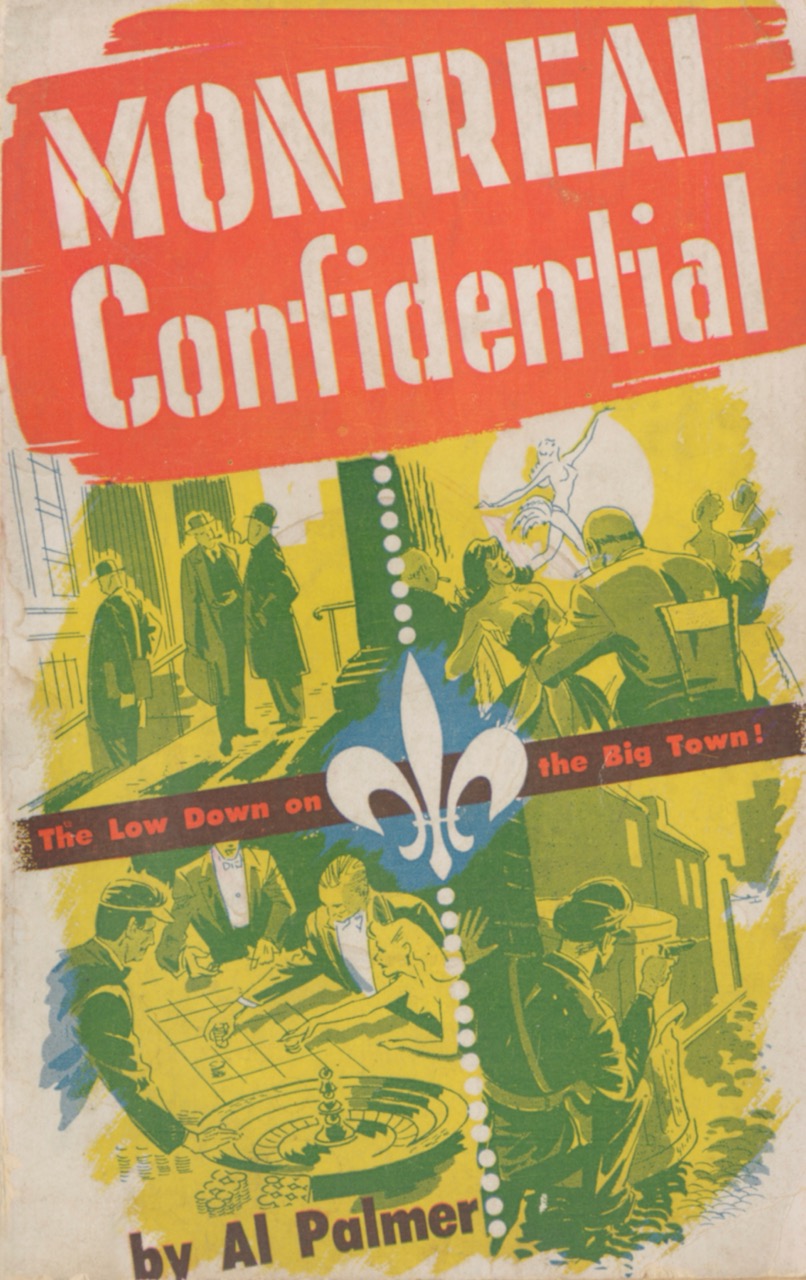
Al Palmer (1913–1971) covered sports and the police beat for the Montreal Herald before writing the columns Man About Town and Cabaret Circuit. At the Gazette, his popular Our Town chronicled Montréal’s colourful nightlife.
His novels Sugar Puss and Montreal Confidential drew on those experiences. Palmer knew St. Cyr and wrote that she “triggers an epidemic of striptococcus several times a year when she performs here.”
From the VinylCentric Gallery and Archive collection.